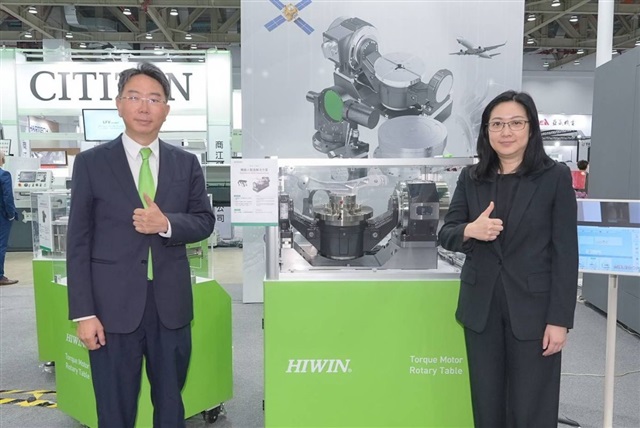
Hiwin Technologies is seeing a noticeable pickup in business, with order momentum coming in stronger than expected as March demand climbed past internal expectations. The update is being read as a positive signal for an industrial rebound, especially as manufacturers and equipment builders ramp up spending despite ongoing geopolitical uncertainty and cost pressure.
A major driver behind the surge is renewed activity tied to semiconductor equipment. As chipmakers and their supply chains continue investing in capacity, precision motion and linear motion components remain in high demand—an area where Hiwin is closely positioned. This semiconductor-linked pull is also overlapping with fast-growing investment in artificial intelligence infrastructure, where data centers, high-performance computing expansion, and related hardware production are pushing more automation and advanced machinery into factories.
Beyond chips and AI, the company is also benefiting from a broader wave of automation upgrades. More manufacturers are investing in robotics and smart factory systems to offset labor constraints, improve throughput, and stabilize production quality. These trends typically translate into stronger demand for motion control solutions across multiple industries, including electronics, machinery, and general industrial applications.
Hiwin’s comments point to a healthier project pipeline as well, with industrial projects contributing to the improved order flow. Taken together, the message is that customers appear more willing to commit to equipment purchases, which can be a meaningful leading indicator for wider manufacturing recovery.
While external headwinds such as geopolitical risks and elevated operating costs remain part of the backdrop, the company’s better-than-expected March orders suggest demand is currently outweighing those concerns. For investors and industry watchers, Hiwin’s momentum underscores a key theme shaping 2026: semiconductor manufacturing expansion, AI-driven infrastructure buildouts, and automation-led factory investment are increasingly reinforcing one another—and helping lift industrial suppliers tied to precision components and robotics.