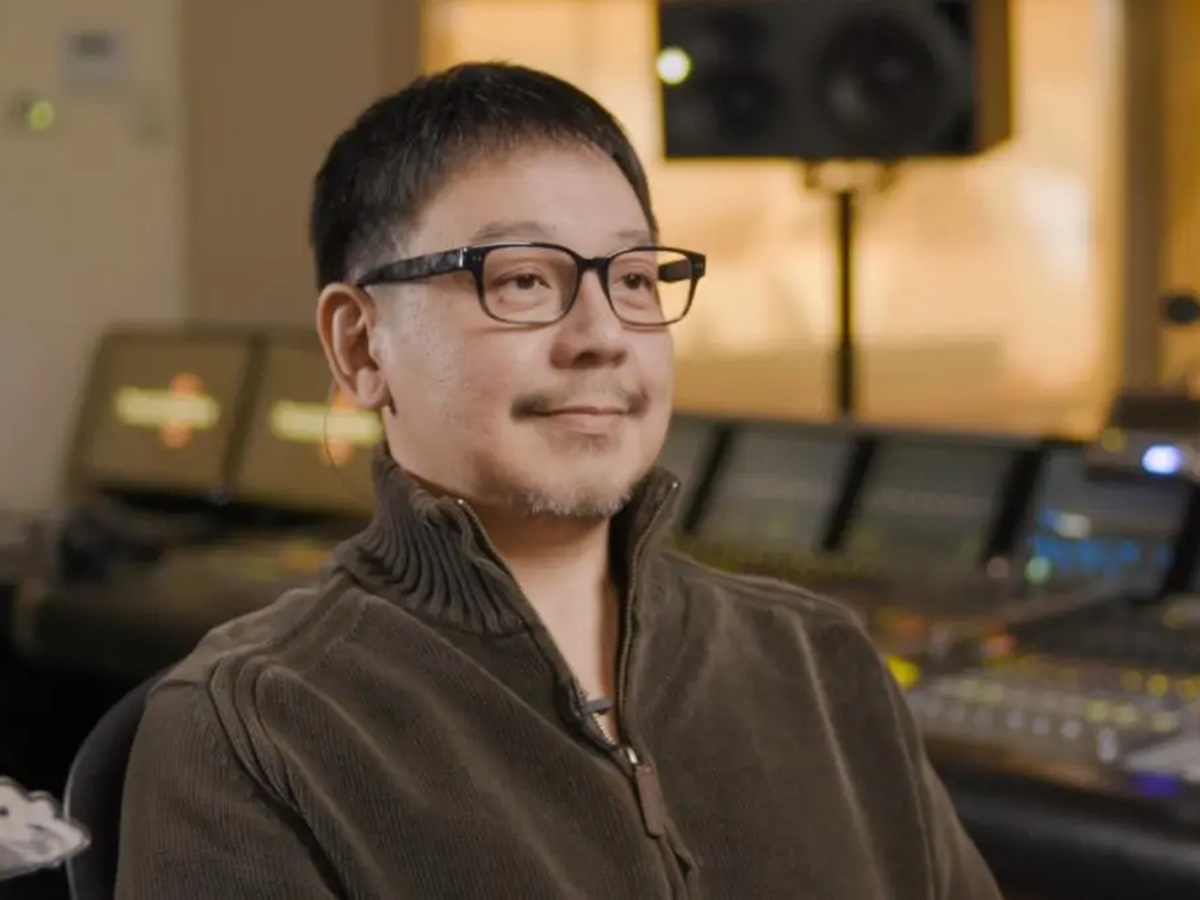
The Colors of Harmony is more than just a concert title. Even though composer Hitoshi Sakimoto didn’t choose the name himself, he says it captures exactly the kind of musical world he’s been building throughout his career. For a composer whose work stretches across tactical RPGs, sweeping fantasy adventures, Vanillaware’s distinctive painterly games, and anime, that phrase lands like a fitting summary: different shades of sound coming together into one signature artistic voice.
At its heart, The Colors of Harmony is designed as a celebration of Sakimoto’s music in a way that’s rarely done in game music performance. Instead of focusing on a single title or series, the concert takes a broader view—an overview of his body of work. That makes it especially exciting for fans who mostly know his Final Fantasy contributions, because it places those beloved tracks side-by-side with music from other standout projects such as Odin Sphere and 13 Sentinels. The goal is to show that even when the style shifts from game to game, the creative spirit behind the music remains unmistakably unified.
Organizers Mat and Marta explain that this kind of “cross-sectional” program is unusual. Game music concerts often stay within one franchise, but this event is built around the composer himself as the connecting thread. For longtime followers who already know Sakimoto’s full catalogue, the experience is meant to feel like a rich, carefully prepared feast—an evening that acknowledges the full range of what he’s created. For those attending primarily for the substantial Final Fantasy segment, the concert is positioned as an invitation to discover a side of Sakimoto’s artistry they may have never explored before.
Of course, bringing a concert like this to life takes far more than selecting a playlist and putting an orchestra on stage. Marta Pawlak, whose work centers on venues and the practical reality of producing these events, describes an intense behind-the-scenes process that audiences rarely get to see. The first step is pitching the festival’s vision clearly—not just to the composer, but also to the game developers involved—so everyone understands the concept and believes in the final result. From there, the project moves through formal approvals and unavoidable bureaucracy before the real creative build begins.
A major challenge is turning sprawling game soundtracks—often made up of hours and hours of music—into a tightly paced concert lasting around 60 to 90 minutes. That requires experienced orchestrators to create arrangements that work for a live stage and feel dramatic, coherent, and emotionally engaging from start to finish. While the artistic side is taking shape, the logistics machine is running in parallel: securing the date, coordinating travel and accommodation for the composer and team, and planning around risks that could disrupt the artist’s ability to arrive and perform.
What the audience doesn’t witness is the sheer volume of coordination required to make it all happen: months of preparation, endless email threads, scheduling adjustments, meetings with the composer and rights holders, and the constant need to solve last-minute problems as they arise. And yet, Marta points out that the most important final ingredient can’t be found in any checklist—creating an atmosphere where everyone on stage feels comfortable enough to do their best work. In her words, when artists are able to collaborate freely, something truly magical can happen.
In the end, The Colors of Harmony is built to do two things at once: honor the legacy of a major game composer, and give audiences a fresh way to hear how a single creator’s musical identity can stretch across very different worlds—while still sounding unmistakably like the same master at work.


