How a teen’s obsession with speed turned ZSNES into a 90s emulation legend
If you were a PC gamer in the 90s, chances are you dipped a toe into emulation to relive classic console games. Back then, two names loomed large: Nesticle for NES, and a little later, ZSNES for the Super Nintendo. ZSNES wasn’t just another emulator—it was fast, smooth, and felt almost magical on the modest hardware of the era. It quickly became the go-to choice for players wanting 16-bit classics to run at full speed with sound, something earlier tools struggled to deliver.
Much of ZSNES’s story is tied to the early web, when emulators were shared on public sites and the community felt small, passionate, and tight-knit. One of those hubs was Zophar’s Domain. In a recent conversation, Zophar sat down with the emulator’s co-creator, known as zsKnight, to revisit how it all started—and how a teenage side project snowballed into a career in the games industry.
The spark was simple: speed. “When I was 16 years old, I started learning assembly, and I got so fascinated with optimization, making everything as fast as possible,” he recalled. At the time, the best Super Nintendo emulator he could find ran at about 10 frames per second and had no sound. He figured he could do better.
So he went all-in. “I started coding everything in pure assembly—until the Windows port, there was not a single line of C code in there. It’s optimized to the brim.” His initial goal was modest—achieve full-speed SNES emulation on his own PC. He didn’t expect to hit that mark, let alone build one of the most widely used emulators of its era. But word spread quickly.
Even as ZSNES’s popularity exploded, its creator didn’t grasp the scale at first. He’d receive a couple dozen thank-you emails per day, enough to know the project mattered to people, but not enough to convey how huge it had become. The reality only hit when a recruiter reached out from a major publisher with a simple pitch: want to work here? During interviews, everyone already knew him as “zsKnight.” One colleague even admitted his own career path was inspired by ZSNES. It was the first time the developer truly saw the impact his work had on players and programmers alike.
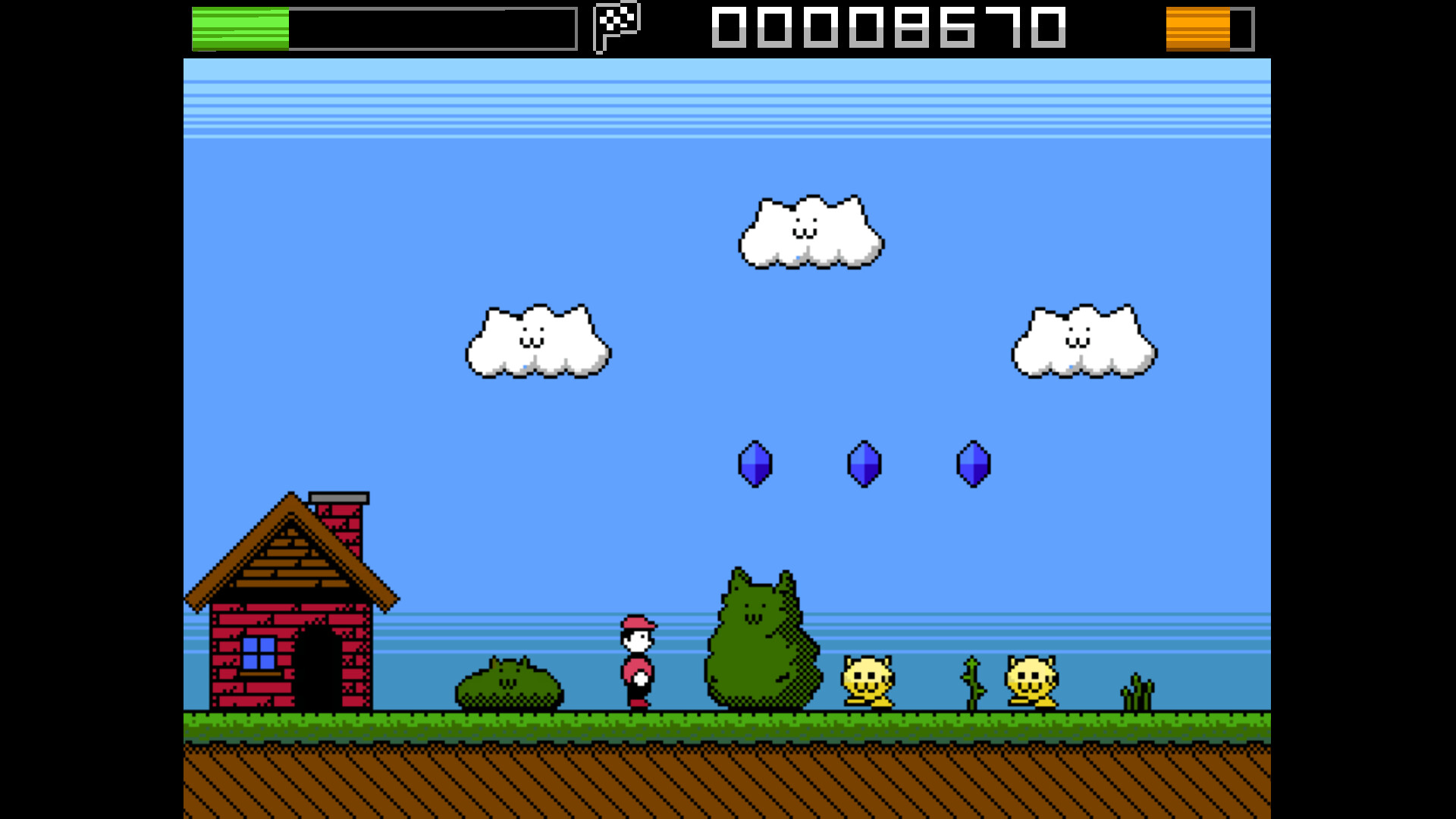
That spirit of tinkering never faded. After time in big studios, zsKnight turned to indie development with Retro Endurance 8-bit, a collection of 48 retro-style games designed for local multiplayer and multiple modes. It’s currently in early access at an accessible price point, channeling the same love of classic gameplay that fueled ZSNES’s creation in the first place.
ZSNES’s legacy isn’t just technical—it’s cultural. It represents a moment when the internet felt like a frontier, when ambitious teenagers could crack open complex systems, write blisteringly fast code in assembly, and give the community something that felt impossible a year prior. Sites like Zophar’s Domain helped knit that community together, preserving and sharing tools that kept beloved 8- and 16-bit experiences alive on modern machines.
For many, ZSNES was more than software. It was an entry point into retro gaming, a lesson in how far careful optimization can go, and a bridge to careers in development. And for its creator, it was proof that passion projects can ripple outward—sometimes all the way to a job offer, a studio floor full of admirers, and a new generation of fans chasing that same thrill of making old games run fast and flawlessly.
If you remember firing up ZSNES on a beige box PC, that feeling of seeing a Super Nintendo classic spring to life wasn’t just nostalgia—it was a glimpse of what determined, clever engineering can achieve. That’s the story of ZSNES: a landmark of the emulation scene, born from a teenager’s drive to make things run better, and still inspiring creators decades later.