Apple made a big statement in 2024 when it introduced Private Cloud Compute, positioning privacy as the cornerstone of its broader AI vision. The promise was simple and compelling: Apple Intelligence would handle everyday AI tasks on your device, while heavier requests would be processed in Apple’s private cloud using encrypted, stateless data designed to minimize what’s exposed and what can be retained. For many iPhone users, that privacy-first approach wasn’t just marketing—it was the key reason Apple’s AI strategy felt meaningfully different.
Now that message is getting harder to square with what’s being suggested about Apple’s next steps.
Apple is preparing a major Siri upgrade expected to arrive with iOS 26.4, aimed at finally delivering capabilities that have been long discussed, including in-app actions, personal context awareness, and on-screen awareness. In practice, this would make Siri far more agentic—able to take actions across apps based on what you’re doing, what’s on your screen, and what it knows about your preferences and habits.
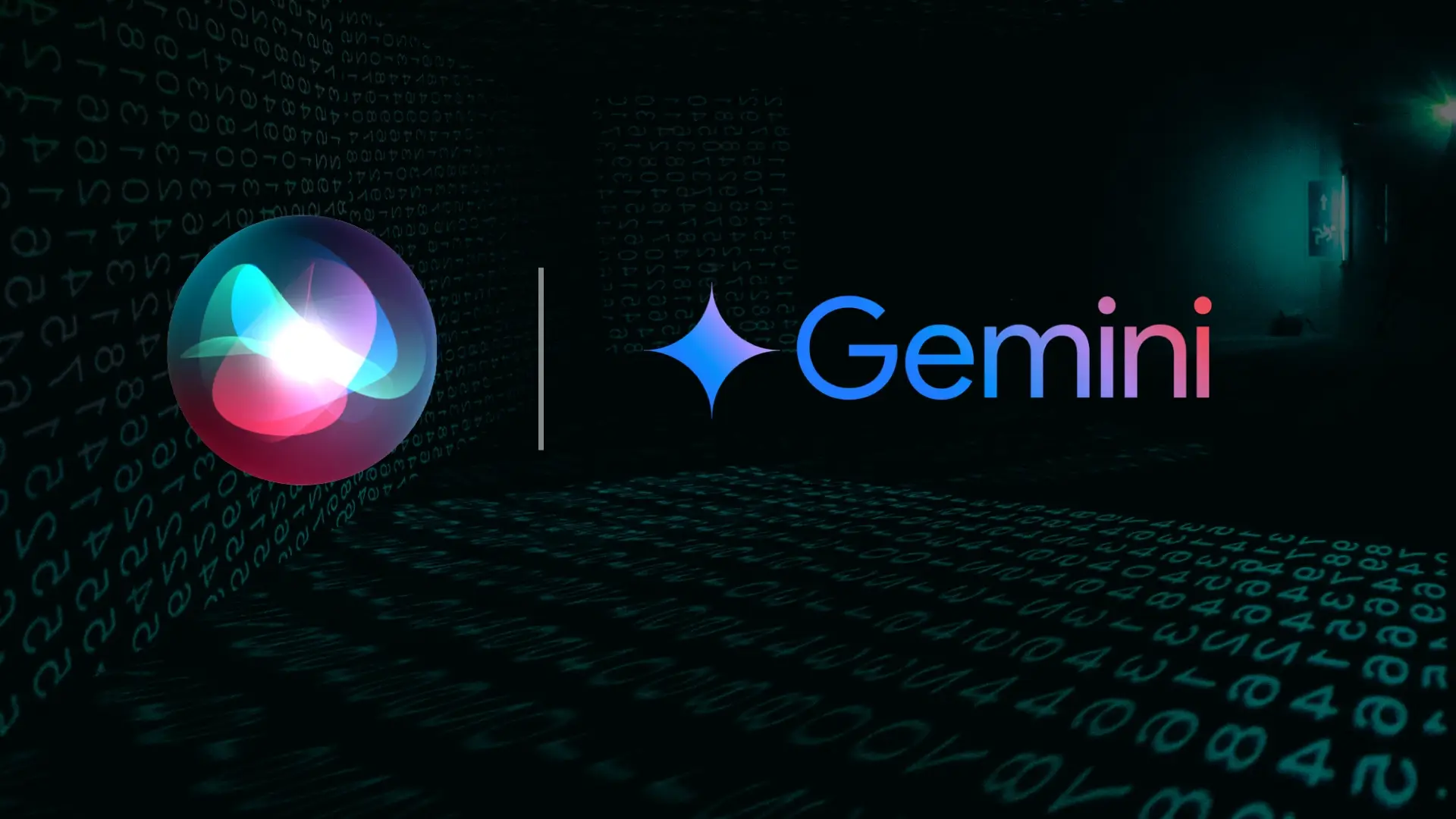
To support these more advanced features, Apple has reportedly planned to run a massive custom AI model in the cloud—described as a 1.2-trillion-parameter Gemini-based model—so that simple tasks can remain on-device, while complex requests get securely offloaded for more powerful processing. That hybrid approach is exactly where Private Cloud Compute is supposed to shine, because it allows cloud-scale intelligence without sacrificing Apple’s privacy posture.
But the conversation around Siri’s future is shifting, and the shift matters.
Recent reporting has suggested Apple is developing a dedicated Siri chatbot that would run on Google’s TPU hardware and cloud infrastructure—potentially using capacity Apple leases rather than running entirely on Apple-owned servers. If accurate, the plan is for this upgraded Siri experience to be built directly into iOS 27 instead of launching as a separate app, making it a core part of how users search, create, and get things done on iPhone.
The rumored capabilities read like a full modern AI assistant: web searching, content generation (including images), coding help, summarization and analysis, plus the ability to upload files. It would also reportedly use personal data to complete tasks, offer significantly improved search, and even interpret open windows and on-screen content—then adjust device settings and features accordingly. In other words, Siri would become the center of Apple’s next-generation AI experience, not just a voice layer on top of it.
That’s where the privacy concerns intensify. The more Siri becomes a gateway to personal context and on-screen understanding, the more important it is where that processing happens—and whose infrastructure is involved.
Those concerns grew louder after comments tied to Google’s latest earnings call, which hinted that Google has become Apple’s “preferred cloud provider.” That phrase is doing a lot of work. It suggests a deeper relationship than simply supporting traditional cloud needs, and it naturally raises questions about how much of Apple’s AI workload might depend on external infrastructure moving forward.
One possible explanation is that Apple may be drawing a bright line between Apple Intelligence features and Siri specifically—keeping Apple’s Private Cloud Compute at the heart of non-Siri AI tasks, while relying on Google’s cloud for Siri-related inference. That framing would attempt to preserve Apple’s privacy narrative while still tapping into the performance and scalability benefits of a third-party cloud platform.
Still, there’s an obvious tension here. If Siri becomes the primary interface for advanced AI on iPhone with iOS 27, and if more of Siri’s intelligence is powered through another company’s cloud stack, then Private Cloud Compute risks becoming less central than Apple originally implied. And for users who bought into Apple’s “privacy-first AI” pitch, that could feel like a pivot away from the very differentiator Apple has been emphasizing since day one.
For now, a lot remains unconfirmed, including the exact split between on-device processing, Apple’s private cloud, and any third-party cloud role. But the direction of travel is becoming clearer: Siri’s next evolution appears to require enormous compute, and the industry’s cloud power players are pushing to be the ones providing it. The key question for iPhone users is whether Apple can keep its privacy commitments intact as its AI ambitions grow—and as more of that intelligence potentially runs beyond Apple’s own walls.