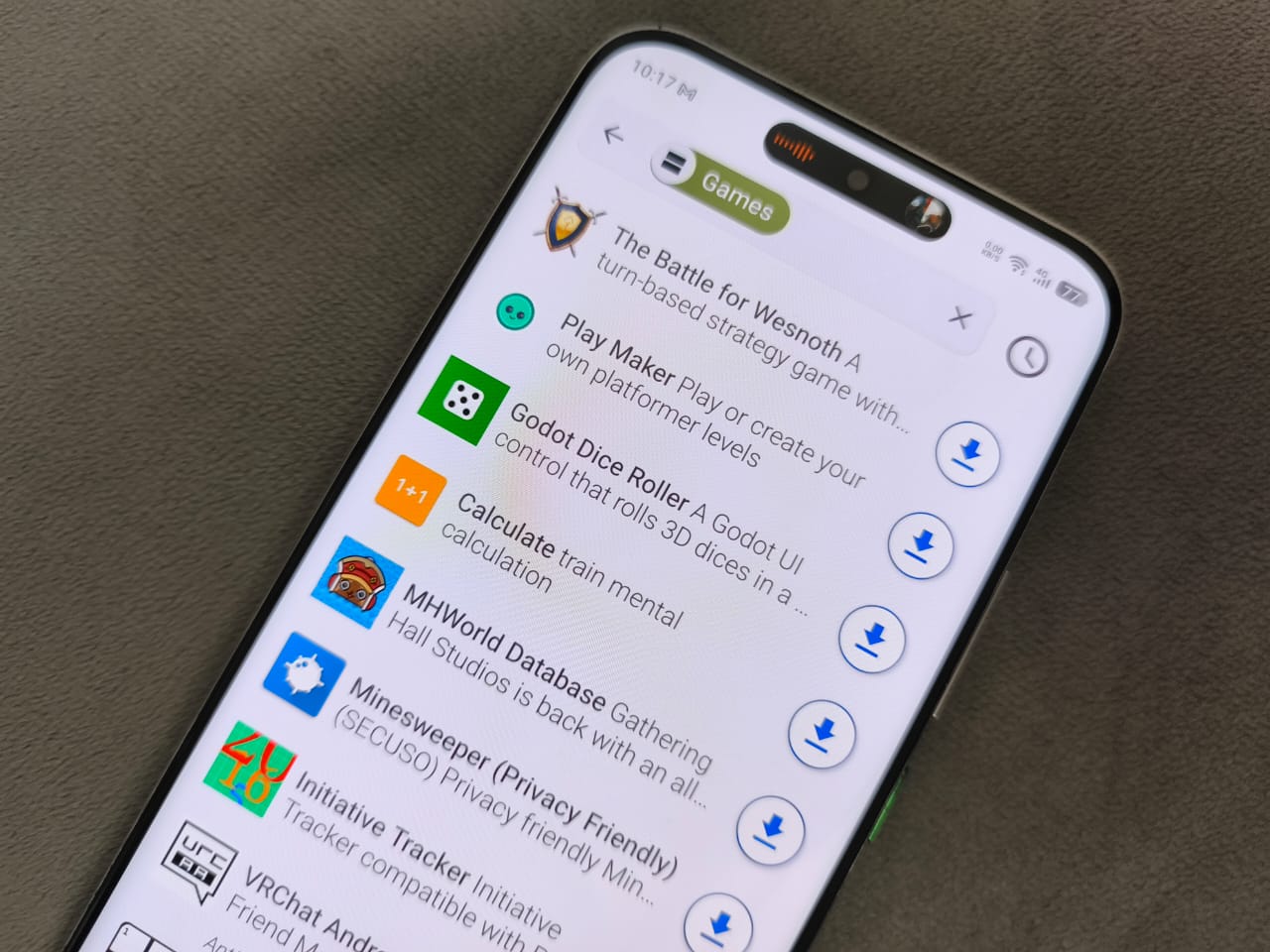
Android’s biggest advantage has always been choice: you can install apps from the Play Store, load APKs from a website, or use alternative app stores like the open-source F-Droid. That flexibility is now in jeopardy. Google is preparing new developer registration rules that, if implemented as described, could make sideloading far more difficult and potentially squeeze independent app stores out of the Android ecosystem.
What’s reportedly changing is the identity layer behind every Android app. Under the proposal, each app would have to be tied to a verified developer identity. Developers would submit government identification, plus app identifiers and signing keys, directly to Google. In effect, Google would become the central authority for app identities across Android—not only for the Play Store, but for any app installed on a device.
F-Droid, which has served the Android community for more than a decade as a free and open-source app repository, warns this shift could end its project in its current form. Its concern is simple: if Google controls the developer verification process, independent stores that don’t rely on the Play Store’s gatekeeping will be forced into a system they don’t control, or locked out entirely. That would be a fundamental change to how Android software is distributed.
Google frames the move as a necessary push to improve security and curb malware. Identity verification can, in theory, limit impersonation, fraud, and malicious uploads. But critics argue the trade-offs are steep, and the security case isn’t clear-cut. The Play Store has repeatedly seen malicious apps slip through despite existing checks. Android already includes Play Protect, which scans and removes harmful software at the system level. Meanwhile, open-source ecosystems like F-Droid lean on transparency—community review of source code, reproducible builds, and decentralized trust—to surface issues quickly.
The bigger worry is what happens when a single company becomes the gatekeeper for who can publish an app and under what conditions. Many developers—especially hobbyists, students, and small open-source contributors—may be uncomfortable handing over government IDs or complying with corporate-style verification. That friction could discourage experimentation and reduce the number of apps available outside the Play Store. Privacy-focused tools and niche utilities might disappear. Even established developers could find themselves vulnerable: if a registration is revoked, distribution could be cut off overnight, regardless of an app’s quality or user demand.
There are regulatory storm clouds on the horizon too. In the European Union, the Digital Markets Act requires that users be able to install apps from alternative sources without undue interference. If the proposed identity system is deemed to make sideloading practically unworkable, it could attract scrutiny and legal challenges. In the United States, where app store practices are already under antitrust review, tighter control over developer identities will likely be seen as another step toward consolidating power over Android distribution.
For users, the stakes are real. Sideloading enables access to apps not offered on the Play Store, older versions of software, region-restricted tools, and privacy-first alternatives. It also gives device owners the freedom to choose where their software comes from. Narrowing those options would make Android feel more like a closed platform—something many of its fans have resisted from the beginning.
For developers, the message is to watch closely. If these rules move forward, expect new friction in release pipelines, potential changes to how signing keys are handled, and higher barriers to entry for independent projects. Teams that rely on alternative distribution channels should prepare contingency plans and consider how to communicate changes to users.
The best path forward would balance stronger identity checks with genuine user choice. Security and openness don’t have to be mutually exclusive. Clear exceptions for open-source repositories, transparent appeals processes, and a way to verify identity without centralizing control over distribution would go a long way toward preserving what makes Android unique.
Until the details are finalized, the community voice matters. Users, developers, and digital rights advocates will be pushing for a solution that protects people from malicious apps without shutting the door on alternative stores, sideloading, and the vibrant open-source ecosystem that has helped Android thrive.