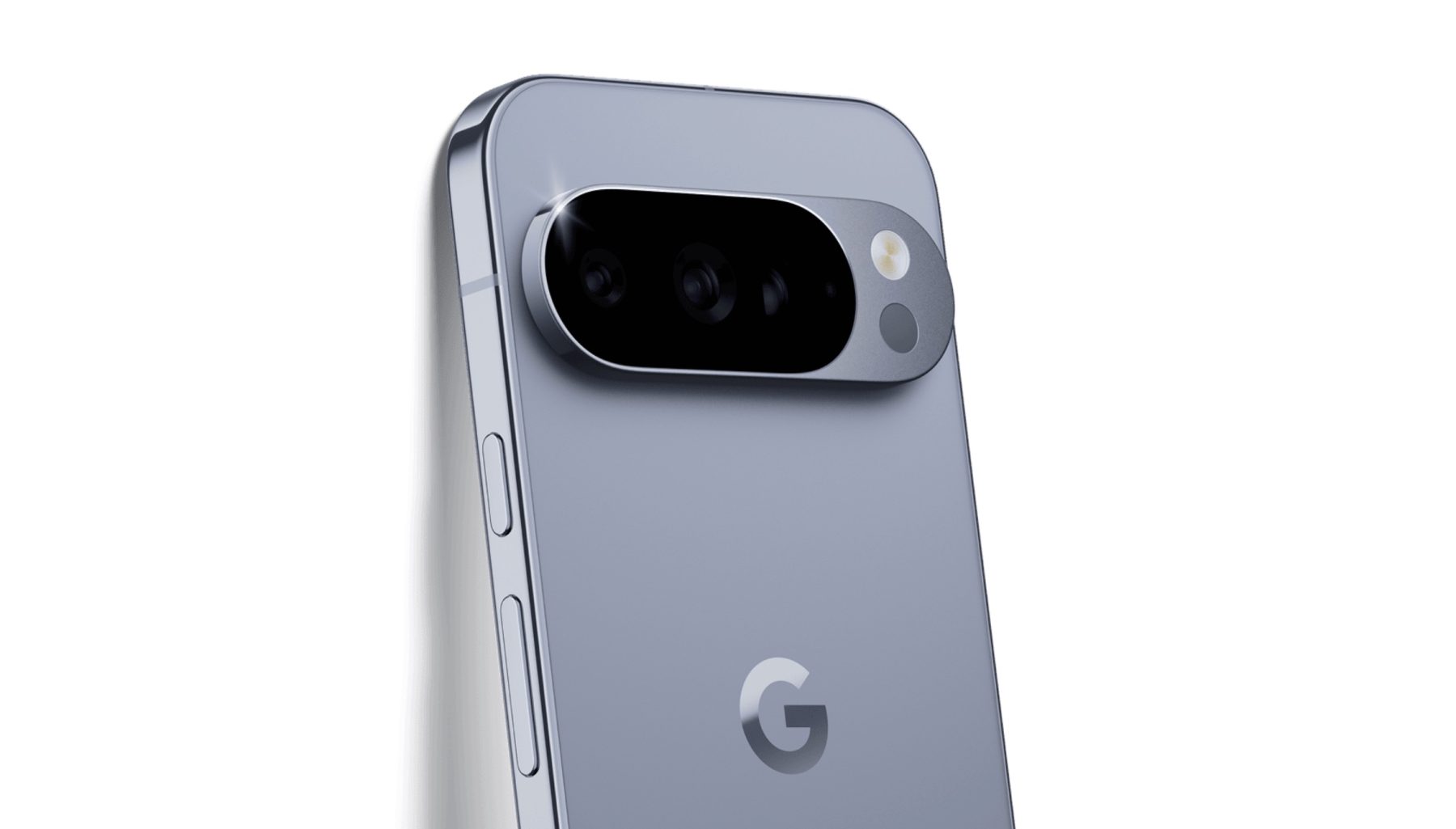
Google’s latest flagship was built to showcase the best of its hardware and AI, but a real-world gaming test is telling a different story. A video circulating on X shows the Pixel 10 Pro XL struggling mightily with Genshin Impact, with constant stutter, severe frame drops, screen flickering, and noticeable input lag. The result is a game that’s barely playable, and at times unresponsive, on a phone that costs well over a thousand dollars.
The footage highlights moments where basic movement becomes impossible because the frame pacing is so erratic. In a few scenes, touch input appears to go unregistered altogether. What might look like a faulty display at first glance is more likely the device failing to generate frames consistently—so much so that even system UI elements, like the notification shade, visibly judder and flicker when the game is running.
At the center of the controversy is the Tensor G5 chip. Co-developed with TSMC, Google’s silicon leans heavily into AI and computational photography rather than raw CPU and GPU horsepower. That approach works for everyday tasks—snappy photos, faster voice processing, and slick real-time translation—but when a demanding title like Genshin Impact pushes the GPU hard, thermal limits and sustained performance become a problem fast. In the clip, the Pixel 10 Pro XL appears to throttle within minutes, leading to a sharp collapse in frame rate and responsiveness.
Comparisons with rival chipsets make the situation look worse for gamers. Devices powered by Apple’s A19 Pro or Qualcomm’s Snapdragon 8 Gen 4 tend to deliver higher, more stable frame rates and better thermal behavior during extended play. Some early reports even suggest the Tensor G5’s GPU performance can trail last year’s Tensor G4 in certain scenarios. More embarrassingly, the day-to-day gaming experience here is said to sit behind older hardware like the iPhone 12 Pro Max, which can still handle long sessions without devolving into a slideshow.
That’s not to say the Pixel 10 Pro XL is a poor phone overall. In AI-centric experiences—photo enhancement, voice features, transcription, and live translation—it remains one of the most capable smartphones you can buy. The issue is balance. A flagship at this price point is expected to deliver across the board, and mobile gaming is a key part of that equation for many buyers.
If you already own the device and are determined to play, a few workarounds may help:
– Drop the game’s graphics settings and cap the frame rate to reduce thermal load.
– Close background apps and enable any available performance or gaming modes.
– Keep the phone cool and up to date; future firmware, GPU driver updates, or game patches could improve stability.
Still, no amount of tweaking can fully offset a silicon-level shortfall. That leaves a bigger question hanging over Google’s strategy: should the next Tensor pivot toward more raw CPU/GPU performance, or continue doubling down on AI features and camera smarts? For gamers and power users, the answer seems clear. For everyone else, the Pixel’s AI-first approach may still be compelling—just be aware of its limits when the action heats up.