Google’s TPU Business Could Reach $252 Billion in Sales Through a New AI Chip Strategy
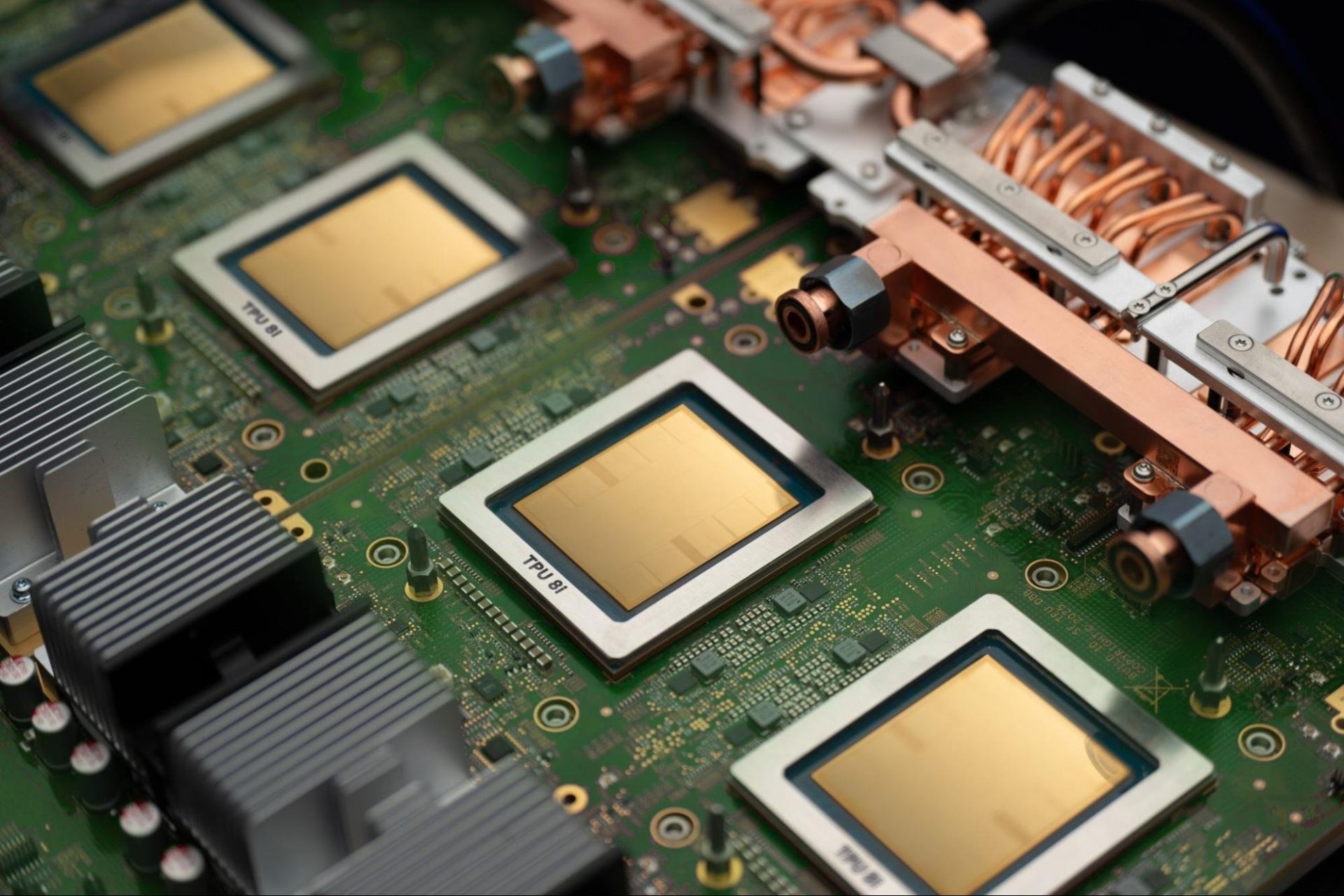
Google’s custom AI chip business could become far larger if the company changes how it brings its tensor processing units, or TPUs, to market. According to estimates from Barclays, Google may be able to generate up to $252.7 billion in TPU sales by 2028 if it shifts from mainly offering the chips through Google Cloud to a broader off-platform merchant model.
Google TPUs are already among the most established custom AI processors in the industry. While Nvidia dominates the AI accelerator market by selling GPUs to cloud providers and data center operators, Google has taken a different path. The company has largely kept its TPUs tied to Google Cloud, offering AI computing power to customers through its own cloud platform rather than selling the chips more broadly.
That model has helped Google Cloud grow rapidly. In the second quarter, Google’s cloud revenue increased 82% year over year to $24.8 billion, reflecting strong demand for AI infrastructure, cloud computing, and enterprise AI services.
Google was also early to the AI chip race. The company began using its in-house TPUs in 2015, years before generative AI became a mainstream business priority. It later opened TPU access to external customers in 2018, giving developers and enterprises another option for machine learning workloads beyond traditional GPUs.
Now, Barclays believes Google has an opportunity to scale the TPU business more aggressively by moving beyond the Google Cloud-only structure. Under the proposed off-platform merchant model, Google would work with major partners, including Blackstone, Apollo Global, and Broadcom, to expand TPU capacity and offer AI compute services through joint ventures.
The core idea is simple: instead of limiting TPU access mostly to Google Cloud rentals, Google could help create large-scale AI infrastructure platforms that deploy TPUs externally. These platforms could sell compute capacity to companies that need powerful AI processing but do not want to build their own data centers or rely only on GPU-based infrastructure.
Barclays estimates that this strategy could allow Google to operate around 11.5 gigawatts of TPU capacity by 2028. If that level of deployment is reached, TPU-related sales could climb to roughly $252.7 billion.
A key part of this strategy is Google’s expected collaboration with infrastructure and investment partners. Blackstone announced a deal in May involving TPUs for compute-as-a-service, a model where customers buy access to AI computing power rather than owning the hardware directly.
Apollo Global and Blackstone also led a $35 billion AI infrastructure funding platform with Broadcom in June. The goal is to support large-scale deployment of Google TPUs and expand AI computing capacity. Broadcom is an important player in this area because of its experience in custom chip design and AI hardware partnerships.
Barclays estimates that this infrastructure arrangement could add about $20 billion to Google’s revenue by the end of the year. By 2027, the contribution could rise to $67 billion as deployed TPU capacity reaches approximately 3.2 gigawatts.
The revenue opportunity is significant, but the profit picture may be more complicated. An off-platform TPU model would require massive spending on data centers, power, cooling, networking, and partner infrastructure. Revenue would also likely be shared across joint venture participants. That means Google could see enormous sales growth from TPUs without necessarily capturing the same level of profit margin it enjoys from some software-driven cloud services.
Still, the potential shift highlights how important custom AI chips have become. Demand for AI training and inference continues to rise as companies build large language models, enterprise AI tools, recommendation systems, robotics platforms, and advanced analytics services. The market needs more compute capacity, and Google’s TPUs could become a major alternative to Nvidia GPUs if deployed at larger scale.
The timing also matters. As AI workloads become more expensive, cloud customers are looking for efficient hardware that can deliver strong performance at lower cost. Google has spent years optimizing TPUs for machine learning, and broader availability could make them more attractive to enterprises that want reliable AI infrastructure without relying entirely on GPU supply.
If Barclays’ projections prove accurate, Google’s TPU business could evolve from a key internal cloud advantage into one of the largest AI hardware revenue streams in the world. The company already has the technology, the cloud expertise, and the AI ecosystem. With the support of major infrastructure partners, it may now have a path to scale TPUs far beyond Google Cloud.
For Google, the opportunity is not just about selling more AI compute. It is about reshaping the competitive landscape for AI chips, cloud infrastructure, and compute-as-a-service platforms. By 2028, TPUs could become a central pillar of Google’s AI business, potentially generating hundreds of billions of dollars in sales while giving the company a stronger position in the global race for artificial intelligence infrastructure.


