Google and the Matter smart home standard are stepping on the accelerator with new features and fresh devices, while Apple’s next moves in smart home still look like a waiting game. That contrast is becoming one of the biggest storylines in the connected home market as buyers look for smart home products that are secure, easy to set up, and reliable across brands.
Apple recently held a major launch event without introducing any new smart home products, which surprised many industry watchers who expected at least one home-focused announcement. Even so, Apple isn’t walking away from the category. The newest generation of iPhones is still expected to support Thread, a key smart home networking technology designed to improve speed, reliability, and low-power connectivity between devices. Keeping Thread support in the iPhone lineup signals that Apple still sees smart home as important, even if new Apple-branded home hardware isn’t ready yet.
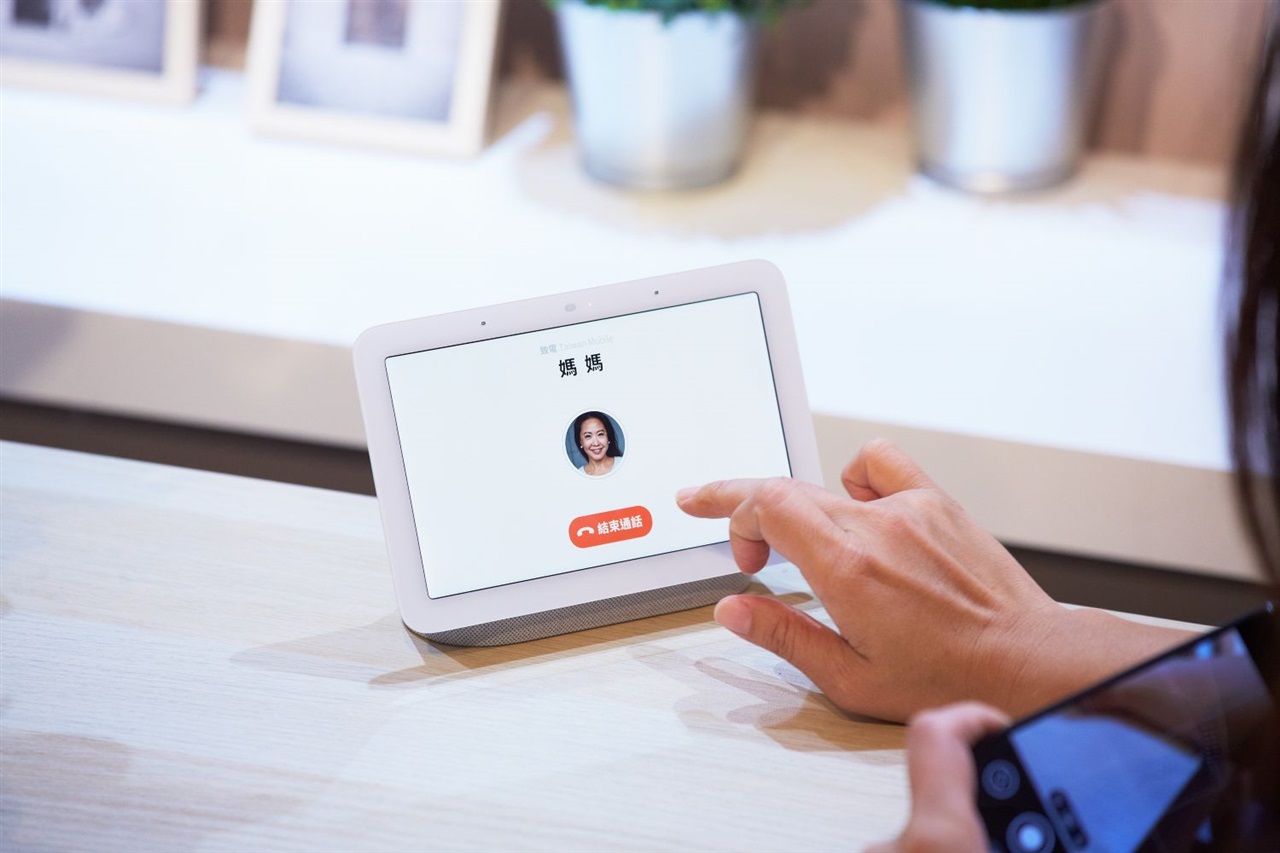
While Apple is staying quiet on smart home hardware, Google is moving in the opposite direction. In October, Google introduced Gemini for Home and also released three new smart home hardware products. The message is clear: Google wants to lead the conversation around AI-powered home control and practical connected devices that work together in everyday routines like lighting, security, and appliance control.
At the same time, the Matter standard continues to evolve, and the newly released Matter 1.4.2 update adds improvements that address some of the biggest pain points for smart home shoppers. The update includes support for a Wi-Fi-only mode, which can simplify deployment for certain households and devices. It also strengthens security and improves cross-device interoperability, reinforcing Matter’s core promise: devices from different brands should work together smoothly, with fewer compatibility headaches.
The industry had widely predicted Apple would reveal smart home products at its September 2025 event, but that didn’t happen. One major factor could be development timelines tied to Apple’s generative AI plans for Siri. If the next era of Siri is central to Apple’s smart home strategy, Apple may be choosing to wait until the software experience is ready rather than releasing hardware that doesn’t fully deliver on the long-term vision.
As a result, Apple’s broader smart home lineup may not arrive until 2026 or even 2027. If Apple launches any smart home product in 2025, the most likely candidate appears to be the HomePod mini 2. That would allow Apple to refresh its speaker hardware while it continues developing the next wave of AI-driven home experiences behind the scenes.
For consumers, the takeaway is straightforward: the smart home market is heating up, with Google and Matter pushing faster innovation and wider compatibility right now, while Apple appears to be playing a longer game—keeping core technologies like Thread in place, but delaying bigger smart home product launches until its software and AI approach is ready to shine.