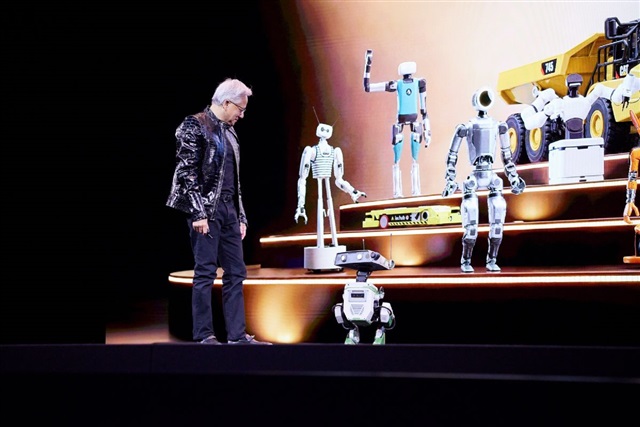
The rapid rise of global artificial intelligence data centers, spotlighted at CES 2026, is signaling a major turning point in how the world consumes and manages energy. As AI becomes the engine behind everything from autonomous vehicles to smart healthcare systems, the demand for always-on computing power is accelerating—and that puts energy storage solutions at the center of the conversation.
AI data centers are built to handle enormous volumes of data at high speed, 24/7. Unlike traditional computing facilities, modern AI workloads require intense processing capacity, which translates into higher electricity use and greater pressure on power grids. This is why the boom in AIDCs isn’t just a technology story—it’s also an energy infrastructure story.
With more AI data centers coming online globally, energy consumption patterns are shifting in noticeable ways. Power demand is becoming more concentrated in specific regions where data centers cluster, and the need for stable, reliable electricity supply is growing rapidly. Even brief disruptions can be costly, which makes backup power and energy storage a critical part of keeping AI services running without interruption.
This growing dependence on nonstop computing is reshaping the energy storage market. Utilities, operators, and infrastructure planners are looking more seriously at solutions that can help smooth demand spikes, provide resilience during outages, and support consistent performance. Energy storage is increasingly viewed as a strategic asset—not just a backup—especially as data centers scale up to meet global AI needs.
The CES 2026 attention on AI data center growth underscores a simple reality: the future of AI is tied to the future of energy. As AI-powered systems expand across transportation, healthcare, manufacturing, and everyday consumer services, the infrastructure supporting them must evolve, too. That evolution is driving stronger interest in energy storage technologies designed to handle heavy loads, improve grid stability, and support the next wave of digital transformation.
As the world races to build smarter systems, the race to build smarter energy infrastructure is accelerating right alongside it.