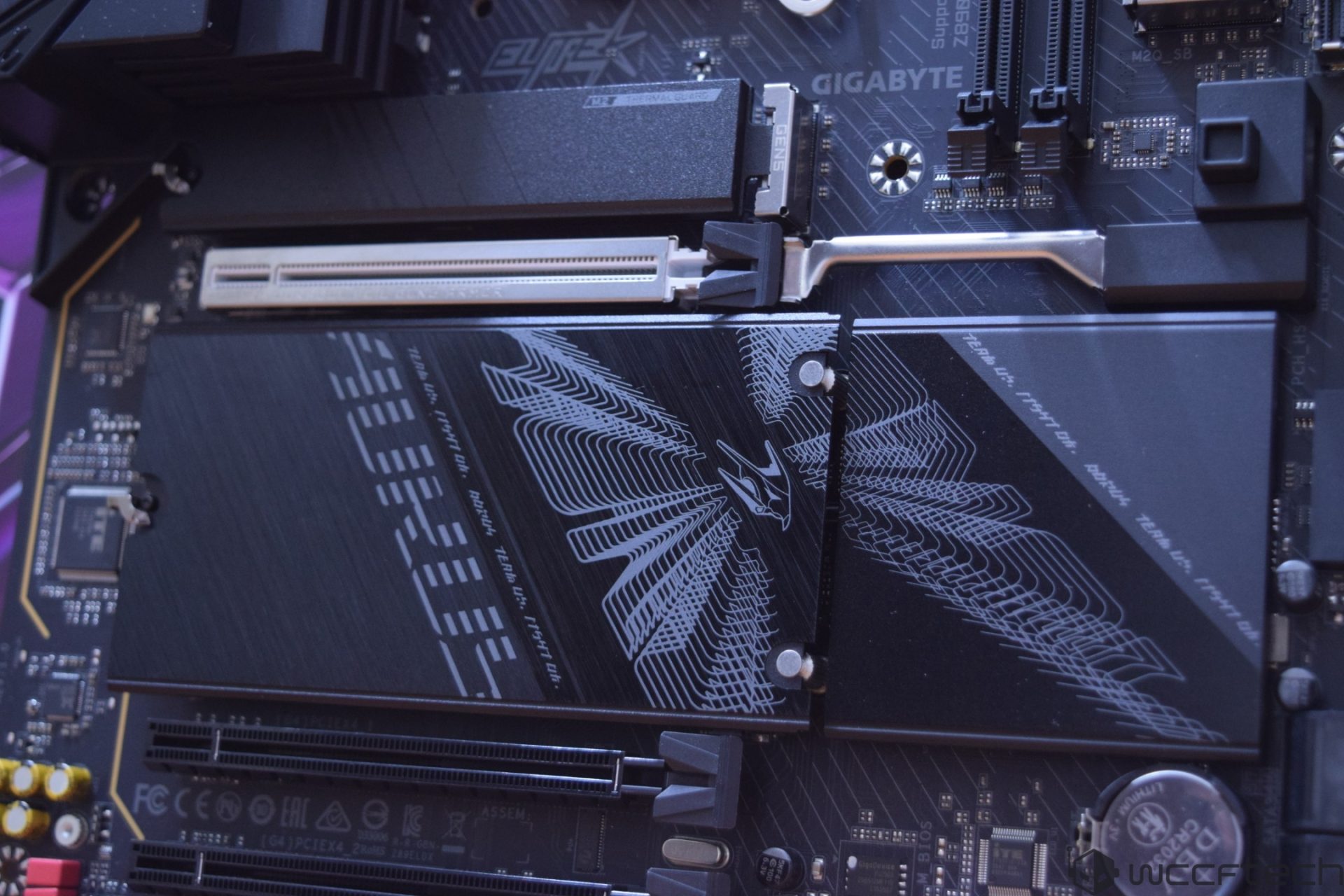
Gigabyte Z890 AORUS Elite DUO X2026 is one of the newest motherboards built for Intel’s latest desktop platform, and it arrives at a major turning point for PC builders. After three years on the Intel LGA 1700 socket, the industry is moving on. LGA 1700 launched in 2021 and supported three CPU generations—12th Gen Alder Lake, 13th Gen Raptor Lake, and 14th Gen Raptor Lake Refresh—along with multiple motherboard waves, beginning with the 600-series (led by Z690) and continuing through the 700-series era dominated by Z790.
In late 2024, Intel kicked off a full platform refresh with the 800-series chipsets and the Core Ultra 200S processor family. Along with those CPUs came an all-new socket: LGA 1851. That change officially closes the chapter on LGA 1700 and sets the stage for newer connectivity, updated board designs, and faster memory support across the ecosystem.
This is where the Z890 chipset comes in. As the high-end option in Intel’s 800-series lineup, Z890 is designed for enthusiasts who want modern I/O, next-gen expansion, and serious DDR5 performance headroom. And among the latest boards arriving for this platform is Gigabyte’s Z890 AORUS Elite DUO X, a model positioned as a feature-rich choice with a forward-looking approach to DDR5—specifically with support for CQDIMM-style DDR5 memory configurations.
Intel Z890 and the LGA 1851 platform: what’s new and why it matters
Intel’s Arrow Lake desktop lineup introduces LGA 1851 for the first time, and Z890 motherboards are built to take full advantage of the new platform. One of the key highlights is PCIe lane availability. The platform provides a total of 48 PCIe lanes, with 20 lanes supporting PCIe Gen 5.0. Those Gen 5 lanes are supplied across the CPU and chipset (PCH), enabling builders to target high-speed GPUs and ultra-fast storage without feeling as constrained as on older configurations.
On the chipset side, the Z890 PCH brings modern connectivity options aimed at high-performance desktops and creators who depend on lots of fast peripherals. It supports up to 24 PCIe 4.0 lanes and includes broad USB support, with up to 10 USB 3.2 ports and options spanning 20Gbps, 10Gbps, and 5Gbps tiers, plus up to 14 USB 2.0 connections. Storage support can scale up to 8 SATA III links, giving builders plenty of flexibility for large game libraries, media drives, and archival storage.
DDR5 memory support is another big focus of the Z890 generation. Official native support reaches DDR5-6400, while enthusiast kits can push well beyond that, with over 8000 MT/s achievable via XMP depending on the CPU, board, and memory kit quality. Capacity options are also positioned for demanding workloads, with support for up to 48GB DIMMs in dual-channel setups for a total of up to 192GB. The platform supports multiple DDR5 module types, including UDIMM, CUDIMM, SODIMM, and CSODIMM, which helps accommodate different build styles and form factors depending on the motherboard design.
LGA 1851 cooler compatibility: good news for upgraders
A practical concern for anyone moving to a new socket is whether existing CPU coolers still fit. With LGA 1851, Intel maintains compatibility with LGA 1700 coolers, which is welcome news if you already own a quality air cooler or AIO. That said, some cooler models may need an offset kit to ensure optimal contact and thermal balance.
LGA 1851 also introduces a revised integrated loading mechanism known as RL-ILM. This design uses a spacer within the loading mechanism to help apply the correct mounting pressure for Arrow Lake processors. For builders, that means the platform is designed to improve mounting consistency—an important detail for long-term thermals and stability, especially on performance-focused systems.
Gigabyte Z890 AORUS Elite DUO X: a closer look at what it represents
While pricing for the Gigabyte Z890 AORUS Elite DUO X2026 is still listed as TBD, the motherboard itself reflects what many enthusiasts want from the first wave of premium Z890 solutions: a modern socket, expanded PCIe capabilities, extensive USB and storage options, and a clear focus on high-speed DDR5 memory—especially with newer DDR5 module approaches like CQDIMM support.
For anyone planning a next-gen Intel build around Core Ultra 200S CPUs, Z890 and LGA 1851 are the new foundation. And boards like Gigabyte’s Z890 AORUS Elite DUO X are aimed at users who don’t just want compatibility—they want a platform ready for fast GPUs, fast SSDs, and the kind of memory speeds that can push performance further in competitive gaming, content creation, and heavy multitasking.


