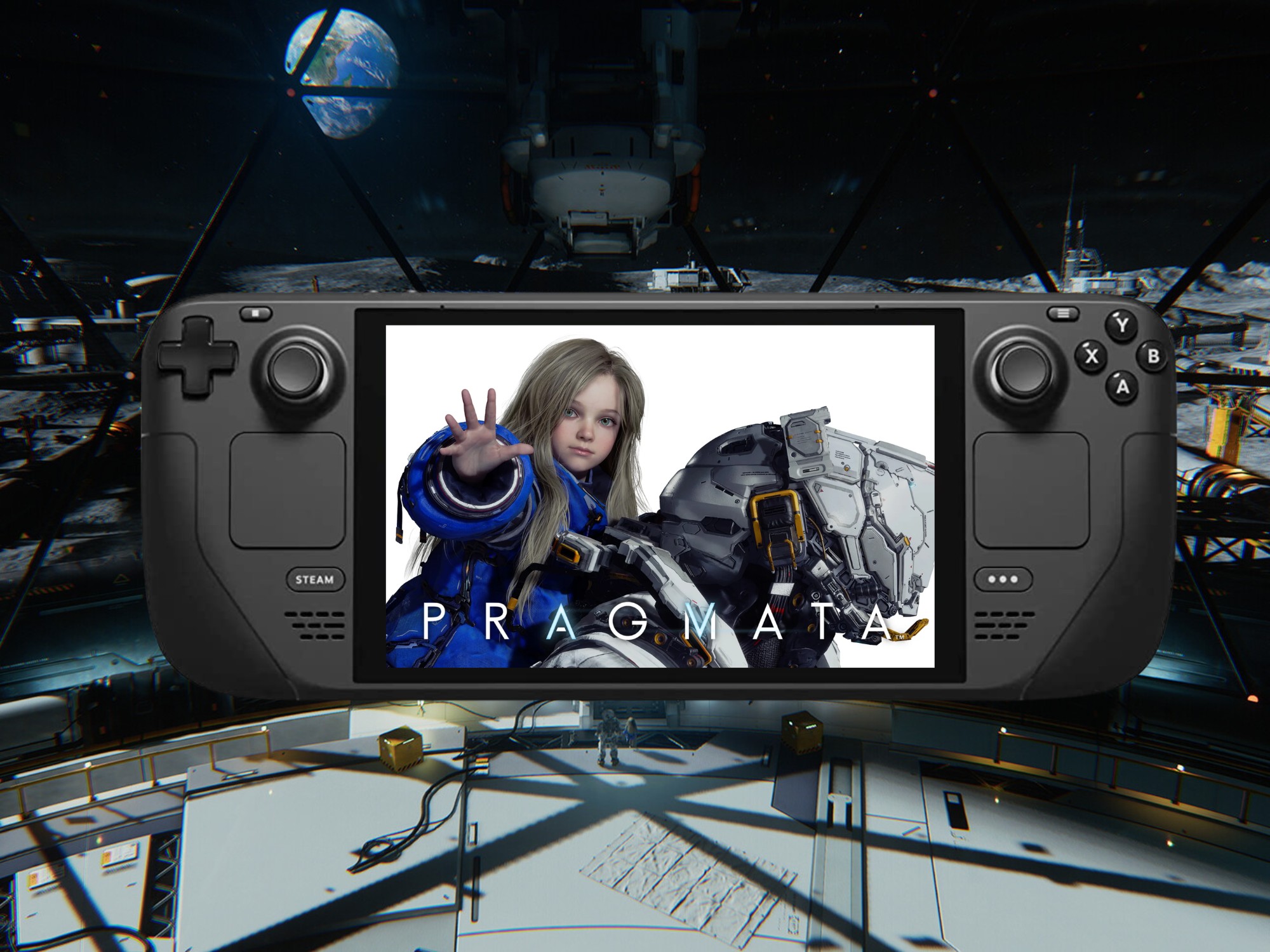
Capcom’s new sci-fi showcase Pragmata is finally here, but its launch has also put the spotlight back on a familiar frustration for PC players: Denuvo DRM. While the anti-piracy system is designed to stop unauthorized copies, early player feedback suggests it’s also getting in the way of legitimate customers on Steam Deck and Linux, especially those who like to tweak settings for better performance.
The issue revolves around Denuvo’s activation rules. In this case, players report a limit of five activations within a 24-hour period. That might sound generous on paper, but for Steam Deck and Linux users, everyday troubleshooting can burn through those activations surprisingly fast. If you hit the cap, you can end up locked out of the game for up to a full day, even though you own it.
Steam Deck and Linux players are being hit the hardest because Pragmata is a Windows game running through Proton, Valve’s compatibility layer that helps Windows titles work on Linux-based systems. It’s common for players to try different Proton versions to improve stability, fix crashes, or boost frame rates. According to user reports, each Proton change can be interpreted by Denuvo as a “new machine,” counting toward the five-activation limit.
Some Steam Deck owners have also been experimenting with launch options to enable ray tracing, since it isn’t available by default. However, players say that this workaround can also be tallied as another activation, pushing them closer to the limit even faster.
While many Steam reviews for Pragmata remain positive overall, a wave of negative reviews highlights the same complaint: Denuvo’s implementation feels punishing to paying customers. In one review, a player described being blocked for 24 hours after making changes, calling the DRM “broken and detrimental to genuine customers.” The same user later reported being able to launch the game again after verifying files, but it’s not clear whether that solution works consistently for everyone.
Adding to the confusion is how the game is positioned. Pragmata isn’t officially advertised as Linux-compatible, yet it is Steam Deck Verified. That “Verified” badge can give buyers the impression that the experience will be smooth on Valve’s handheld, even though that experience still depends heavily on Proton—and Proton tinkering is exactly what seems to trigger the DRM lockouts.
For players who install the game and leave everything untouched, Denuvo may never become a noticeable problem. But for Linux and Steam Deck users who routinely test compatibility versions, performance settings, or fixes, the risk of getting temporarily locked out is very real. Many reviewers argue that after buying a game, customers should be free to upgrade hardware, adjust software, and troubleshoot without being treated like potential pirates.
The controversy is also resurfacing broader complaints about Denuvo’s impact on PC gaming. The DRM has previously been criticized for potentially affecting performance due to frequent background checks, and Capcom’s catalog has been part of those discussions before. Now, with Pragmata’s launch-day access issues, the debate is reigniting—especially among players who feel DRM ends up inconveniencing legitimate buyers more than it stops piracy.
In an ironic twist, players note that Pragmata has reportedly been cracked for days already, fueling the familiar argument that strict DRM can end up hurting paying customers while unauthorized versions keep circulating anyway.
For anyone planning to play Pragmata on Steam Deck or Linux, the best approach right now may be to minimize tinkering at launch. Constantly swapping Proton versions or experimenting with launch commands could trigger the activation limit and cause a 24-hour lockout. Until the situation is clarified or adjusted, the safest path is stability over experimentation—at least if you want to be sure the game will actually boot when you’re ready to play.


