Home battery storage is getting bigger fast, and what used to be a rare sight just a few years ago is now becoming a mainstream option: single, high-capacity battery storage systems starting at 32 kWh or more straight out of the box. These aren’t the familiar modular setups that grow over time by stacking extra battery packs. Instead, they’re “one-and-done” powerhouse units designed to deliver large storage capacity without adding multiple modules.
If you’ve been watching the rise of home energy storage alongside popular solar-ready batteries, it might feel like big capacities have been around for a while. That’s true in a general sense—but what’s changing now is how many retailers are offering batteries that begin at 32 kWh as a base configuration. In other words, you no longer need to build a large system piece by piece. More buyers can simply order a single large home battery and get massive storage in one unit.
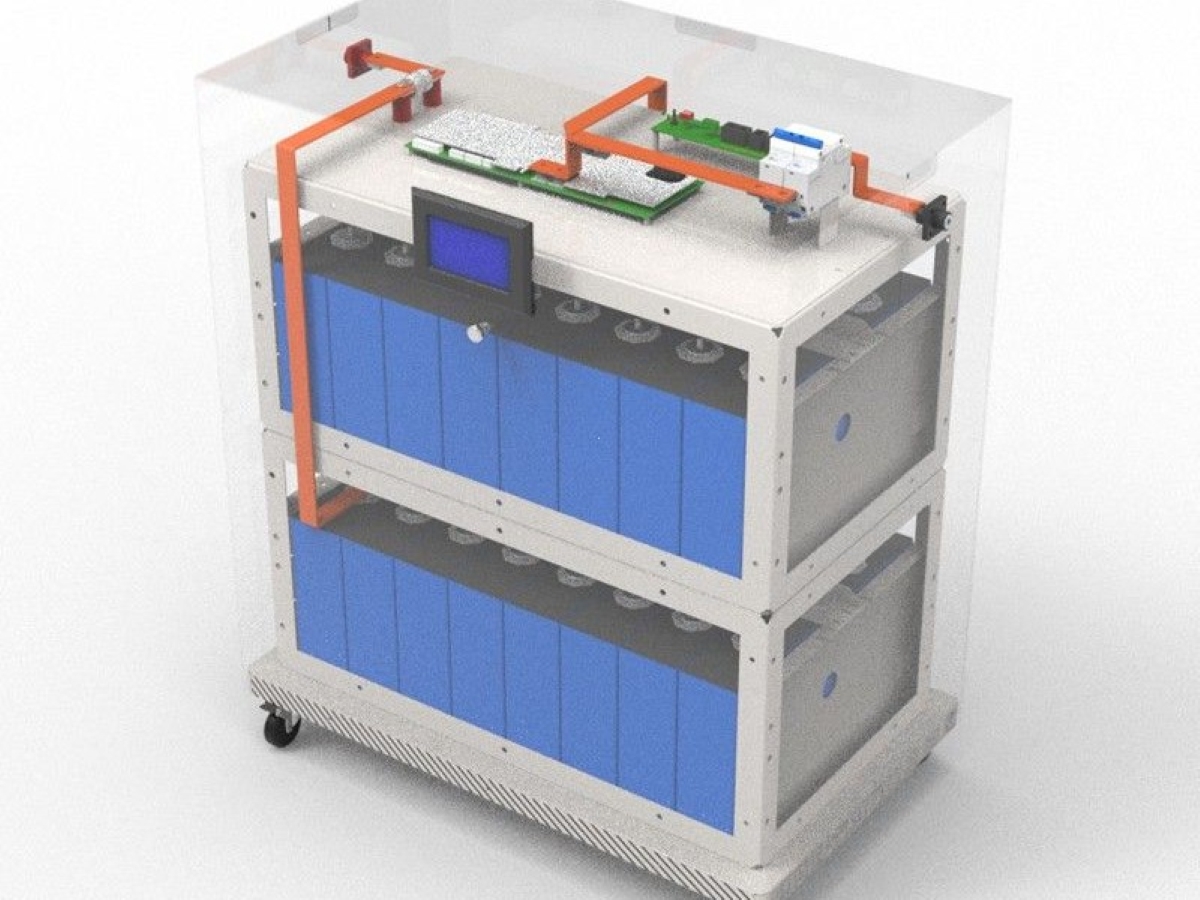
One example comes from NKON, a retailer well-known among DIY-focused buyers, which is now taking pre-orders for an “ESS Pro” home battery with 32.15 kWh capacity. Another brand, Gobel Power, has also begun accepting orders for the first production batch of its own 32 kWh home battery. The growing availability of these products signals a clear market shift: oversized residential battery storage is moving from niche to noticeably more common.
Why these XXL batteries are gaining attention
The main purpose of these high-capacity storage systems is simple: store electricity generated by a photovoltaic (solar) system (and potentially other renewable sources) so it can be used when production drops—at night, during bad weather, or during grid interruptions. With energy prices fluctuating and homeowners increasingly focused on energy independence, bigger storage can be appealing.
The advantages are straightforward and practical.
A longer home backup power window: With 32 kWh or more, a household can potentially run essential loads for an extended period. In the right setup, that can mean keeping a typical single-family home going for days during an outage. Of course, real-world backup time depends on your electricity consumption and whether the rest of your system supports backup/off-grid operation.
Potentially lower upfront cost versus piecing together modules: When you compare a single large battery against a system built from multiple smaller units, the one-piece approach can be cheaper to buy initially. Instead of paying for several separate battery housings and expansion components, you’re buying one complete system with large capacity already included.
Simpler installation and wiring: Fewer separate units generally means less wiring, fewer connections, and less complexity. For installers (and for experienced DIY users where permitted), that can translate into a cleaner setup with fewer points to manage during installation.
The downsides you should know before buying a massive home battery
These oversized systems come with trade-offs that can be easy to underestimate until you’re planning delivery and installation.
They are extremely heavy: One 32 kWh-class unit mentioned in current offerings weighs about 233 kg (around 514 lbs). Moving that safely is not a “two people and a staircase” situation. It often requires serious handling equipment such as a pallet jack, and it can also raise a critical question many homeowners forget to ask: can the installation surface actually handle that much concentrated weight?
A single point of failure risk: In a one-block battery system, if the Battery Management System (BMS) fails, the entire battery can go offline. With modular systems, problems can sometimes be isolated, allowing the system to continue running at reduced capacity. With a single large unit, you may be dealing with an all-or-nothing scenario.
Questionable fit for average households: Not every home needs this much storage, and not every budget benefits from it. A large battery can be impressive, but the smartest investment depends on your goals—backup power needs, solar production, consumption habits, electricity rates, and whether you’re trying to maximize self-consumption or prepare for outages.
What this trend means for the home energy storage market
There’s no universal answer to whether a single 32 kWh+ battery is “better” than a modular system. The best choice depends on your home, your energy usage, your installation constraints, and your local conditions. Still, the rise of these larger batteries is a meaningful development. It could inject fresh momentum into the home battery storage market—especially at a time when battery prices aren’t dropping as quickly as they once were. More competition and more ready-to-buy high-capacity options could help push the market toward better value again.
And for buyers who want their energy storage to be as visually interesting as it is functional, Gobel Power is also leaning into a “tech-lover” appeal by producing versions with transparent casings—turning a traditionally hidden utility device into something you might actually want to show off.