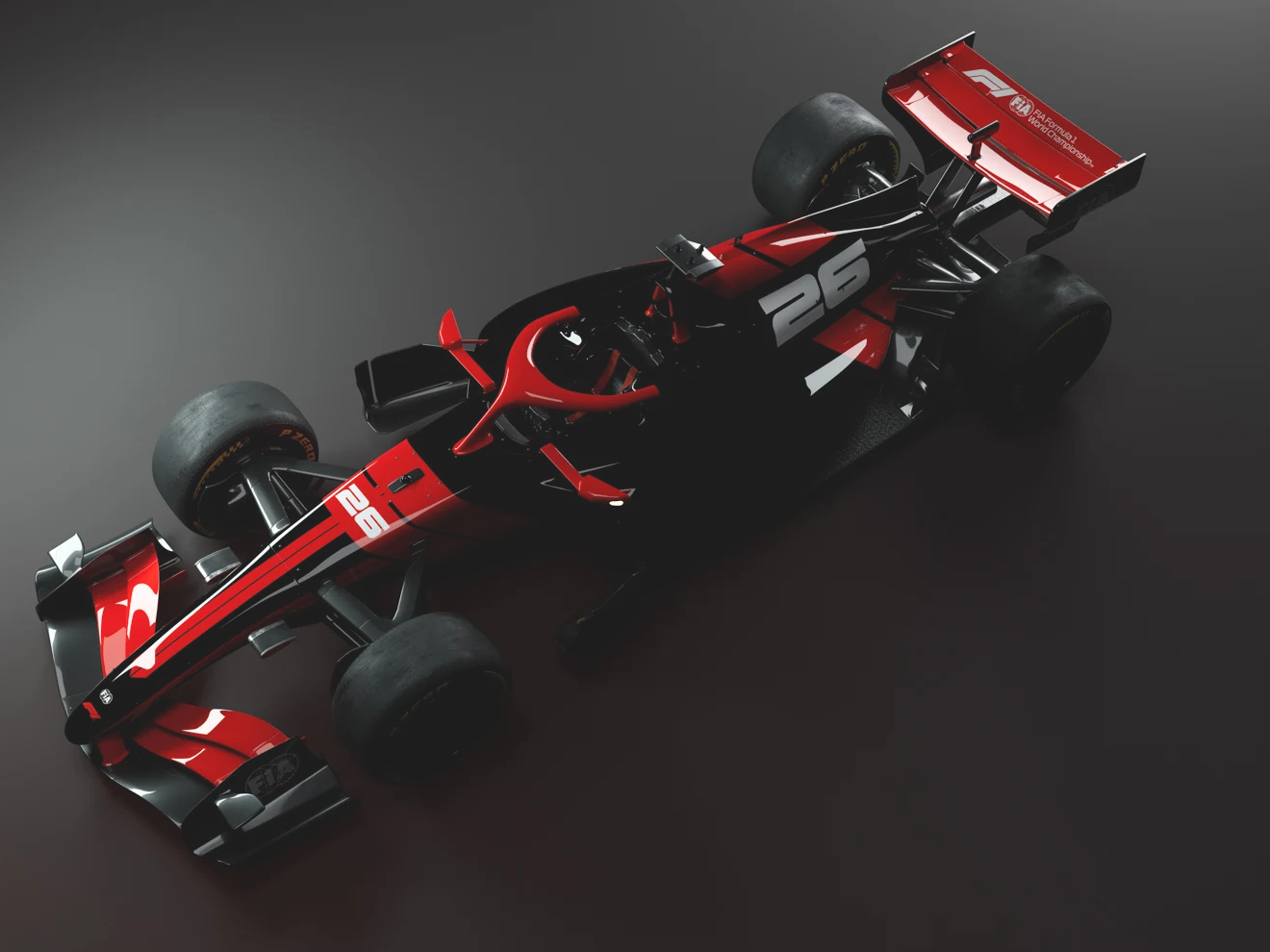
Under a sparkling blue Melbourne sky, the 2026 Formula 1 World Championship roared to life at the Albert Park Circuit, launching a season that already feels sharper, faster, and far more tactical. With 11 teams and 22 drivers on the grid, the Australian Grand Prix delivered an early statement about who’s ready to fight for the title in this new era of F1 rules.
Mercedes couldn’t have asked for a stronger start. After a long, hard-fought battle at the front, George Russell claimed victory, with teammate Antonelli following close behind in second. Ferrari pushed them all the way, as Charles Leclerc and Lewis Hamilton stayed in contention throughout, keeping the pressure on and ensuring the opening round never settled into a comfortable cruise.
Further back, Red Bull Racing’s Max Verstappen had to take on the race largely on his own after teammate Hadjar was forced out with engine trouble. Despite the setback for the team, Verstappen kept it clean and competitive, bringing the car home in sixth after a determined run that showed how much effort it now takes to fight through a tightly packed field.
For newcomers and longtime fans alike, Formula 1 remains the ultimate mix of human skill and engineering power. Across 26 races worldwide starting in Australia, teams compete in open-wheel cars engineered at enormous scale, where chassis and power unit development can involve different entities and highly specialized departments. While the technology is staggering, results still come down to the driver’s precision under braking, confidence in corners, and split-second decision-making under pressure.
This season also begins with two major regulation changes that are reshaping how cars accelerate, handle, and race each other. The 2026 drivetrains move to a true 50/50 split between the turbocharged 1.6L V6 and electric power, a major shift from the previous balance. That change alone affects everything from energy management to overtaking strategies and how drivers time their attacks.
Even more noticeable on track is the change to aerodynamics. Cars now feature active aero wings and spoilers that can adjust depending on the situation—folding to generate stronger downforce through corners, then flattening on straights to cut drag and improve top speed. It’s a fundamental shift in how drivers and engineers approach setup, tire management, and race pace across different circuit types.
Adding another layer to the chess match, drivers can now activate a “boost” mode that unleashes the electric motor’s full output, delivering up to 350 horsepower. That sounds like a simple advantage—until you consider the tradeoff. Use boost to overtake or defend at the wrong moment, and you may leave yourself exposed on the next straight when a rival has more electric power in reserve. Timing, restraint, and awareness could be just as important as raw speed in deciding race winners this year.
With the Australian Grand Prix setting the tone, attention now shifts quickly to the next chapter. The teams head to Shanghai for the Chinese Grand Prix on March 15, where fresh tactics, evolving car setups, and smarter boost management will likely shake up the competitive order once again. If Melbourne is any indication, the 2026 Formula 1 season is set to be one of the most strategic and fiercely contested in years.