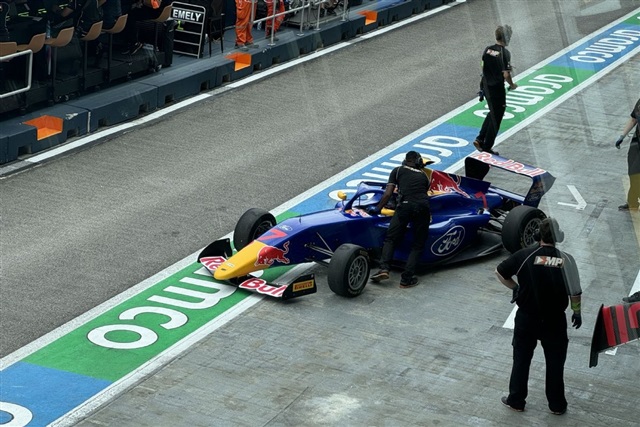
The new Formula 1 season roared to life in Australia with all the hype you’d expect from the start of a supposedly game-changing technical era. Fresh regulations, new ideas, and the promise of closer racing helped build anticipation for a reset across the grid. But as the lights went out and the first major weekend unfolded, the story quickly shifted from “new era” to something far more familiar: one team setting the pace and everyone else scrambling to respond.
Rather than an immediate shake-up, the Australian opener turned into a statement event, with Mercedes emerging as the clear benchmark. From the early running to the broader race narrative, the team’s advantage wasn’t subtle. It was the kind of form that forces rivals to ask uncomfortable questions: is this just a strong start, or the beginning of another season defined by a single team’s edge?
That’s where the debate really ignited. When a new F1 era begins, the sport expects growing pains—teams interpreting rules differently, engineers pushing boundaries, and performance gaps that can take months to close. But dominance right out of the gate always triggers a deeper conversation, especially when it appears linked not only to driver execution, but to design choices and technical interpretation.
The weekend in Australia didn’t just deliver on-track action; it reopened the central tension that follows every major regulation change. Rule updates are designed to reset competition and make races tighter, yet the reality is often messier. The smartest engineering groups can uncover advantages others miss, and once a team hits that sweet spot, catching up becomes a race of its own—one fought in wind tunnels, simulation tools, and upgrade schedules as much as on the circuit.
For fans, this creates a fascinating early-season dynamic. Mercedes’ strong showing raises the stakes for every team chasing behind, and it puts immediate focus on how quickly rivals can respond. Will the field converge after a few races as teams learn more about their cars? Or is Australia the first chapter in a longer period of control by the front-runner?
Either way, the season’s opening round made one thing clear: the new Formula 1 era has arrived, but it’s already being shaped by a familiar force. As the calendar moves on from Australia, the spotlight will follow the same two questions that define every fresh start in F1—who has found the best solution, and how long can everyone else take to catch up?