GDC director calls out Epic Games, Unity, and Sony for skipping the show floor at GDC 2025
The Game Developers Conference has a message for industry heavyweights that sat out or scaled back this year: your absence speaks volumes. Mark DeLoura, GDC’s executive director of innovation and growth, says the decision by major players to skip the expo floor signals to developers that they might not be invested in the broader community.
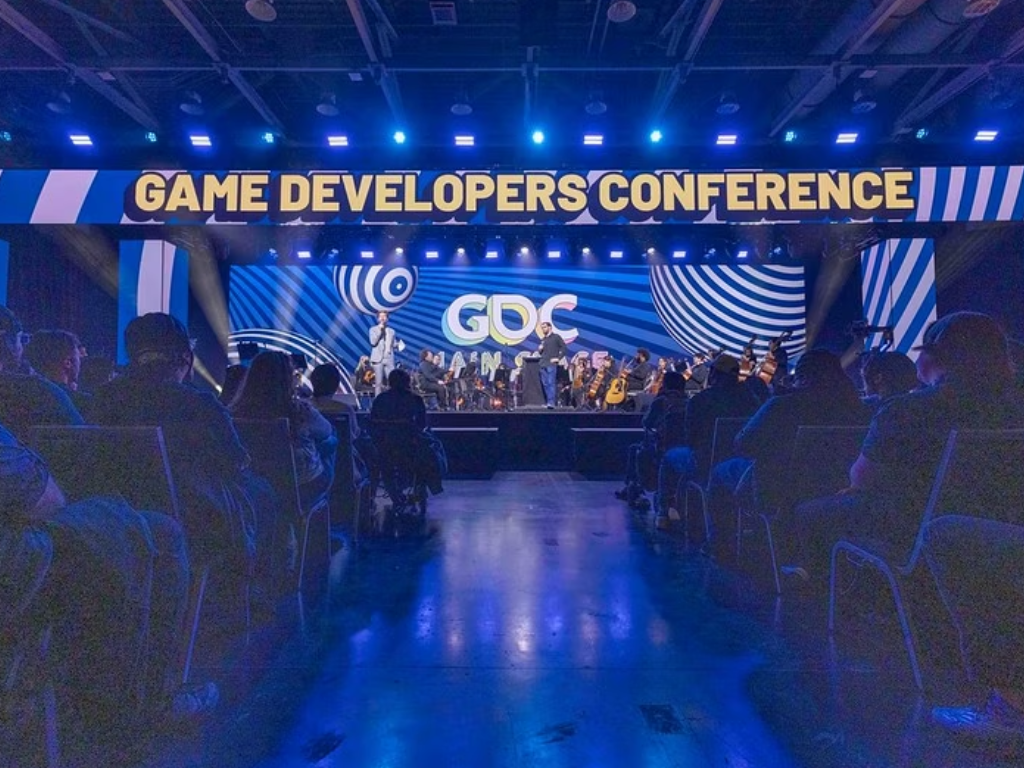
GDC 2025 ran from March 17–21 at San Francisco’s Moscone Center. Notably, Unity and Epic Games reduced their presence, while Sony Interactive Entertainment skipped the show floor entirely. For DeLoura—who once worked at Sony and helped launch its first GDC booth in 2001—the optics were hard to ignore. “As an attendee, I was disappointed not to see Unity and Unreal on the show floor,” he said. “I started the Sony booth 25 years ago… not to see Sony on the show floor is just disappointing. I really feel like you’ve got so many developers there, you’ve got to have a front door.”
DeLoura acknowledged that companies often host their own gatherings—like Unreal Fest and Unity’s Unite—where they can dive into NDA-protected topics. But he cautioned that those curated spaces don’t replace GDC’s unique role in discovery and access. “You’re not going to find the independent developer who doesn’t already know somebody at your shop, unless you’re there with your door open.”
At its core, he argued, conferences are about meeting new people and building relationships that wouldn’t form otherwise. “Isn’t that the purpose of conferences? Meeting new people. You’ve decided you don’t want to meet new people, I guess. I can’t understand that,” DeLoura said, noting that developers “get the vibe” when a company appears absent. While he recognized there are cost considerations, he questioned the long-term message this sends: “If you’re not there, or appear not to be there, are they sure that you care about them?”
Amid the debate over participation, GDC is planning a major evolution. In 2026, the event will rebrand as the GDC Festival of Gaming, aiming to bring the industry together in a more inclusive, community-forward format. The reimagined event is scheduled for March 9–13, 2026, and will introduce simplified pass options, including a new Festival Pass starting at $199.
“In a time of great change, we can build walls or build bridges—and the GDC Festival of Gaming is all about building bridges,” DeLoura said in an October 23 statement.
For developers and studios alike, the message is clear: GDC wants to remain the open door where new connections happen, indie voices are heard, and the global development community converges. Whether the industry’s biggest players choose to meet them there could shape the tone—and the opportunities—of future conferences.


