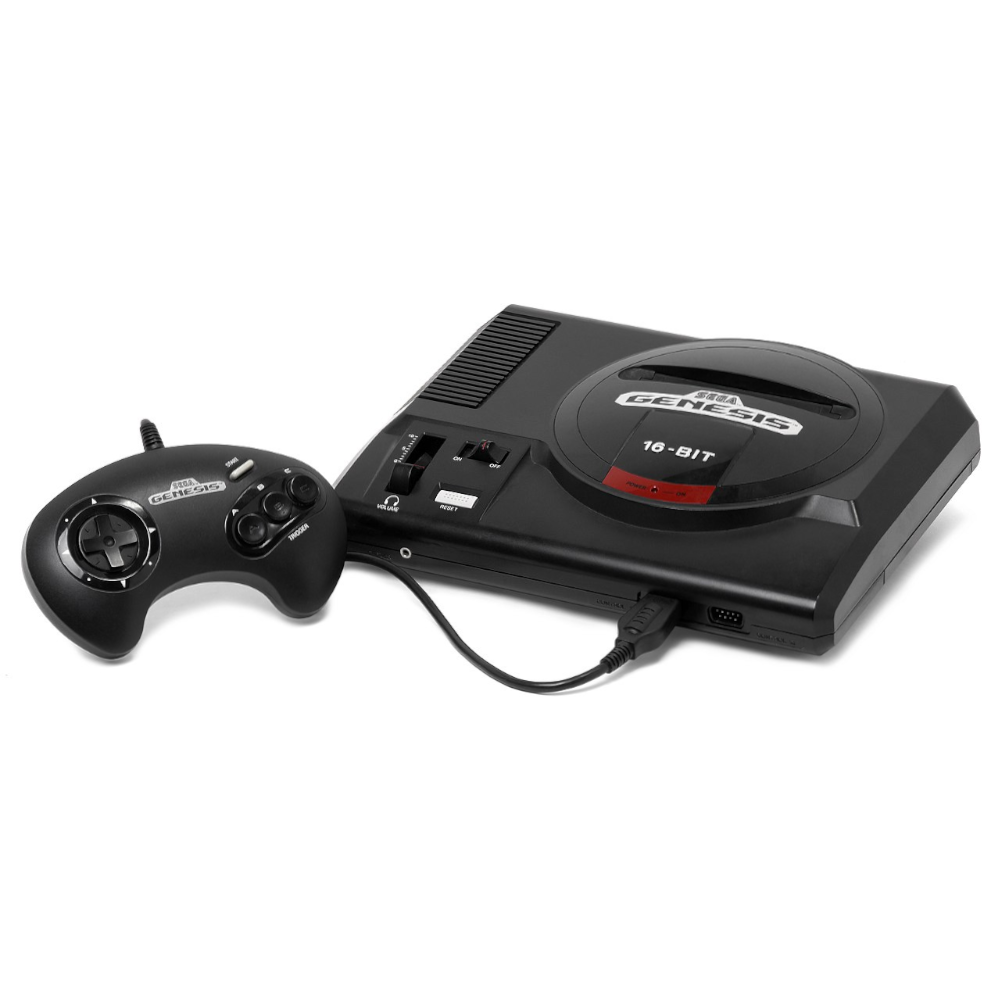
Sega’s 16-bit era just got a modern power-up. MD Engine is a new development tool built to make creating games for the Sega Mega Drive, known as the Sega Genesis, dramatically easier and far more approachable for newcomers and veterans alike.
At its core, MD Engine uses visual scripting and a drag-and-drop workflow, so you don’t need deep console-specific coding knowledge to bring a concept to life. If you prefer to get hands-on, advanced users can still write game logic in C and extend the tool with plugins.
Export options are designed for both purists and modern players. You can build a traditional ROM that runs on emulators and original hardware, or export to an HTML5 web page. You can also create builds that run on Windows or through Steam. Those latter two paths unlock modern quality-of-life upgrades like widescreen support and the removal of classic sprite limits, letting your retro-style game shine on today’s displays without legacy constraints.
MD Engine began as a fork of GB Studio, but it’s tailored for Sega’s 16-bit hardware and adds its own set of tools. Highlights include support for tiled maps alongside image-based scene backgrounds, multiple scripts per trigger, and a clear scene lifecycle with Setup, Update, and End scripts—giving creators more control over pacing, events, and performance.
Right now, MD Engine targets the base Genesis/Mega Drive. The team has hinted that support for Sega 32X and Sega CD could arrive later, but today the focus is squarely on the original console.
Getting started doesn’t require a powerhouse PC. The tool is available through Steam and runs on Windows 7, 8, 10, and 11, with testing reported on Linux Mint. Minimum specs are modest: a single-core 1 GHz CPU, 2 GB of RAM, and 300 MB of storage. Recommended specs include a dual-core CPU, 4 GB of RAM, and an SSD for smoother workflows. A discrete GPU isn’t required. macOS support isn’t available yet.
Whether you’re dreaming up a new homebrew platformer or resurrecting a shelved 16-bit concept, MD Engine lowers the barrier to entry while still giving experienced developers room to push the hardware’s limits. For anyone who grew up with the Genesis—or anyone discovering it for the first time—this could be the simplest way yet to build, test, and share a Sega-style game.