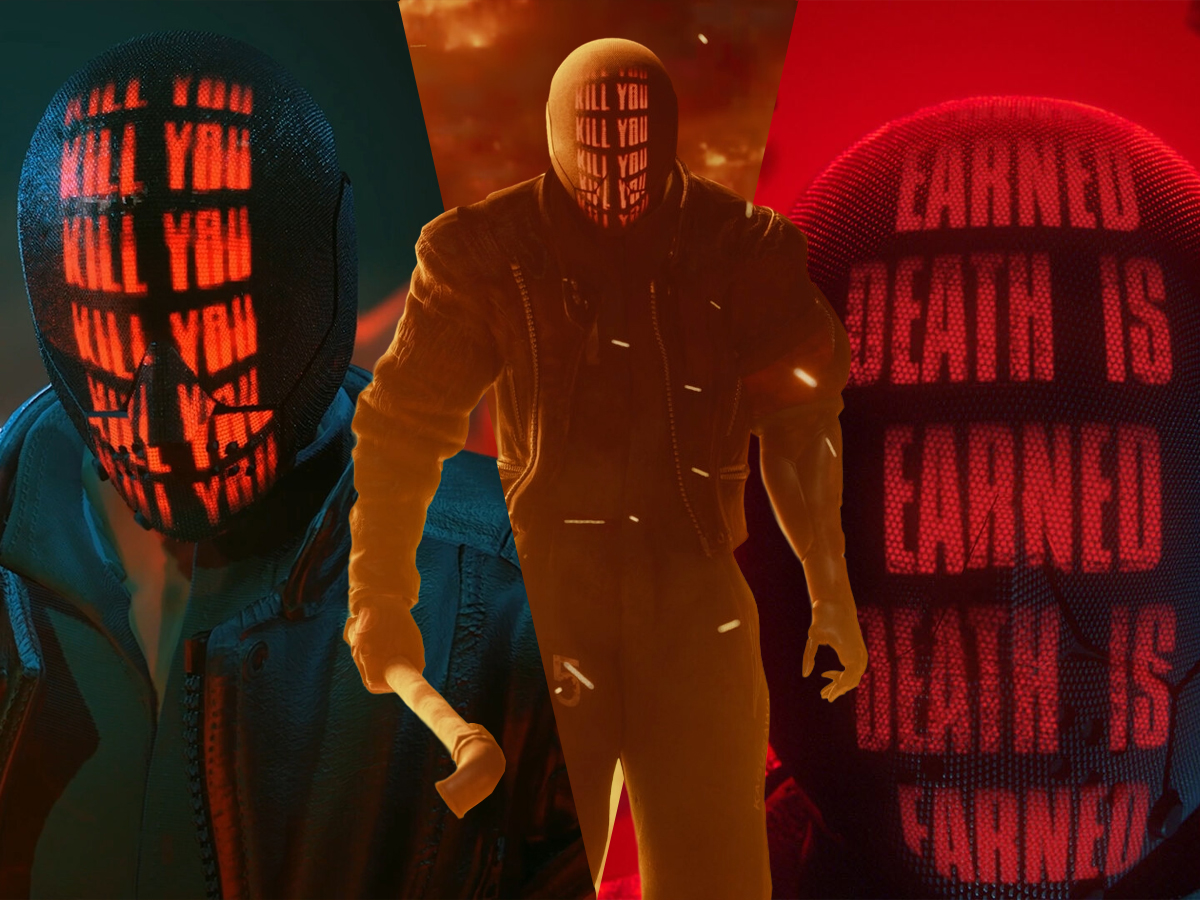
Reikon Games is officially returning to its neon-soaked cyberpunk universe with Ruiner 2, a sequel to the well-received 2017 shooter. While it carries the same gritty sci-fi attitude and intense action energy that fans remember, this follow-up isn’t simply “more of the same.” Instead, Ruiner 2 is shaping up to be a bigger, more systems-driven experience that leans into action RPG design, deeper progression, and build experimentation.
Rather than putting the spotlight squarely on fast, arena-style shootouts the way the original did, Ruiner 2 is being built around choices: how you develop your character lineup, how you balance gear trade-offs, and how you push upgrades without breaking your build. The developers are clearly aiming for a game that rewards players who like to tinker, optimize, and try new playstyles as they progress.
The biggest shake-up comes from a new feature called the Shell system. In Ruiner 2, you don’t stick to a single character for the entire game. Instead, you collect “combat bodies,” known as Shells, and each one is earned by defeating bosses. That means new playable options are tied directly to major victories, giving boss fights extra excitement since they can unlock an entirely new way to play.
Each Shell has its own role, unique abilities, and a dedicated progression path. In solo play, you can equip up to three Shells at once, and you can swap between them instantly during combat. This roster-based approach is a major departure from the original Ruiner, which focused on mastering one character and a flexible skill setup. With Ruiner 2, combat strategy can shift on the fly as you switch bodies to match the moment, whether you need survivability, burst damage, or a different toolkit entirely.
Progression is also being redesigned to fit this new structure. Ruiner 2 introduces a Neural Network passive tree that applies across your entire Shell roster, creating a shared foundation that grows over time. On top of that, individual Shell upgrades add another layer, letting you specialize your favorite combat bodies while still improving the overall team. It’s a more layered approach than the first game’s progression and seems built to encourage experimentation and replayability.
Gear customization is getting a fresh twist too. A new Overload system adds boundaries and tension to how equipment is used, leaning into a more resource-based gear model. Instead of freely stacking the “best” options without much friction, players will need to balance what they equip and how they spend resources, making loadout decisions feel more meaningful.
There’s also a risk-based crafting system designed for players who like to push their builds to the edge. You’ll be able to force upgrades beyond normal limits, but those items may start behaving in unexpected ways. That creates a high-stakes crafting loop where the potential rewards are tempting, but the outcome isn’t always predictable—perfect for an action RPG that wants to keep builds interesting well into the endgame.
One of the most requested features from the original game is finally arriving as well: co-op. Ruiner 2 will support up to three-player cooperative play, which should make its combat and build systems even more engaging when teammates can coordinate Shell choices and gear strategies. The game will also feature an endgame structure with escalating difficulty tiers and improved loot rewards, strongly hinting that players are meant to continue playing beyond the initial campaign and come back for at least another run.
Ruiner 2 doesn’t have a release date yet, but more information is expected soon. For fans of cyberpunk action games, top-down shooters, and loot-driven action RPG progression, this sequel is already looking like one of the more ambitious shake-ups of a familiar formula—trading pure adrenaline for a deeper, more replayable systems-focused design while keeping the brutal, stylish spirit that made the original stand out.