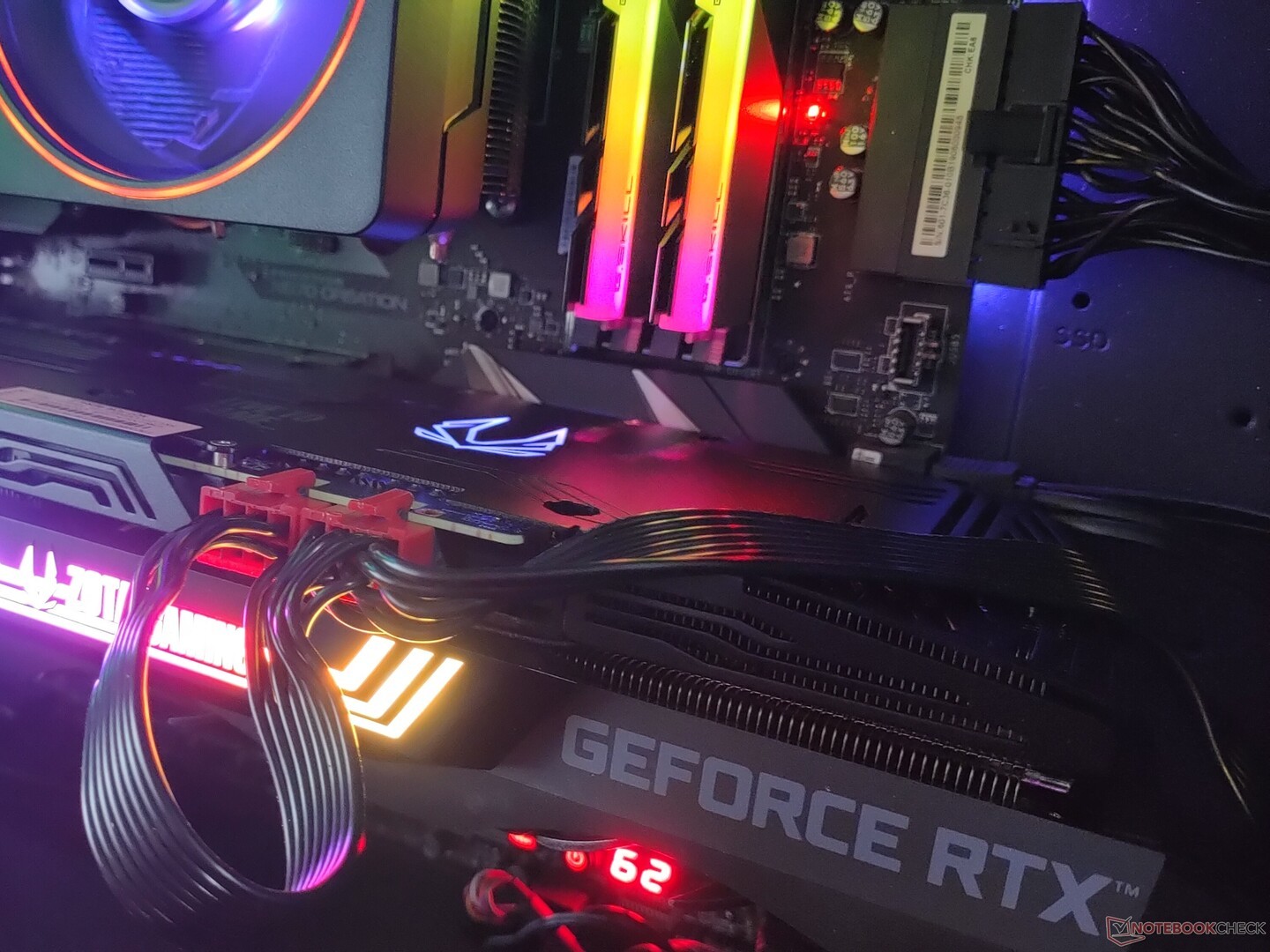
Nvidia RTX 3090 may gain major AI performance boost with free GPU unlock tool
The GeForce RTX 3090 may be several years old, but it appears Nvidia’s former flagship still has performance left on the table. A new open-source tool known as gpu-unlock reportedly removes a limitation affecting Tensor Core workloads on Ampere-based GeForce RTX 30-series graphics cards, allowing certain AI and compute tasks to run significantly faster.
The tool was developed by GitHub user Zagitta and is designed to improve performance in specific FP16 and BF16 Tensor Core operations with FP32 accumulation. These workloads are especially important for AI processing, machine learning, local large language models, and image-generation applications.
According to the developer, some Ampere GeForce GPUs operate these Tensor Core instructions at a lower issue rate than Nvidia’s professional workstation and data-center cards. The gpu-unlock project changes hardware speed-selection registers to remove that restriction, potentially allowing the RTX 3090 and similar cards to reach much higher compute throughput.
One of the most interesting parts of the project is that it does not require flashing the GPU VBIOS or installing a modified Nvidia driver. Instead, the current Linux-based implementation uses a kernel module that runs before the official Nvidia graphics driver loads. It applies the register changes, resets the GPU, and then hands control back to the standard driver.
That approach makes the unlock less permanent than a firmware modification, though it is still experimental and should be treated with caution.
Early community testing suggests the performance gains can be substantial in the right workloads. In one reported result, an RTX 3090 increased BF16 matrix multiplication performance from 77.5 TFLOPS to 129.6 TFLOPS. TF32 performance also rose from 40.2 TFLOPS to 69.8 TFLOPS.
The RTX 3090 Ti appears to benefit as well. One test showed BF16 throughput jumping from 87.5 TFLOPS to 157.4 TFLOPS, making the card far more capable in certain AI-focused tasks than its stock configuration would suggest.
However, these improvements do not apply equally to every application. Performance gains depend heavily on whether the workload makes strong use of the affected Tensor Core instructions. For example, one RTX 3090 user reported around a 16% improvement in long-context prompt processing during local LLM inference, while token generation speed showed little to no meaningful change.
Image-generation workloads may see more noticeable gains. Testing with BF16-heavy workflows reportedly showed an RTX 3090 Ti delivering around 47% to 59% higher throughput in some scenarios, which could be a major improvement for users running local AI art and diffusion-based tools.
For gamers, the situation is less clear. Nvidia’s DLSS technology also relies on Tensor Cores, so it is natural to wonder whether this unlock could improve frame rates or AI-assisted rendering performance. At the moment, though, there are no widely verified gaming benchmarks proving meaningful FPS gains. Anyone expecting a free gaming performance upgrade should keep expectations low until more testing is available.
The project currently focuses on Linux. A separate experimental Windows effort has reportedly managed to boot an unlocked RTX 3090 into Windows on a specific setup, but Windows support does not appear ready for general users yet.
While the idea of unlocking extra RTX 3090 performance is exciting, this is not a casual one-click upgrade for everyone. It involves low-level GPU behavior, kernel-level changes, and experimental software. Users should avoid trying it on a mission-critical workstation or primary gaming PC unless they understand the risks and are comfortable troubleshooting potential instability.
Still, the discovery is impressive. The RTX 3090 remains popular among AI enthusiasts because of its 24GB of VRAM, strong compute capabilities, and lower used-market pricing compared with newer high-end GPUs. If this unlock continues to mature, it could make Ampere-based RTX 30-series cards even more attractive for local AI, machine learning, and creator workloads.
For now, gpu-unlock is best viewed as an experimental performance boost for advanced users rather than a mainstream upgrade. But for those willing to explore it carefully, it may offer a surprising amount of extra life from Nvidia’s aging yet still powerful RTX 3090.