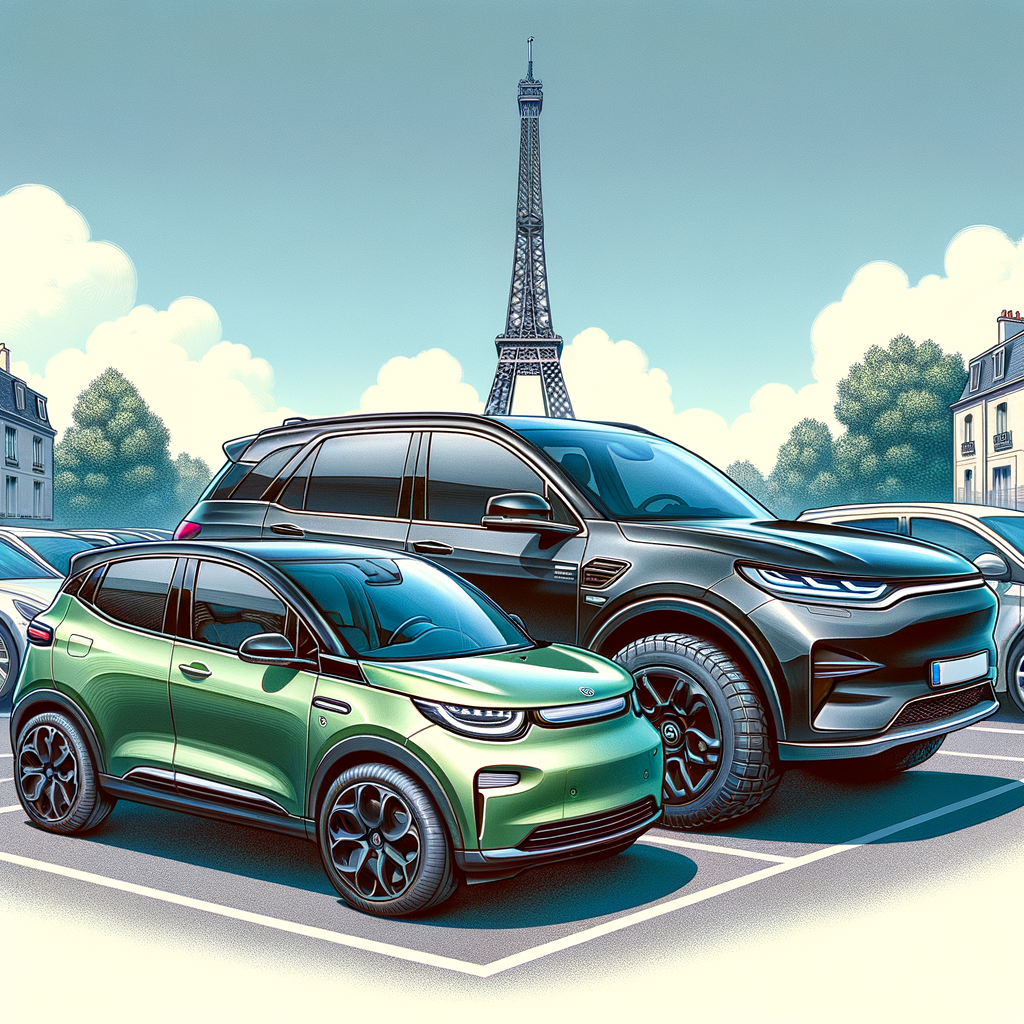
The increase in the average weight of vehicles on our roads has become an environmental concern, leading to what is often referred to as ‘autobesity’. This refers to the growing trend of vehicles becoming larger and heavier, resulting in more smog, greater energy use, and an overall negative impact on the environment. In an effort to mitigate this issue, Paris has taken a decisive step with a new regulation that targets heavy sport utility vehicles (SUVs) and electric vehicles (EVs).
In a groundbreaking move, Parisians have given their approval for a parking fee initiative that specifically targets heavier vehicles. This measure has been implemented to encourage residents to opt for lighter, more energy-efficient transportation options, thereby reducing ‘autobesity’. Vehicles that rely on gasoline and weigh over 1.6 tons, alongside electric vehicles over 2 tons, will now be subject to a parking fee ranging from €12 to €18 (approximately $12.94 to $19.40) per hour when parked in central Paris. This fee is expected to affect about 10 percent of the vehicles in the city.
The vote for this new parking fee policy comes as a response to the alarming increase in the proportion of larger, heavier vehicles on the road. Larger SUVs and crossovers are gradually replacing the more traditionally compact and lightweight cars such as hatchbacks and sedans. The implications of this shift are significant, not only in terms of pedestrian safety in the event of crashes but also regarding the increased energy required to transport individuals. More energy means more consumption of electricity or gasoline, the creation of used lithium batteries, and the release of toxic materials into the environment.
Additionally, heavier vehicles have been linked to faster wear and tear on the road infrastructure, resulting in damaged roads that in turn harm other vehicles. The increased road damage leads to more frequent repairs, adding to the environmental and financial burden on the city.
The move towards charging more for heavier vehicles parking is also seen as part of the preparations for the forthcoming 2024 Paris Olympics. The objective is not only to make Paris a cleaner and more pedestrian-friendly city but also to nudge people towards purchasing lighter vehicles that are kinder to the environment. Such a shift promises to deliver both environmental and health benefits for the city’s residents.
For those interested in alternative means of green transportation, options like powered unicycles are gaining popularity and offer an engaging way to minimize their mobility carbon footprint.
This initiative marks a pivotal move towards combating the negative impacts of ‘autobesity’ and sets a precedent for other cities around the world facing similar environmental challenges posed by heavy vehicles.