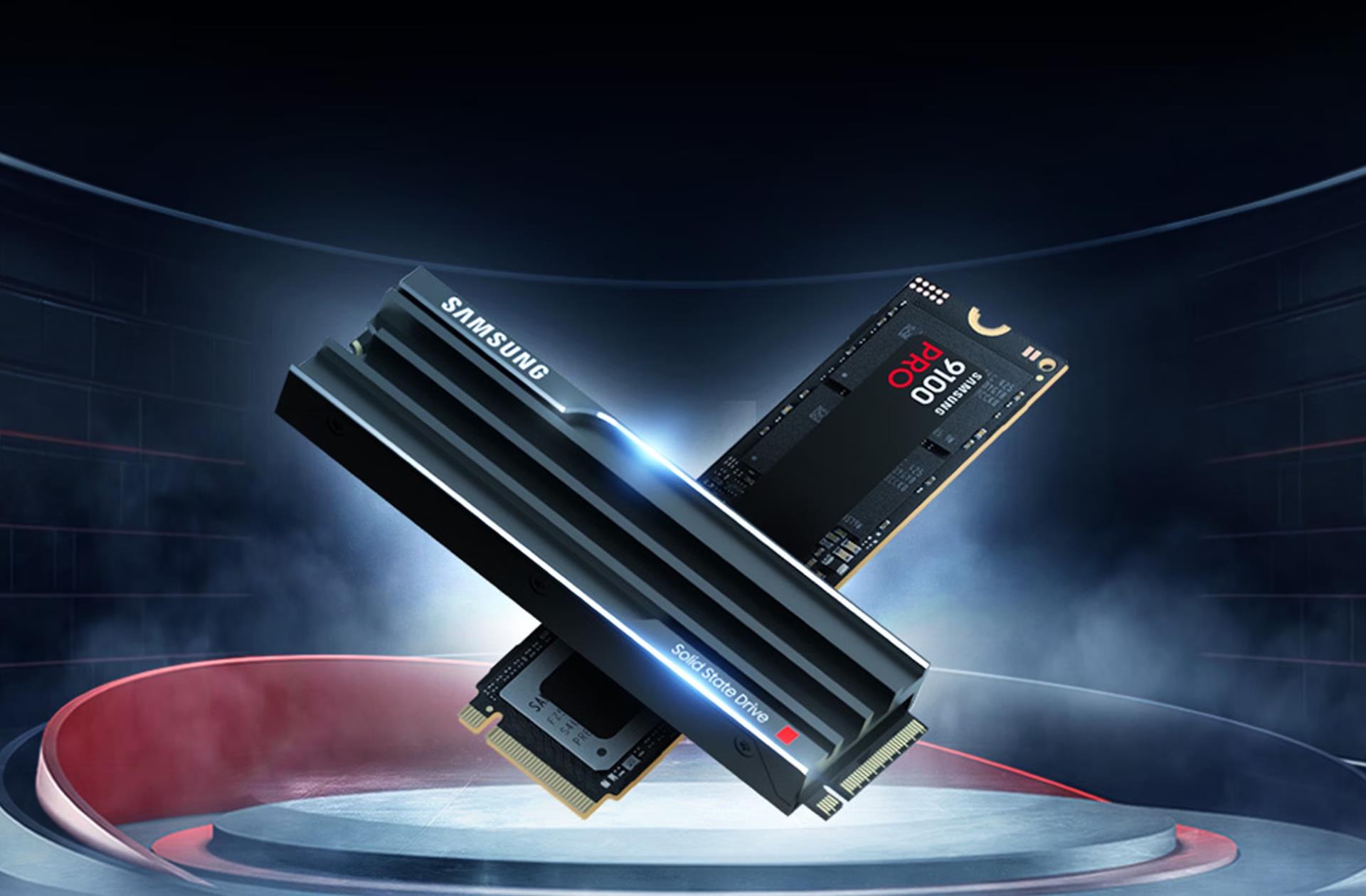
AI is igniting a shockwave through the memory market, and NAND flash is the latest to feel the heat. After months of subdued activity, demand for NAND has surged to unprecedented levels, with one of the industry’s key suppliers, Phison, describing the situation as “shocking.” The result could be a sharp jump in consumer SSD prices, especially for higher-capacity models.
According to Phison’s Q3 earnings call, the current memory upcycle isn’t business as usual. Beyond DRAM’s rebound, average selling prices for TLC NAND have spiked by roughly 50–75% in just a few months. That kind of momentum typically trickles down to retail, meaning mainstream SSDs may soon cost significantly more.
What’s fueling the rush? AI inference is changing how data centers store and serve models. Large language models are increasingly pre-loaded onto fast local SSDs for low-latency startup, and every model update ripples straight to storage. As fleets of servers adopt this approach, NAND-based drives are being deployed at scale, tightening supply across the board.
This surge follows a long drought for NAND makers. Phison’s leadership noted that fabrication plants were underutilized for months, and manufacturers were reluctant to expand capacity after struggling to generate meaningful profits in recent years. Now, with AI demand arriving in force, supply is expected to climb—but not overnight—keeping the market tight and prices elevated in the near term.
Consumers have seen a similar story play out with DRAM: what many expected to be a gradual climb quickly turned into steep price jumps, in some cases doubling module prices. NAND appears to be on a comparable path. If you have your eye on larger SSDs, particularly 2TB and above, prepare for sticker shock as inventories adjust to the new pricing reality.
Practical takeaways for buyers:
– Consider pulling the trigger during upcoming sales before widespread price increases filter through retail channels.
– If you need lots of space, prioritize sooner rather than later; high-capacity drives typically feel pricing pressure first.
– Match the drive to your workload. TLC SSDs usually offer better sustained performance and endurance than lower-cost options, which may matter for heavy use or content creation.
Bottom line: AI is gobbling up NAND at a pace the market hasn’t seen before. With supply tight and TLC pricing climbing fast, SSDs are on track to get more expensive. If you’re planning a PC storage upgrade, this deals season could be the best window before the new price floor sets in.