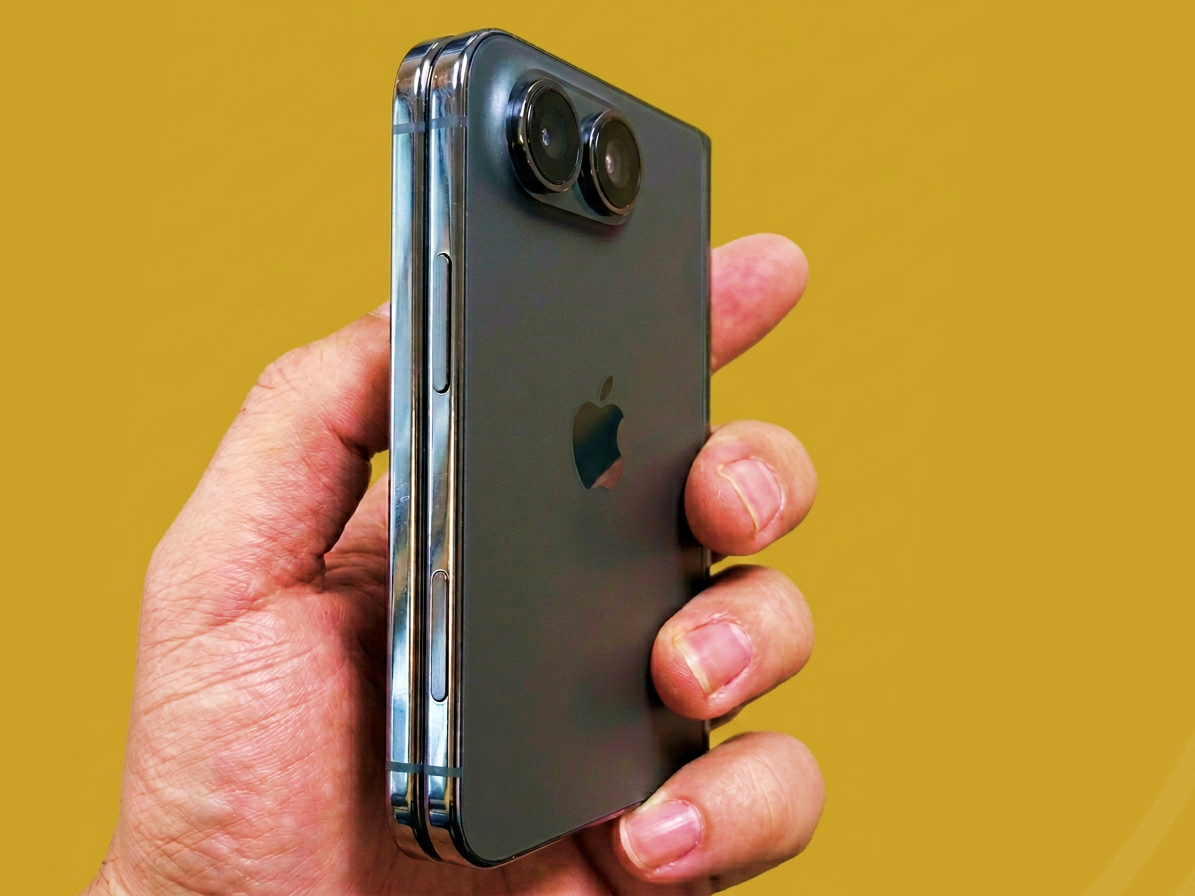
Fresh leaked dummy units that appear to match Apple’s “final” hardware designs are giving us a clearer look at two upcoming devices: the iPhone Ultra/Fold (Apple’s first foldable iPhone) and the iPhone 18 Pro. And if these design units are accurate, Apple is making at least one choice that will spark debate immediately.
On the iPhone 18 Pro side, there isn’t much to unpack. The design shown in the dummy units looks largely familiar, with minimal outward change compared to the previous generation. For anyone hoping for a dramatic redesign, these leaks point to another year of refinement rather than reinvention.
The iPhone Ultra/Fold is where things get interesting. The most attention-grabbing detail is the apparent return of Touch ID, reportedly integrated into the power button on the right side. If Apple does bring Touch ID back in this way, it would be a practical solution for a foldable device where facial recognition and camera positioning can get complicated depending on how you’re holding it.
But the bigger surprise may be the button layout. Instead of placing the volume buttons on the right side like many phones, the dummy units show volume controls positioned on the top edge of the iPhone Ultra/Fold. That’s an unusual move for an iPhone-style device, and it instantly raises a simple question: is this smart ergonomics, or a daily annoyance?
The logic behind it becomes clearer when you consider what kind of foldable Apple appears to be building. The form factor suggested by the dummy unit is wider and shorter, the kind of device that’s meant to shine in its open, landscape “tablet” mode. In that orientation, top-mounted volume buttons can actually feel natural, especially if Apple expects people to use the unfolded device like a compact iPad.
The tradeoff is what happens when the phone is folded shut. In “regular phone” mode, top-mounted volume controls could be harder to reach one-handed, forcing users to stretch a finger up to adjust volume. That’s not necessarily a dealbreaker, but it’s a real ergonomic compromise that could frustrate people who rely on quick, blind button presses throughout the day.
There’s also a bit of uncertainty in what we’re seeing. Some observers point out a cutout on the right side that resembles an antenna line, but it’s unclear whether it could be related to button functionality. Another possibility is that Apple could lean on software to make the new hardware layout easier to live with, such as gesture-based volume controls or other shortcuts that reduce how often you need to reach for the buttons.
One more notable detail from these design units: the foldable model doesn’t show the familiar MagSafe ring marking. Dummy units don’t always reflect every internal feature, but if the omission holds true in the final product, it could signal a meaningful change in how Apple handles magnets and wireless accessories on a foldable chassis.
Taken together, these leaks suggest a clear direction for Apple’s first foldable: the unfolded experience comes first. The iPhone Ultra/Fold seems designed to prioritize an “iPad mini-like” feel when open, even if that means the folded phone experience isn’t as conventional as longtime iPhone users expect. That’s the reality of a true 2-in-1 device—solving one set of problems often introduces another.
If these dummy units reflect the final design, Apple isn’t just joining the foldable market. It’s trying to redefine how a foldable should be used day to day, with Touch ID returning and hardware controls arranged around the tablet-first vision. Whether that feels like a clever fix or an awkward compromise will likely depend on how you use your iPhone most.


