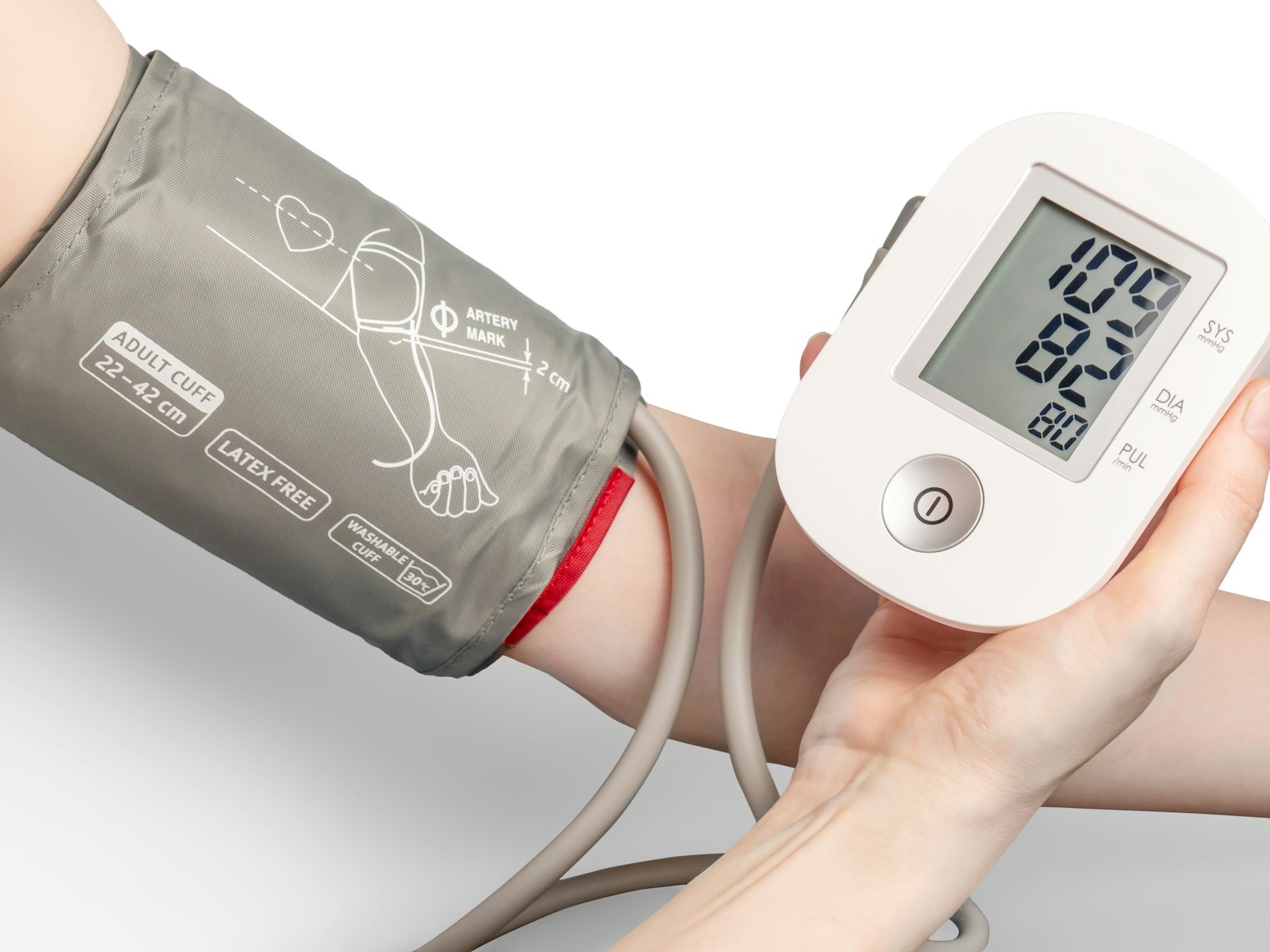
A once-daily experimental pill is showing real promise for people whose blood pressure stays dangerously high despite multiple medications. In a large international Phase III clinical trial, baxdrostat significantly lowered systolic blood pressure in adults with resistant or difficult-to-control hypertension.
Baxdrostat belongs to a new class of medicines called aldosterone synthase inhibitors. Instead of simply blocking aldosterone’s effects, it targets the source by inhibiting the enzyme the body uses to produce aldosterone. Elevated aldosterone is often a leading cause of resistant hypertension because it drives the kidneys to retain sodium and water, increasing blood volume and raising blood pressure.
The Phase III BaxHTN study, published in The New England Journal of Medicine and led by Professor Bryan Williams, enrolled around 800 participants. Over 12 weeks, adding a 2 mg daily dose of baxdrostat to standard therapy reduced systolic blood pressure by an average of 15.7 mmHg. By comparison, those on placebo saw a 5.8 mmHg reduction. That translates to a placebo-corrected reduction of 9.8 mmHg.
According to Professor Williams, achieving nearly a 10 mmHg drop in systolic pressure is a meaningful milestone because this level of reduction has been linked to substantially lower risks of heart attack, stroke, heart failure, and kidney disease. For patients who have already cycled through multiple antihypertensive drugs with limited success, an additional option that delivers this magnitude of benefit could be transformative.
Safety signals in the trial were generally reassuring. A small proportion of patients on baxdrostat—about 3%—developed elevated potassium levels (hyperkalemia), compared with 0.4% in the placebo group. Monitoring potassium is a standard precaution with therapies that affect the renin-angiotensin-aldosterone system, and the findings suggest the drug was overall well tolerated in the study population.
Why this matters: Resistant hypertension is one of the toughest challenges in cardiovascular medicine. Even with combinations of diuretics, calcium channel blockers, ACE inhibitors or ARBs, beta blockers, and lifestyle changes, some patients remain above target blood pressure. By directly dialing down aldosterone production, baxdrostat tackles a root hormonal driver of salt and water retention, offering a mechanism that complements existing therapies rather than duplicating them.
Key takeaways from the trial
– Once-daily baxdrostat added to current treatment lowered systolic blood pressure by an average of 15.7 mmHg over 12 weeks.
– The placebo-corrected reduction was 9.8 mmHg, a clinically significant difference associated with lower cardiovascular risk.
– Safety was favorable overall; hyperkalemia occurred in about 3% on baxdrostat versus 0.4% on placebo.
What comes next: While these results position baxdrostat as a potential go-to option for patients with resistant hypertension, it remains an investigational therapy. Regulatory review, longer-term follow-up, and real-world data will be important to confirm durability of blood pressure control, assess outcomes like heart attack and stroke over time, and refine monitoring strategies for potassium and kidney function.
For millions living with uncontrolled or resistant high blood pressure, an effective, once-daily pill that targets aldosterone at its source could broaden treatment choices and improve long-term cardiovascular health. As more data emerge, baxdrostat may help redefine how clinicians approach tough-to-treat hypertension.