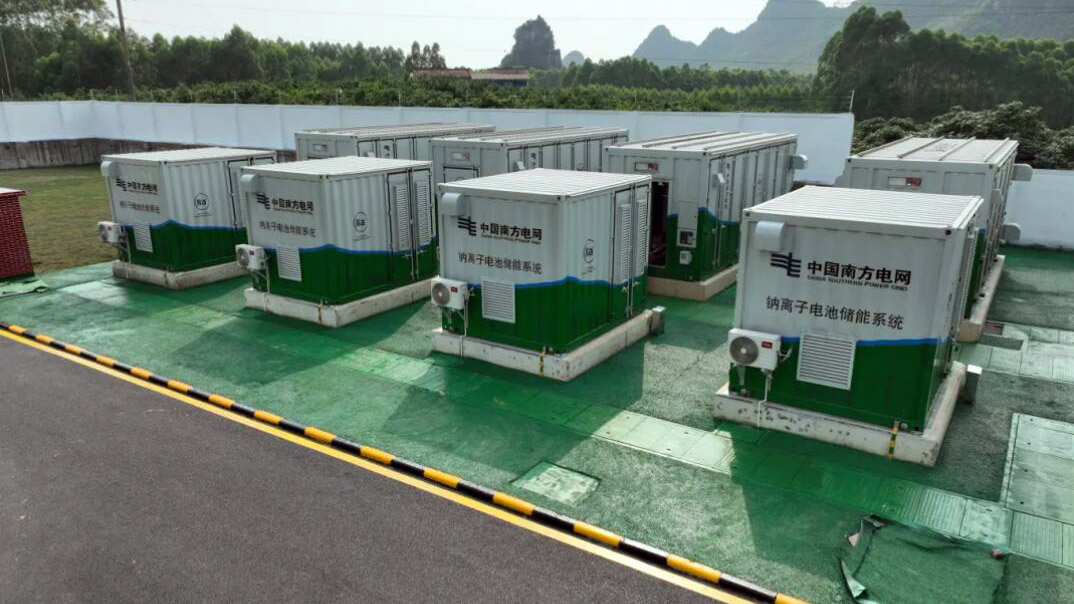
The renewable energy sector has achieved a milestone with the launch of the first grid-level sodium-ion battery energy storage station. This innovative technology demonstrates a leap forward in energy storage, offering a cost-effective alternative to traditional methods. The newly operational facility boasts a remarkable quick charge feature, allowing its sodium-ion cells to reach up to 90% charge in just 12 minutes.
The station’s location in Guangxi marks a significant development in leveraging cheaper sodium-ion batteries for large-scale energy storage. The storage system has an impressive 10 MWh capacity, powered by sodium-ion cells with a 210 Ah rating. The use of sodium in the cathodes, as opposed to the pricier lithium, is a strategic move that capitalizes on the element’s abundance and affordability. As a result, the cost per kWh of electric generation has been substantially reduced to under $0.03.
Although sodium-ion batteries currently have a lower energy density compared to their lithium-ion counterparts, they are finding their niche in specific applications. Their suitability for compact electric vehicles is still under evaluation, but for stationary energy storage purposes, these batteries provide a viable and cost-efficient alternative to lithium iron phosphate (LFP) power stations.
The breakthrough grid-scale energy storage system incorporates over 22,000 cells. Its advanced thermal management solution is tasked with maintaining a consistent core temperature, ensuring that each cell operates within a 3-degree Celsius range of the others. This meticulous temperature control contributes to safety improvements as well: in the event of a thermal runaway, the system is designed to delay a spreading event to two hours, dramatically longer than the thirty minutes seen in previous configurations.
With the real-world implementation of this sodium-ion battery storage station, confidence in the commercial potential of this technology is growing. There are numerous projects in development exploring the use of sodium-ion batteries for energy storage. The successful launch and operation of this station as a component of an official power utility’s resources solidify its place as a promising piece of the clean energy puzzle.
As the energy industry continues to evolve, the introduction of sodium-ion technology may herald a new era in energy storage solutions. By bringing down costs and showcasing the practical implementation of sodium-ion batteries, the prospect of sustainable and affordable energy storage is now a tangible reality. This could lead to a paradigm shift in how energy storage is considered within the power grid landscape, influencing the future of renewable energy integration and management.
The transformation and adoption of new, cost-effective energy storage technologies like sodium-ion batteries can potentially play an integral role in the path towards a greener, more sustainable power infrastructure. With the operational success of the grid-level sodium-ion battery station, it’s clear that the horizon of energy storage is aligning with the ever-increasing demand for clean and efficient energy solutions.