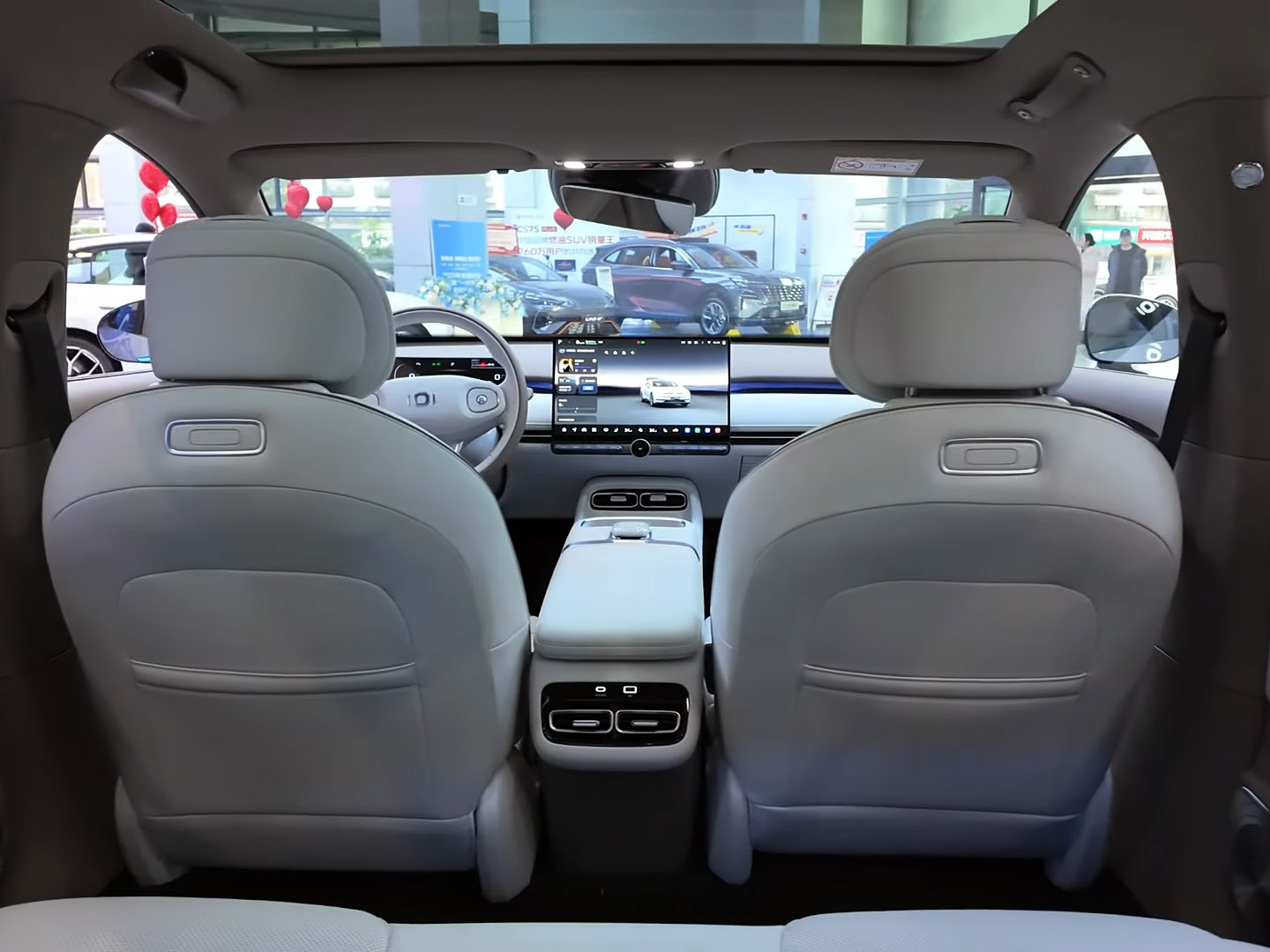
CATL and Changan have officially unveiled what they say is the world’s first mass-production passenger car powered by a sodium-ion battery, marking a major milestone for EV technology and affordability. The announcement follows successful winter testing of the Changan Nevo A06 sedan in extreme Arctic conditions, where it reportedly charged normally at -30°C (-22°F) and continued operating in temperatures as low as -50°C (-58°F). For drivers in cold climates, that kind of real-world performance could be a game-changer.
At the heart of the Nevo A06 is CATL’s Naxtra battery pack, described as the first sodium-ion battery to be certified for passenger vehicles for both safety and performance. Sodium-ion batteries have been gaining renewed attention as lithium prices have swung upward, putting pressure on the cost of popular lithium iron phosphate (LFP) packs used in many mass-market electric cars. By shifting away from lithium-heavy chemistries, sodium-ion technology could help stabilize EV pricing and reduce reliance on more expensive raw materials.
What makes sodium-ion batteries especially interesting is that they’re not just about cost. CATL claims the Naxtra pack delivers energy density and driving range comparable to LFP batteries, while offering major benefits in cold-weather performance. According to the company, the pack can output up to three times more power at -30°C than LFP, and it retains about 90% of its original capacity even at -40°C. In practical terms, that can translate to more consistent acceleration, better charging behavior, and less winter range anxiety—without needing an oversized battery or the convenience of a heated garage.
Safety is another area where sodium-ion batteries are being positioned as a strong alternative. Because sodium-ion cells don’t rely on the same volatile, flammable lithium-based electrolyte found in many battery designs, they can potentially reduce thermal runaway risks. CATL says it subjected the Naxtra battery to extreme abuse testing, including being smashed, drilled, heated, and even cut in half while fully charged, and that it continued discharging without major issues. For consumers, stronger safety performance could become a key selling point as EV adoption grows.
For now, the sodium-ion pack in the Changan Nevo A06 is described as a relatively modest 45 kWh battery, suggesting this first rollout is focused on proving the technology at scale rather than maximizing range. However, CATL has also indicated that higher-range sodium-ion batteries are coming next, including packs targeting roughly 300 miles of driving range for Changan and potentially other automakers as sodium-ion chemistry moves further into the mainstream.
If these claims hold up in everyday use, sodium-ion batteries could become one of the most important EV developments in years—especially for drivers who deal with harsh winters, and for buyers looking for more affordable electric cars without sacrificing safety and reliability.