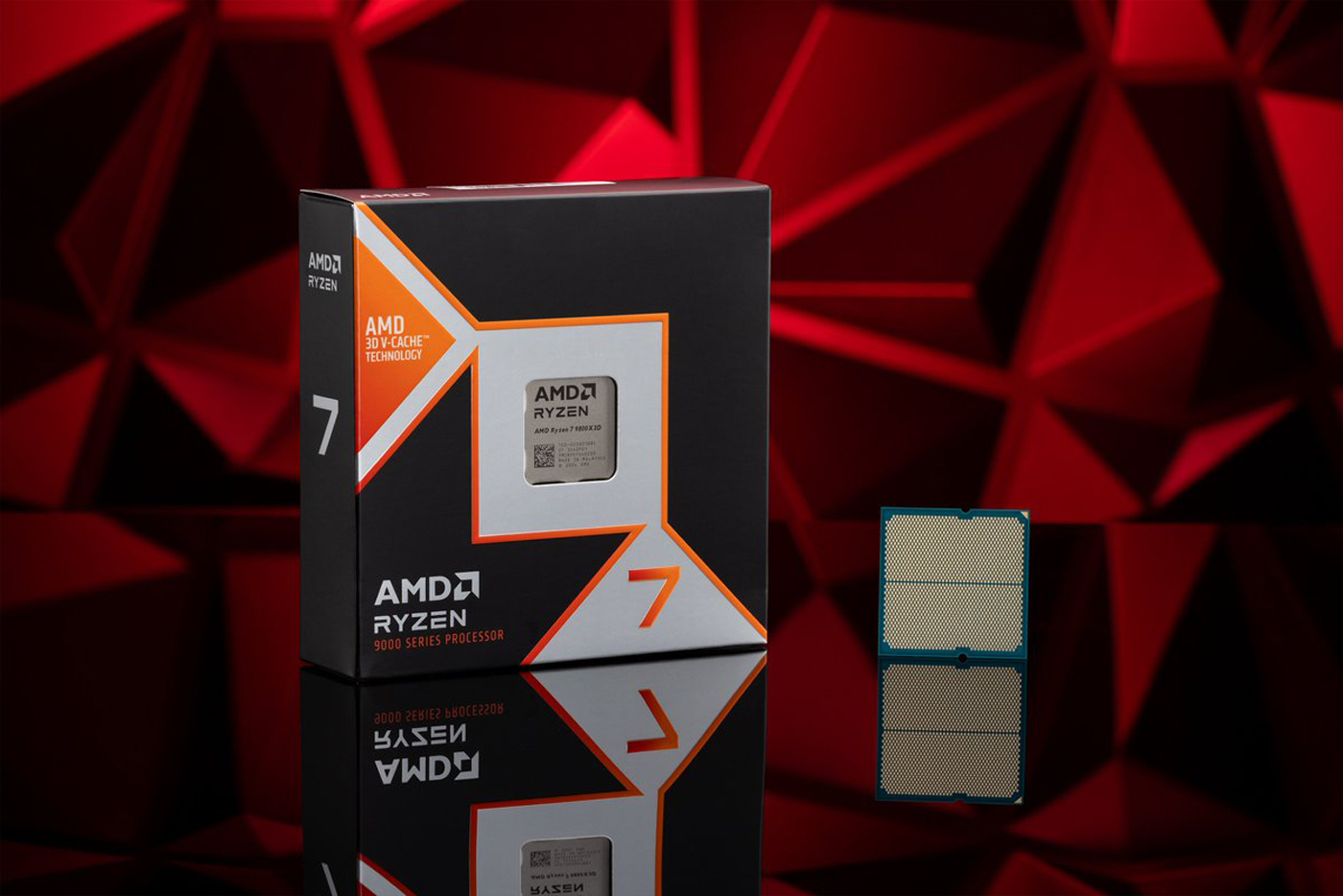
Reports of AMD Ryzen 7 9800X3D CPUs suddenly dying have sparked plenty of चिंता among PC builders, especially as more users post about failures across forums and social media. AMD and motherboard partners have said they’re investigating, and the discussion has widened as similar “dead on arrival” or early-failure claims have also popped up for other Ryzen 9000 chips, including non-X3D models like the Ryzen 5 9600X.
But there’s an important detail that often gets lost in the noise: how often these CPUs are actually being returned compared to other processors. A useful snapshot comes from sales and RMA figures shared from German retailer Mindfactory. While this data doesn’t represent the entire global market, it does offer a real-world look at how frequently customers are requesting RMAs across different CPU models.
Based on the dataset compiled from Mindfactory shipments, the Ryzen 7 9800X3D (boxed version) recorded an RMA rate of about 0.71%. Out of roughly 40,000 units shipped, that percentage suggests the return rate is relatively modest, especially considering the level of attention the failure reports have received. Even more notable is that the 9800X3D’s RMA rate appears broadly in line with other Ryzen 9000-series processors rather than standing out as an extreme outlier.
Within the same Ryzen 9000 lineup, the Ryzen 9 9950X3D shows the lowest boxed RMA rate at around 0.51%. On the higher end, the Ryzen 7 9700X boxed model reportedly saw about 0.85%—still under 1%, and not dramatically different from the rest of the generation. In other words, despite the active conversation around 9800X3D failures, the retailer data suggests it’s not experiencing an unusually high return rate compared to its siblings.
Looking back one generation helps put things in perspective. The Ryzen 7 7800X3D reportedly sits at around a 0.49% RMA rate, while other Ryzen 7000 chips in the same timeframe ranged roughly between 0.75% and 1.05%. These figures indicate that sub-1% RMA rates aren’t uncommon in modern CPU sales data—and that the Ryzen 7 9800X3D’s number, at least in this snapshot, falls into a familiar range.
The contrast becomes clearer when comparing with one of Intel’s most discussed high-end chips. In the same dataset, the Intel Core i9-14900K reportedly shows a far higher RMA rate at around 4.61%. That figure aligns with the widely reported instability and failure concerns that have surrounded the 14900K and related models, making it one of the most returned CPUs in the comparison.
The key takeaway for buyers researching Ryzen 7 9800X3D reliability is that visible failure reports don’t always translate into an unusually high overall return rate. Mindfactory’s numbers suggest the 9800X3D is being RMA’d at a rate comparable to other Ryzen 9000 CPUs, even as AMD continues investigating the root causes behind the reported failures. As always, broader worldwide data would provide a more complete picture, but this retailer snapshot helps add context to the headlines and forum posts.