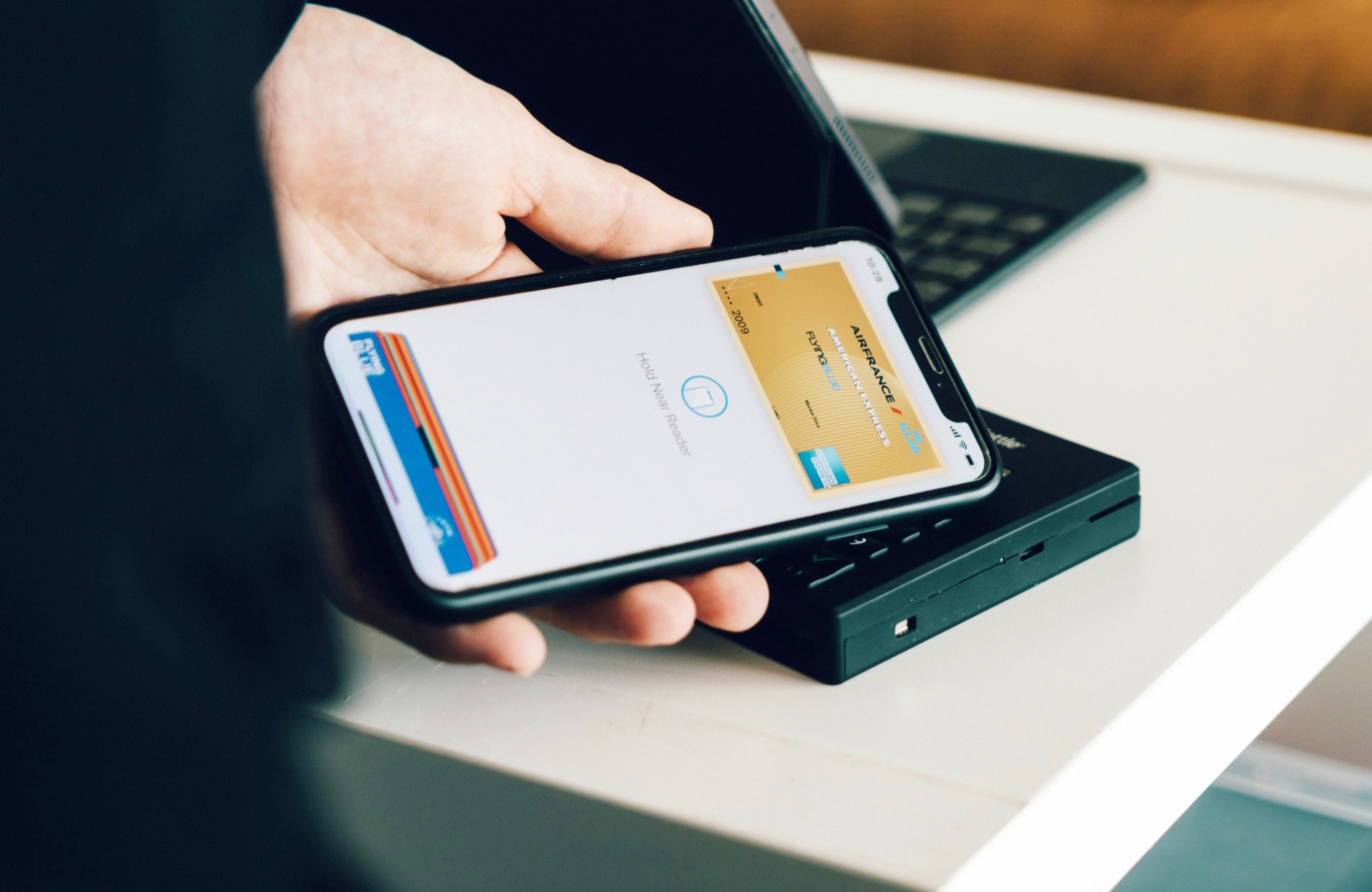
Apple’s movement toward more open technology ecosystems is taking a significant leap forward with the NFC (Near Field Communication) chip on the iPhone. Recognized for its seamless contactless payment transactions through Apple Pay, the NFC chip is now set to broaden its horizons to become a more versatile tool in everyday life.
With the forthcoming iOS update—iOS 18.1—developers will have the opportunity to integrate iPhone’s NFC functionalities within their third-party applications. This remarkable change comes after the European Union Commission highlighted competitive concerns regarding Apple’s restriction on NFC access. The result is an upcoming transformation in the applications for NFC technology.
This innovation means that users of the iPhone could soon start seeing their devices being used as digital keys for their cars, enabling them to lock and unlock without a traditional key or fob. Similarly, hotels can streamline check-in procedures by allowing guests to use their iPhones as room keys.
Public transportation services are another sector poised to benefit. Commuters could seamlessly authenticate their journey tickets for services like trains and subways directly through their iPhones. Additionally, organizations, from corporations to educational institutions, can leverage the enhanced NFC capabilities for secure entry systems and digital identification purposes.
Beyond these examples, NFC technology can extend to loyalty card systems at grocery stores, as digital tickets for events, or even as part of a legal digital identification system such as a driver’s license.
Apple emphasizes security within this expansion by mandating the use of their API for all NFC transmissions. This initiative, incorporating the Secure Element chip, is designed to provide robust protection against unauthorized data access through NFC interactions.
Users can expect a tailored and user-friendly experience, with options to customize their device’s settings, including choosing which app launches when the lock button is double-tapped.
To access these extended NFC functionalities, developers will be required to pay an undisclosed fee to Apple. However, the benefits of this new level of interoperability and convenience could outweigh the costs, both for app creators and iPhone users alike.
With these advances, Apple is significantly enhancing the versatility of the iPhone, reinforcing its role not just as a phone, but as an essential digital tool for modern living. As these capabilities unfold, the potential for NFC technology looks set to unlock a new era of convenience and integration for iPhone enthusiasts around the world.