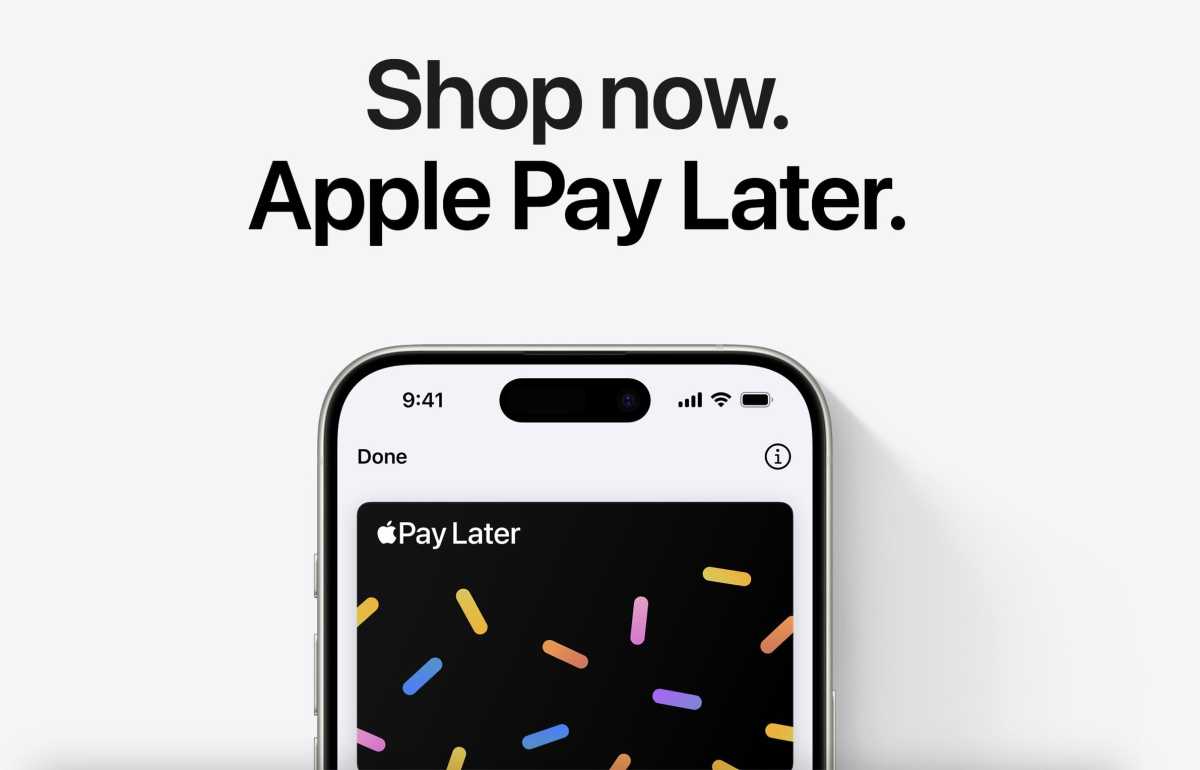
The U.S. Justice Department (DOJ) has directed a critical lens toward Apple’s mobile payment service, Apple Pay, in its broad antitrust lawsuit targeting Apple’s business practices with the iPhone. The DOJ’s allegation centers on the notion that Apple’s command over tap-to-pay transactions is not only stifling competition within digital payment services but also hindering innovation in the sector. This in turn consolidates Apple’s monopoly and leverages it to yield billions in revenue.
Apple Pay has been the subject of regulatory scrutiny such as the 2020 European Commission’s antitrust investigation. The tech giant offered some concessions in January 2024, where it agreed to permit third-party access to its Near Field Communication (NFC) technology. This would potentially allow third parties to create their own tap-to-pay services that bypass Apple’s proprietary solutions, although the offer remains under evaluation.
While the European Union recently imposed a fine on Apple for other antitrust violations, the DOJ has honed in on Apple’s tap-to-pay strategy in the United States. The controversy shines on Apple’s imposed fee of 0.15% on transactions made via Apple Pay, translating to significant profits and reflecting Apple’s long-term vision of digital wallets becoming an everyday utility. The DOJ asserts that Apple’s exclusive control over tap-to-pay payments via NFC technology on iPhones inhibits other companies from developing alternative wallet applications or utilizing the tech in innovative ways.
Furthermore, the DOJ raises concerns regarding the range of potential applications for Apple Wallet, to go beyond financial transactions to become a super app for various services like shopping, keys, transit, and more. This would collect a trove of user data under Apple’s domain, reinforcing the company’s market position and smartphone sales.
The DOJ points out that if third-party developers were allowed to create cross-platform wallets, it could facilitate easier user transitions away from the iPhone ecosystem. Such accessibility would enable financial institutions to provide their own digital wallets without sharing data with Apple or other third parties.
Apple Pay is not only a component of the company’s services revenue but also a key player in the broader financial ecosystem, having enabled nearly $200 billion in U.S. transactions in 2022. Despite Apple’s reasoning that Apple Pay has added value by streamlining the purchasing process, the DOJ emphasizes the substantial transaction fees and the limits placed on competition and innovation in the market.
On the flip side, companies like Google and Samsung, in comparison to Apple, do not impose fees on transactions made using their payment apps, as noted by the DOJ. This creates an important contrast in the market landscape regarding how tech giants are contributing to or hindering financial market evolution.
In response to the DOJ’s concerns, it could be anticipated that Apple will defend Apple Pay’s mechanism as a facilitator of increased transaction volumes. Nevertheless, the DOJ has showcased its commitment to challenging practices it considers anti-competitive, with Apple’s grip on tap-to-pay transactions being the latest in the spotlight.
Conversational Step-by-Step Guide: Ensuring Fair Competition in the Digital Wallet Space
If you’re engaged in the digital wallet or mobile payment industry, consider the following suggestions to stay competitive and compliant in a market influenced by giants like Apple:
1. **Stay Informed**: Keep up with the latest regulatory developments such as the DOJ actions and EU investigations into digital payment practices.
2. **Innovate Responsibly**: Work on developing innovative payment solutions that also prioritize user privacy and data security.
3. **Broaden Your Horizon**: Explore cross-platform technologies that ensure your digital wallet can serve users across various smartphone ecosystems.
4. **Advocate for Equality**: Support initiatives or legal regulations that aim for fair competition in the financial technology field.
5. **Focus on User Experience**: Ensure that your services are user-friendly and add tangible value to the customer, encouraging loyalty and user retention despite the allure of integrated solutions like Apple Pay.
6. **Collaborate and Partner**: Form strategic partnerships with financial institutions, tech providers, and other stakeholders to strengthen your position against larger monopolies.
By following these steps and keeping consumer interests at the forefront, companies can challenge the dominance of larger entities and promote a more equitable and innovative digital wallet market.


