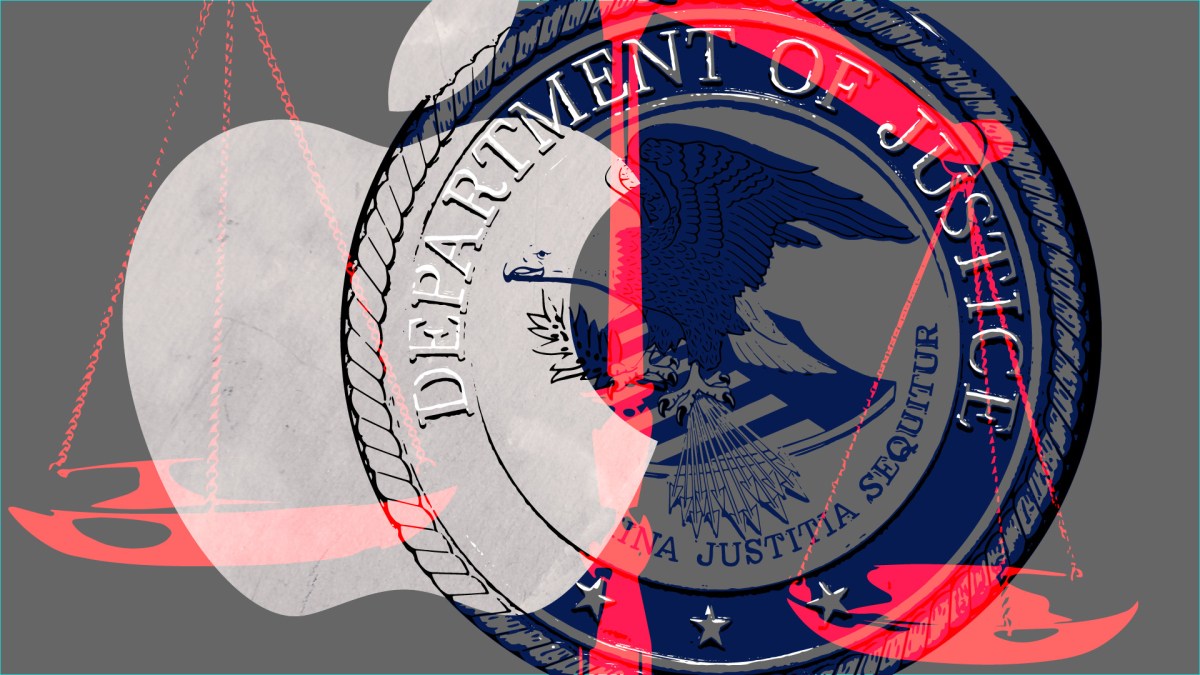
The world of technology is abuzz with the latest legal challenge faced by Apple. The U.S. Department of Justice (DOJ) has brought forth an antitrust lawsuit against the tech giant, alleging monopolistic practices that stifle competition and confine iPhone users within its ecosystem. Let’s dive into what this case involves, its potential impacts on the industry, and what could unravel as developments continue.
The DOJ’s Accusations Against Apple
The DOJ’s complaint against Apple outlines several key areas where Apple is accused of suppressing competition:
1. **Super Apps**: The lawsuit addresses Apple’s constraints on multi-functional applications that could potentially decrease reliance on iPhones. This mirrors similar concerns linked with aspirations for universal apps by high-profile industry figures.
2. **Messaging**: Apple’s iMessage and the notorious “blue bubble” phenomenon are criticized for making it less enticing for iPhone users to switch to competitors. The DOJ points out the significant market share Apple holds among certain demographics, including a majority among teenagers.
3. **Cloud Streaming Gaming**: The case brings attention to Apple’s resistance to cloud-based gaming services, which might allow users to forgo purchasing high-end hardware for gaming purposes.
4. **Digital Wallets and NFC Payments**: With Apple Pay, Apple takes a nominal fee from transactions. However, the DOJ’s issue is not with the fee itself but with how Apple Pay’s dominance over payment systems within Apple devices may obstruct competitors.
5. **Smartwatch Compatibility**: Lastly, the DOJ argues that Apple Watch’s restricted compatibility with non-iOS devices dis-incentivizes customers from considering other smartphone options.
Apple’s Counter-Arguments
Apple swiftly responded with a comprehensive defense, emphasizing the selective use of metrics by regulators that portray Apple’s market strength as more dominant than perceived. The company argues that conceding to the DOJ’s demands could stifle innovation and negatively affect users who expect seamless integration across Apple’s hardware, software, and services.
The Broader Industry’s Stance
Industry responses have been mixed. Some app developers, including members of the Coalition for App Fairness—a group that includes companies like Epic Games and Spotify—have extended their support to the DOJ. They argue the lawsuit is a step toward rectifying Apple’s control over app distribution and the higher prices and fees that come with it.
What Lies Ahead for Apple’s Antitrust Case
Resolution of this lawsuit is not imminent. Legal proceedings of this magnitude are drawn out, as evidenced by the ongoing antitrust case against Google initiated in 2020. Comparisons to the Microsoft case of the 1990s can be made, but the landscape today is different, and the definition of market dominance is less clear cut.
Conclusion and Future Implications
While the initial announcement of the lawsuit may create a whirlwind of reactions and hypotheses, the litigation process will ultimately determine its outcomes. The technology industry, regulatory bodies, and consumers alike are poised to feel the repercussions of this case, regardless of its final verdict.
Keeping abreast of this lawsuit is essential for industry professionals and consumers, as its development could portend significant shifts in how tech giants operate and how digital markets are managed.
Be sure to stay updated on this pivotal case and its cascading effects on the tech industry as the situation unfolds.