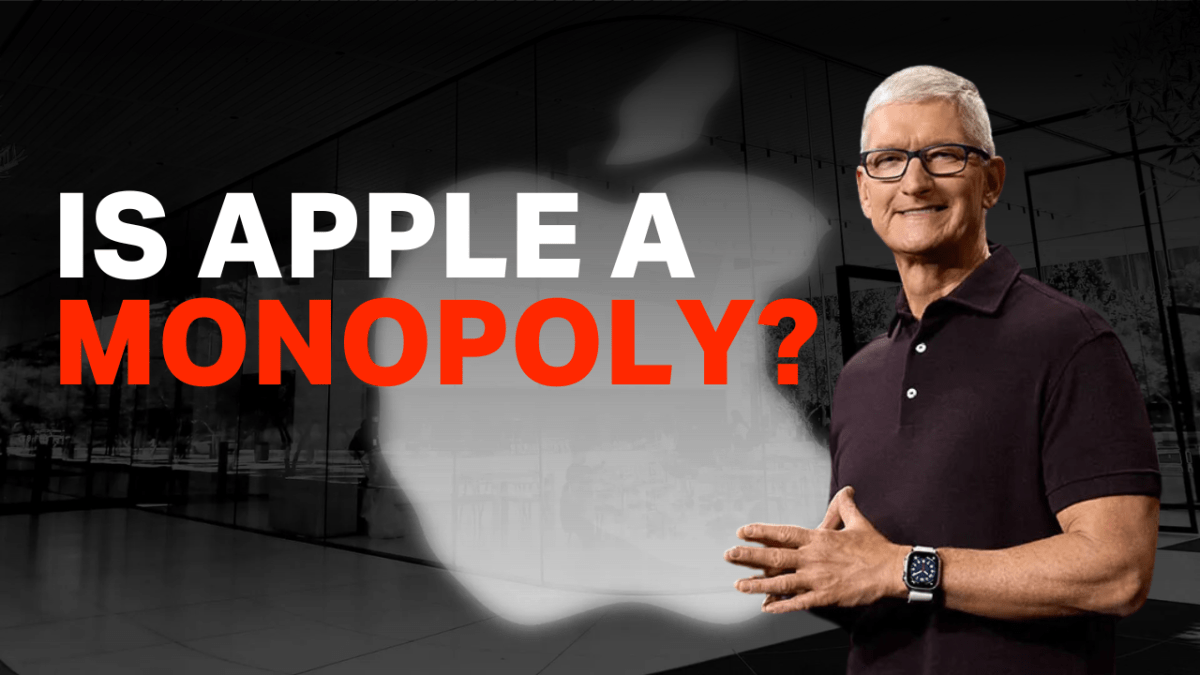
Apple Inc. is currently facing a significant legal challenge as the U.S. Department of Justice (DOJ) has filed an antitrust lawsuit against the tech giant. The DOJ is not taking on this battle alone; it has garnered the support of fifteen states and the District of Columbia. This legal action stems from accusations that Apple has engaged in monopolistic practices within the smartphone market, which could potentially extend to areas like consumer messaging, smartphones, and smartwatches.
The implications of this lawsuit are extensive, potentially affecting millions of consumers and reshaping major segments of the tech industry. The core argument revolves around how Apple conducts its business and whether its practices unfairly hinder competition, thus limiting choices for consumers.
Apple, as expected, rejects the claims made in the lawsuit and is prepared to defend its business practices. The unfolding courtroom drama is the latest peak in ongoing global scrutiny faced by tech giants, with regulatory bodies increasingly eager to apply antitrust laws to protect competition and prevent the dominance of any single player in the market.
This lawsuit has attracted various reactions, including support from several corners of the tech industry. For instance, the Coalition for App Fairness—a group that includes major names like Epic Games and Spotify—has voiced approval for the DOJ’s actions. This signifies a broader trend where smaller companies and competitors are backing such antitrust measures as they strive for a fairer playing field.
Analyzing this lawsuit provides a window into the complexities of market competition, regulatory challenges, and the balance of power between governments and multinational corporations. It also stirs up discussions about consumer rights and how tech users are directly influenced by the outcome of such legal encounters.
As the legal proceedings unfold, the tech community, legal experts, and consumers will be watching closely to understand the implications for the industry’s future. It is worth noting that tech companies have a history of fierce defense against antitrust accusations, so this encounter promises to be a landmark in the ongoing saga between technology firms and regulatory authorities.
Understanding the nuances of this case requires keeping abreast of developments in the courtroom and beyond. As the situation evolves, continue to look for informative updates and expert analysis to stay informed. The resolution of this case could set new precedents for how antitrust laws are applied to the tech industry, making its outcome crucial not just for Apple, but for the global market at large.