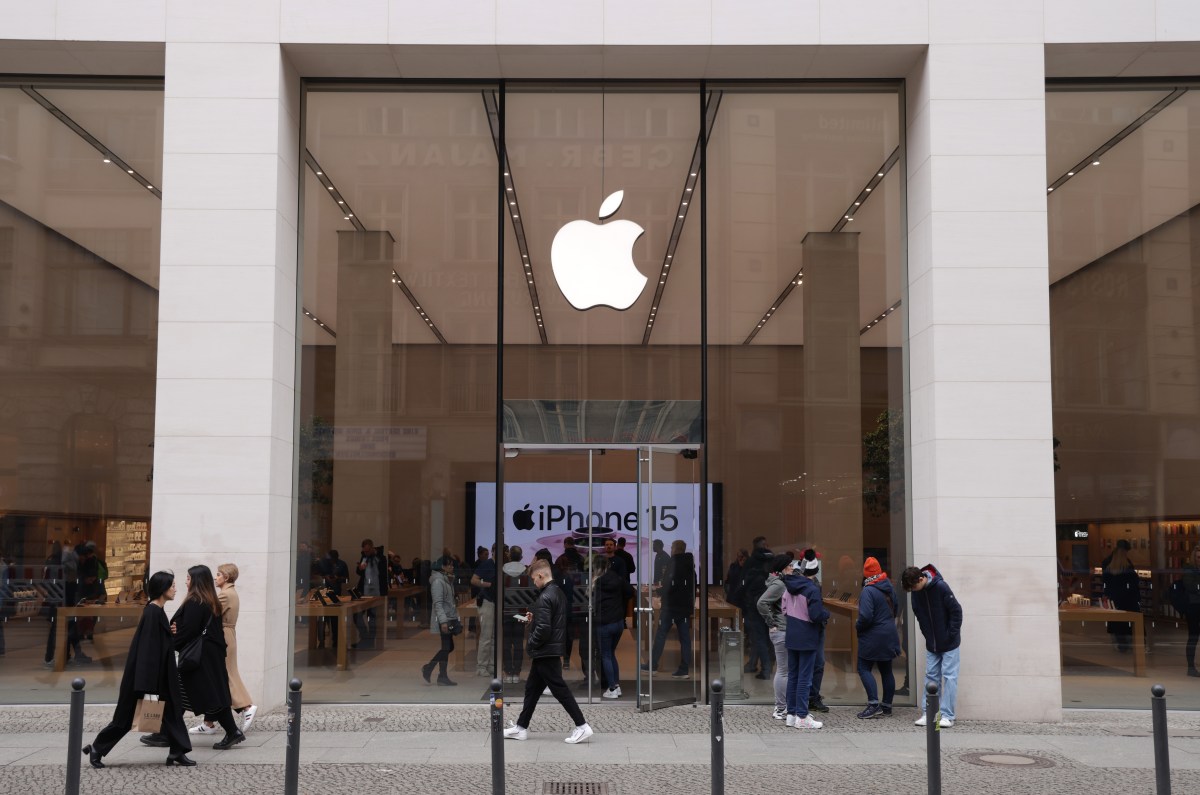
Apple’s App Store has come into conflict with the European Union’s regulations, as the European Commission announces preliminary findings indicating that the App Store’s current terms and conditions may violate the Digital Markets Act (DMA). With the DMA aiming to foster fair competition and innovation within digital markets, confirmed offenses could lead to significant penalties, including fines up to 10% of a company’s global annual revenue.
The issue at the heart of this dispute revolves around the right for third-party developers to inform customers about alternative purchasing options without incurring a fee. As it stands, developers are currently unable to promote different pricing models or alternative distribution methods within their apps on the Apple App Store. Although Apple has conceded slightly by allowing developers to link to their websites, the European Commission deems that the conditions and restrictions still excessively hinder these links.
As per the provisions laid out by Apple, developers who steer users to their website for transactions are required to disclose sales to Apple and pay a commission, sparing only a 3% fee for payment processing. Apple asserts that it remains vigilant in complying with the DMA following constructive dialogue with developers and the European Commission. Furthermore, Apple anticipates that the vast majority of developers will continue paying the same, if not lower, fees under the newly proposed business terms.
An additional cause for concern is the European Commission’s decision to investigate the introduction of Apple’s Core Technology Fee (CTF) and the facilitation of alternative app marketplaces. With the updated App Store terms, European developers are presented with the option to stick with the standard agreement or embrace new conditions that allow for the distribution of apps beyond the App Store, albeit with a €0.50 fee per app installation after reaching a million downloads.
While Apple has modified the CTF to exclude free non-commercial apps and granted a grace period of three years for upcoming developers who achieve their first million downloads, the European Commission is keen to assess whether these adjustments satisfactorily align with the DMA’s requirements.
The user experience involved in downloading third-party app stores in the EU, marked by a series of steps and warnings, is also under scrutiny. This journey includes navigating error messages, adjusting settings, and confronting alerts about potential risks associated with using third-party app stores. The investigation will evaluate the alignment of these navigation hurdles with the DMA’s rules.
Margrethe Vestager, the Executive Vice President of the European Commission for competition policy, expressed her concerns about Apple’s new business model potentially dissuading developers and consumers from exploring the opportunities provided by the DMA. She emphasized the DMA’s intention to enable alternative app stores on platforms and to inform consumers transparently about the availability and conditions of apps, ensuring users have the freedom to choose their preferred app sources.
In response to the preliminary findings, Apple now has the opportunity to formally address the concerns in writing to the European Commission. The ultimate verdict will be delivered within one year from the onset of the formal investigation, presenting Apple with a window to negotiate further adjustments to its App Store policies to potentially dodge a sizable penalty.