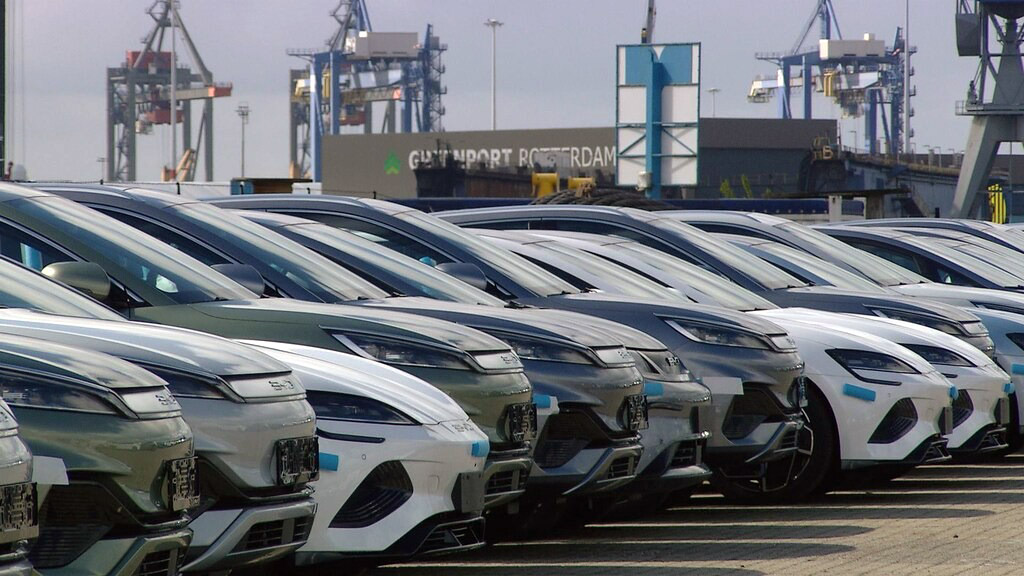
The European automotive market is experiencing a significant shift in its import policies, particularly affecting electric vehicles (EVs) from China. European shores have seen an influx of Chinese electric and hybrid cars as the country aims to mitigate its domestic oversupply and boost exports. The leading EV manufacturer, BYD, enhanced its efforts to distribute its products globally, even acquiring dedicated shipping resources for overseas deliveries.
This expansion coincided with scrutiny from the European Commission (EC), which conducted an inquiry into accusations of unfair practices and questionable governmental assistance in Chinese automobile production. This investigation has concluded with a notable outcome: the imposition of a 38% import tariff on vehicles from the conglomerate SAIC, including the MG brand. The penalty stems from SAIC’s non-cooperation with the probe into subsidies.
Furthermore, BYD has been charged a 17% import duty for compliance, while Geely faces a 20% tariff. These new tariffs add to the already existing 10% import fee within the EU, effectively neutralizing BYD’s pricing edge and promoting fair competition within the market. Despite this, Europe’s tariffs are relatively modest compared to the United States’ more stringent duties on Chinese EV imports.
Tesla may gain an edge from these tariffs, particularly for its locally produced vehicles like the Model Y made in its Berlin Gigafactory. Despite not being part of the subsidy investigation, Tesla has sought preferential tariff conditions. In a market that saw 440,000 EV imports from China within a year, the new duties could certainly bolster Tesla’s position in the EU market.
The pricing of Chinese EVs in Europe is further impacted by additional taxes and costs. For example, the BYD Seal U, which retails for around $23,000 in China, is nearly twice as expensive in Europe. While still somewhat more affordable than a Tesla Model Y, the levied 20% tariff could sway consumers towards Tesla unless BYD absorbs the tariff cost. BYD’s strategy might accelerate its plans to establish EV and battery production facilities within Europe to circumvent these tariffs.
In summary, the new tariffs imposed by the European Union are reshaping the competitive landscape for EV manufacturers, potentially benefiting companies like Tesla with European manufacturing facilities. The shift hints at a growing trend in the global automotive industry to balance trade and promote local production amidst increasingly competitive markets for electric vehicles.