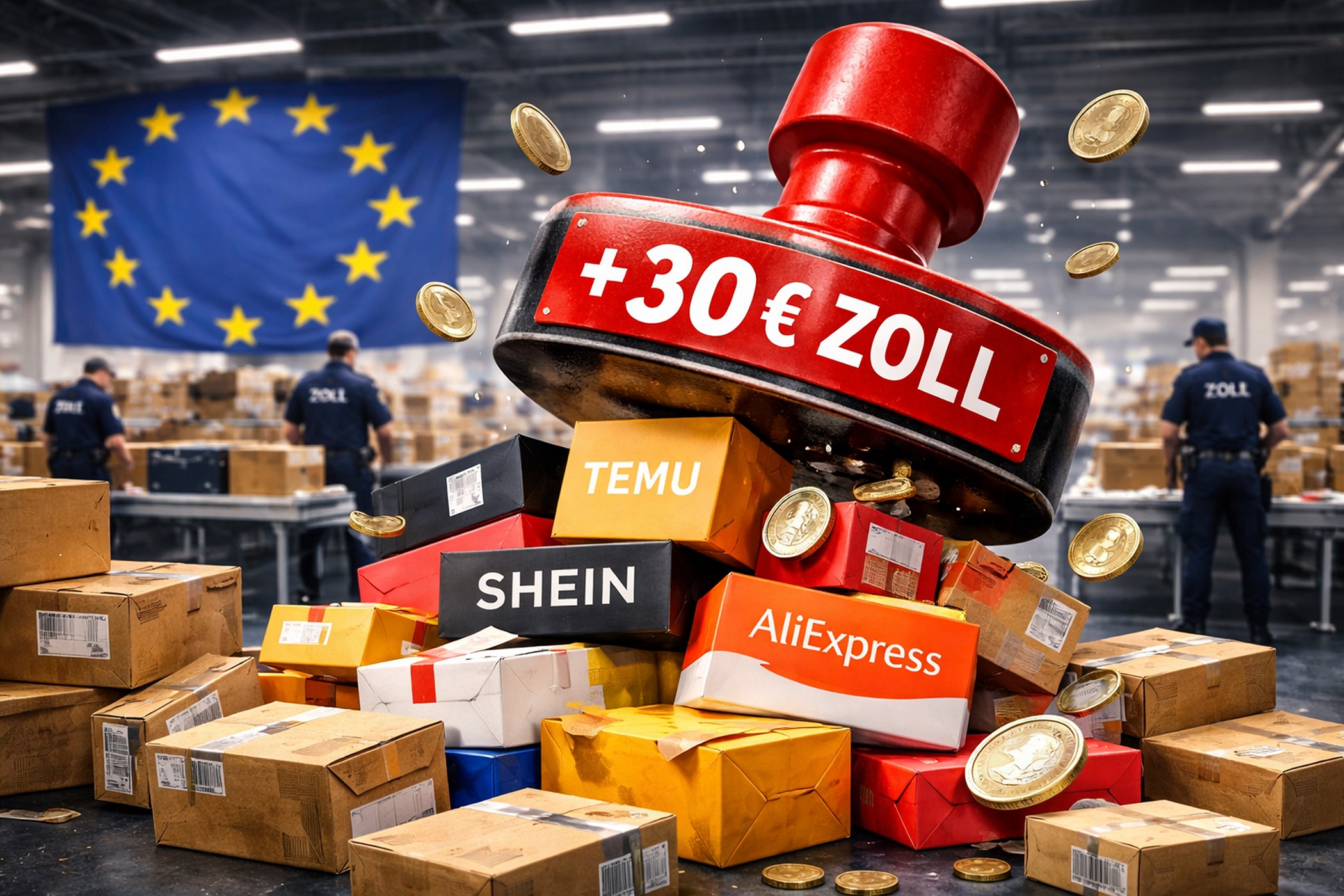
Shopping apps like Temu, Shein, and AliExpress have built their popularity in Europe on one simple promise: ultra-low prices delivered straight from China, often with minimal extra charges. That bargain era is about to change. The European Union has approved a major customs reform that will end the long-standing duty-free threshold and introduce new fees that can make “cheap” orders far more expensive than many shoppers expect.
The biggest shift is the removal of the €150 duty-free limit. In its place, the EU will introduce a temporary flat-rate customs tariff starting July 1, 2026. At first glance, the number sounds harmless: €3. But the key detail that many people miss is how that €3 is applied.
This is not a one-time €3 fee per parcel. Under the new rules, customs duties will be calculated per category of goods within the same shipment. In other words, a single package containing multiple types of items can trigger multiple charges.
The EU’s own example makes the impact clear. If someone orders one silk blouse and two wool blouses in a single parcel, those items fall under different tariff subheadings. Result: the buyer pays €6 in customs duties for that one package, not €3.
For everyday shopping carts, this structure can quickly turn into a cost trap. Mix a few common Temu or Shein items in one order—say electronics, T-shirts, and home décor—and each product category can add another €3 charge. Stack enough categories, and what looked like a tiny fee can climb toward €30 in additional customs duties, depending on how many different product types are inside the parcel.
And the changes don’t stop there. From November 1, 2026 at the latest, the EU plans to add a separate processing fee for small shipments coming from outside the EU. The exact amount hasn’t been confirmed yet, but it will be an additional cost on top of the category-based customs duties.
To make sure the new system is enforced, the EU also intends to place more responsibility directly on the platforms. Marketplaces and sellers operating through them will effectively be treated as importers, meaning they’ll be expected to handle customs obligations and formalities rather than leaving it all to postal systems and end customers.
Brussels says the reform is a response to the sheer scale of incoming low-value parcels. The EU Commission reports that about 4.6 billion small parcels entered the European market in 2024, and 91% of them came directly from China.
For shoppers, the takeaway is simple: ordering “a bunch of small cheap items” in one cart may no longer be the smartest way to save money. Once customs charges are applied per goods category—and a separate processing fee is added—impulse bargain hauls could end up costing far more than expected in the EU from mid-2026 onward.