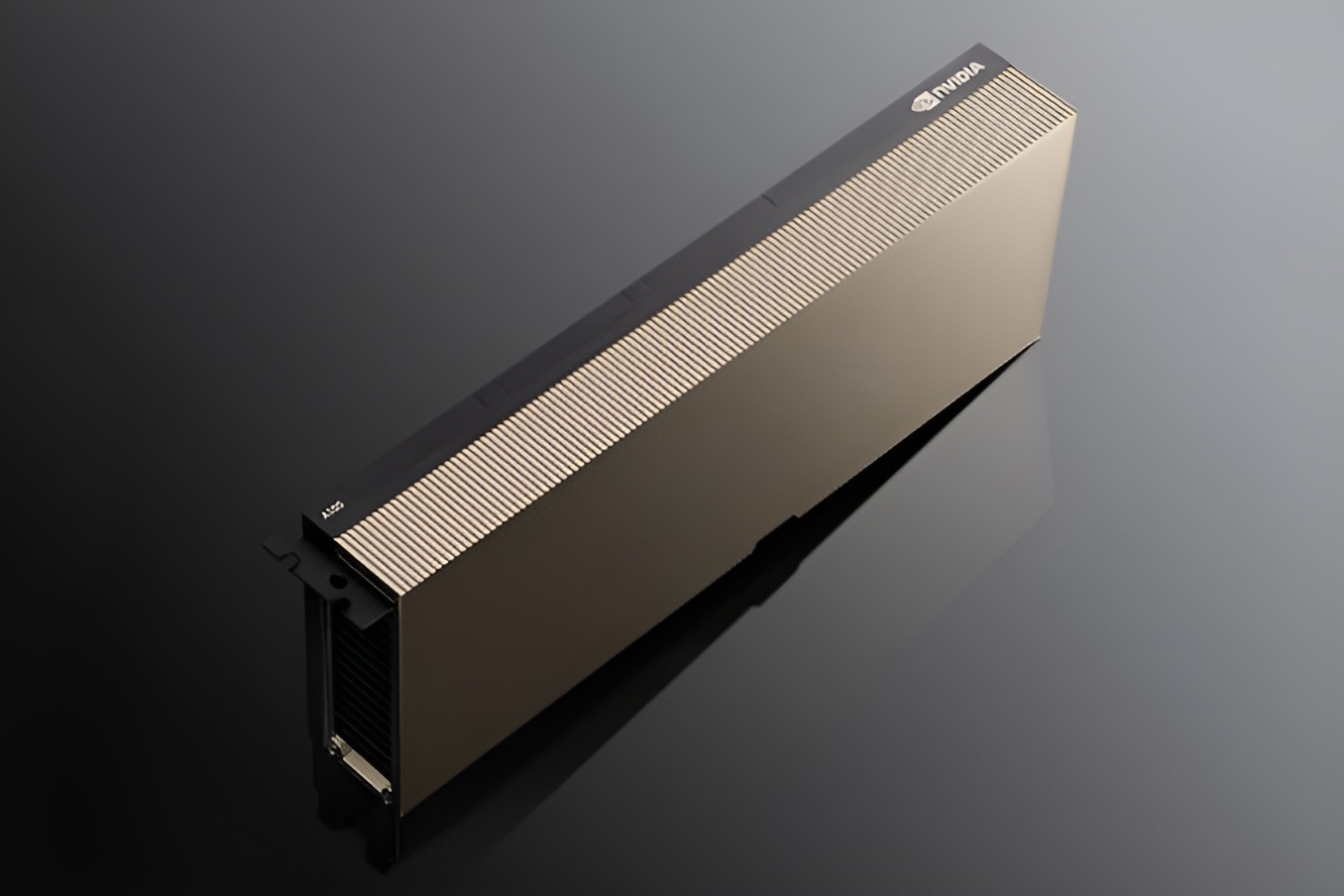
Emerging from Chinese marketplaces are new variants of NVIDIA’s A100 GPUs that boast higher core counts than their initially released counterparts, capturing the attention of tech enthusiasts and industry professionals alike. These graphics cards are not just novel discoveries; they represent significant improvements over the original specifications and have intriguing implications for the artificial intelligence and computing landscape.
NVIDIA’s Upgraded A100 GPUs: A Closer Look
The NVIDIA A100 graphics processing unit, based on the Ampere architecture, originally came in two configurations: 40 GB and 80 GB models. These high-performance GPUs were designed with 6912 CUDA cores to handle demanding tasks in computation, artificial intelligence, and high-performance computing environments.
However, recent findings have unveiled A100 variants with an impressive 7936 CUDA cores, which accounts for a 15% increase in core count compared to the previous models. The significant bump in CUDA cores not only points towards increased computational capabilities but also raises questions about their origin and purpose.
Enhanced Memory and Performance
In addition to the increased core count, these newly identified A100 GPUs come equipped with 96 GB of HBM2E high bandwidth memory, incorporating a 6144-bit bus interface. This configuration suggests six stacks of memory, each with a 16 GB capacity, directly packaged on the GPU — diverging from traditional GDDR-based memory found in consumer graphics cards.
While the base clock speed of these GPUs is documented at 1260 MHz, reports have not revealed the boost clock. Yet, performance estimates suggest approximately 20 TFLOPs (teraflops) of single-precision computing power and 10 TFLOPs for double-precision tasks, which overtakes the performance metrics of the A100 PCIe 80 GB models available.
Design and Connectivity
According to images provided, the hardware is presented in a PCIe format and bears the hallmarks of a prototype unit initially engineered for the GRID system. The graphics card design features three 8-pin power connectors and houses a large GPU beneath an extensive integrated heat spreader (IHS). The structure and aesthetic of the card solidify its non-consumer orientation and its specialized use-case scenarios, primarily in professional and enterprise environments.
Market Presence and Availability
While there’s speculation about these GPUs being tailored for specific clientele prior to their appearance in the retail space, confirmed details remain scarce. The emergence of these GPUs, allegedly produced in 2020, has also been signaled by their listings on various online platforms, commanding steep prices that reflect their rarified status and powerful specifications.
Implications and Considerations
The discovery of enhanced A100 GPUs with previously unseen core counts suggests several market dynamics at play. It prompts discussions about the distinct needs of NVIDIA’s enterprise and data center clients, potential custom solutions that may exist, and how surplus or special editions of high-end hardware can find their way into broader market circulation.
For professionals in high-performance computing fields or enterprises seeking advanced computational resources, these findings illustrate the dynamic nature of the GPU market. They highlight the importance of staying informed about product variations that could impact computing workloads and the potential for acquiring powerful, albeit non-standard, hardware solutions.
As the tech community continues to examine such developments, these insights underscore the necessity for diligence and awareness when selecting GPUs for intensive tasks, along with an appreciation for the evolving landscape that can occasionally bring such unique products to unexpected places.