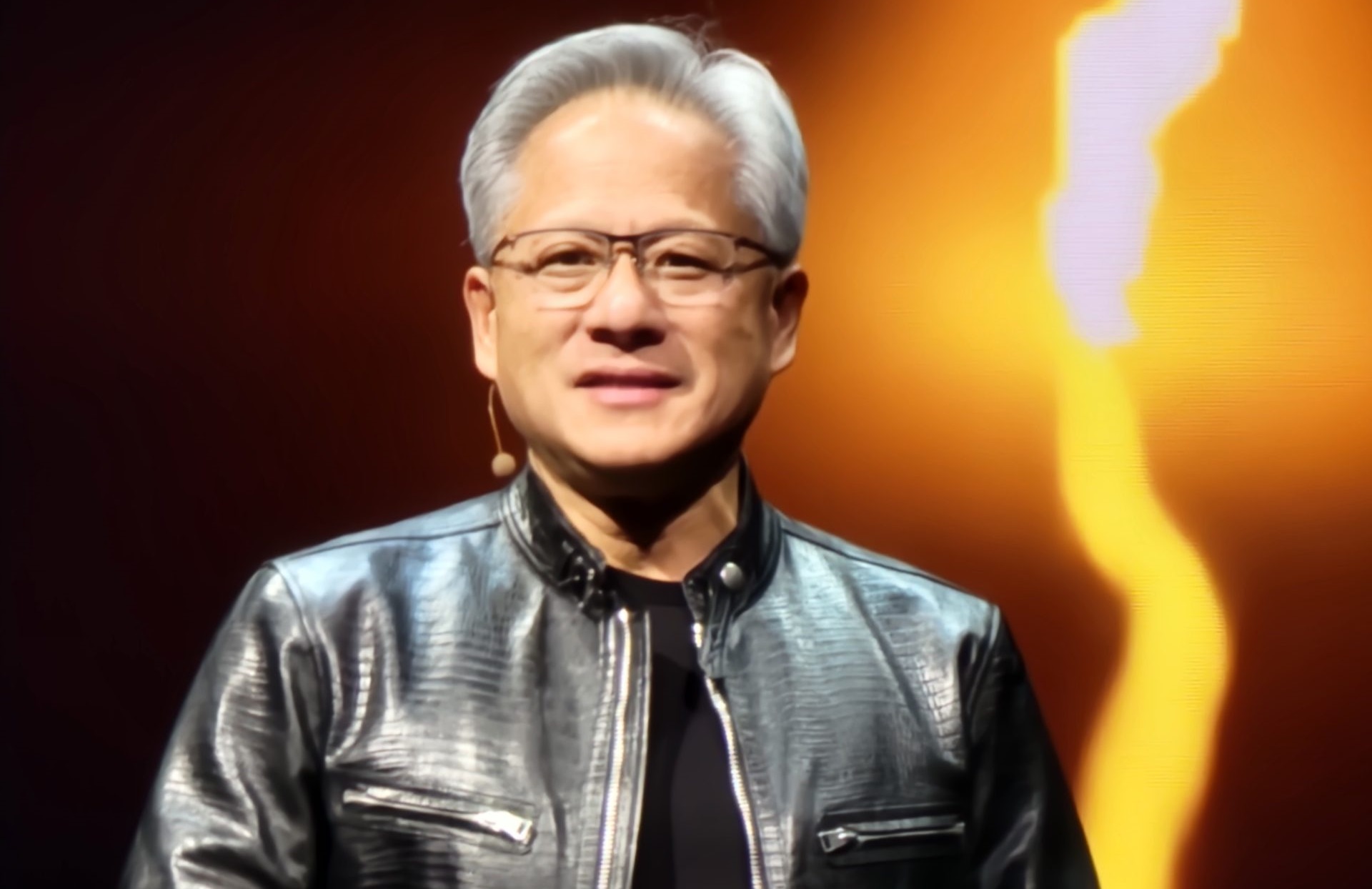
During the Computex 2024 event in Taiwan, NVIDIA captivated the audience with a keynote speech by CEO Jensen Huang, revealing significant advancements in artificial intelligence (AI) and graphics processing units (GPUs). Targeting an eventual $100 trillion IT industry, NVIDIA showcased its latest developments, intending to hold its dominant position in the future of AI.
NVIDIA’s Vision for a High-Performance Computing Future
Jensen Huang highlighted NVIDIA’s role in providing the essential computational power to drive technological innovation. Emphasizing “computing inflation,” Huang pointed to the increasing demand for more sophisticated computing capabilities to handle the growing data and complexity of AI tasks. His vision for the emergence of a new computing age underscored the expectation that AI could push industry valuations to unprecedented heights.
RTX AI PC Platform Achievements and Enhancements
Surpassing expectations, NVIDIA showcased significant improvements in its RTX AI PC platform, demonstrating remarkable AI performance gains across the GPU lineup. RTX 40 series desktop GPUs now boast a range from 242 TOPS at the entry-level up to a staggering 1321 TOPS at the higher end, dwarfing current NPU capabilities.
The integration of Microsoft’s Windows Copilot Runtime with NVIDIA’s RTX GPUs highlighted a significant leap forward, promising enhanced and more responsive AI experiences on Windows-powered devices. This enhancement is expected to revolutionize modern AI PCs with a noticeable boost in AI performance.
Developer-Focused Innovations with NVIDIA RTX AI Toolkit
NVIDIA did not overlook developers, announcing the NVIDIA RTX AI Toolkit, engineered to support the construction of AI-centric applications. This suite features tools and SDKs for model customization, optimization, and deployment, including QLoRa, TensorRT Model Optimizer, and TensorRT Cloud. The toolkit will enable developers to deploy their models four times faster and in three times smaller packages, ensuring an optimized development workflow.
The NVIDIA AI Inference Manager (AIM) SDK was introduced to further empower the development community, offering services focused on enhancing the AI application development side.
NVIDIA’s Advanced Edge AI with ACE Updates and NIMs
NVIDIA provided updates on its ACE platform, introducing dedicated NIMs—dedicated inference microservices tailored for edge AI applications on ACE models. These developments have solidified NVIDIA’s position as a forerunner in pushing the boundaries of AI computing into the future.
Engaging the Gaming Community with Project G-Assist
Gamers have not been left out of NVIDIA’s spotlight. The announcement of the Project G-Assist, an RTX-powered AI gaming companion, generated excitement as NVIDIA explores how AI can enhance the gaming experience. Project G-Assist will interact with users via voice or text, analyze gameplay, and provide valuable in-game assistance, from completing missions to optimizing settings.
Further catering to the gaming sector, NVIDIA also introduced guidelines for “SFF-Ready Enthusiast GeForce Cards,” paving the way for more efficient incorporation of powerful GPUs into compact and mini-PC builds, accommodating a maximum size of 304x155x50mm for compliance.
The Next-Gen Rubin GPU Architecture: A New Era on the Horizon
NVIDIA concluded the keynote with the grand revelation of their next-gen GPU architecture, codenamed Rubin. Named after venerable American astronomer Vera Rubin, this new GPU line will initiate mass production by the final quarter of 2025, with the market launching expected in 2026, and an ultra version to follow in 2027.
Aiming to deliver unparalleled performance figures, the Rubin R100 GPUs are designed with a 4x reticle size using TSMC’s advanced CoWoS-L packaging and the innovative N3 process node coupled with next-gen HBM4 memory.
In wrapping up the coverage of NVIDIA’s Computex 2024 keynote, it’s evident that NVIDIA’s strategic initiatives are set to continue its legacy of leadership in AI innovation. With the steps laid out for the future, the tech industry anticipates the ripple effects these advances will have, not only on competitors but on the evolution of computing itself.