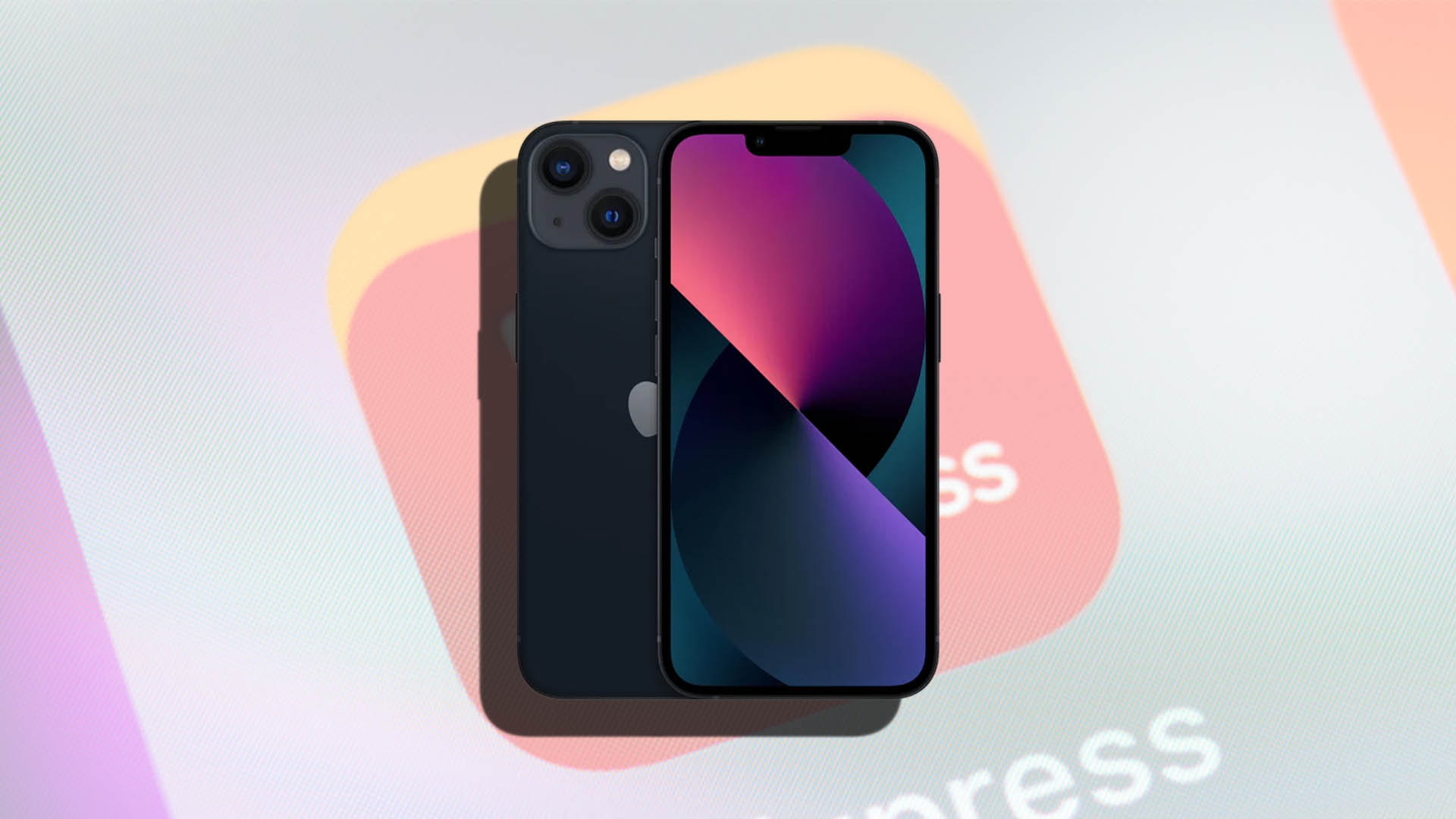
Building an iPhone 13 from spare parts sounds like a tech fantasy, but one resourceful Reddit user proved it can be done—if you’re willing to accept trade-offs, navigate supply chain hurdles, and roll the dice on parts sourcing.
According to the post, the DIY build relied entirely on components purchased from AliExpress and resulted in a fully functional iPhone 13 missing only two non-critical software features: True Tone and battery health monitoring. While the build showcases what’s possible with persistence, it also highlights why Apple’s ecosystem and security protections make this kind of project unpredictable and risky.
What the DIY iPhone 13 did and didn’t include
– The phone booted and worked normally using an A15 Bionic logic board, housing, Face ID module, battery, metal shields, and other small parts.
– Because the display and battery were not original to the device, True Tone was unavailable and the system didn’t report battery health—common limitations when mixing non-genuine parts.
– The builder credits repair tutorial videos from a popular phone repair channel for guidance.
Cost, time, and part pairing in iOS 18
– Total parts cost: about 460 NZD (roughly 260 USD).
– Costs could have been around 100 NZD lower if the logic board and Face ID weren’t a matched pair.
– The post claims that in iOS 18, genuine parts can be paired, but mixing unmatched components remains tricky. If one paired component fails, replacing it with a random unit may not work.
The biggest hurdle: avoiding an iCloud-locked logic board
– The key to the entire project was finding an A15 Bionic logic board that wasn’t iCloud locked.
– Even with careful shopping and seller reviews, the Redditor emphasized that success here often comes down to luck.
A tough truth about sourcing parts
– The poster suspects many of the parts originated from a disassembled device with a murky past.
– In this case, the original owner had apparently wiped the phone and removed their account before the device was broken down, allowing the logic board to be reused.
– That detail matters: an iCloud-locked board is essentially unusable, and the ethics and legality of buying questionable parts should give anyone pause.
Should you try building an iPhone 13 from parts?
Proceed with caution. While the end result here was impressive, there are serious caveats:
– Risk of unusable parts: An iCloud-locked board cannot be activated. There’s no guaranteed way to verify this before buying from unofficial marketplaces.
– Feature limitations: Expect the loss of True Tone, battery health reporting, and potential warnings about non-genuine parts.
– Compatibility headaches: Face ID and logic boards are tightly linked. Even in newer software, pairing depends on genuine and compatible components.
– Time and skill: The build took about four hours, likely with prior tinkering experience. Beginners should expect a steeper learning curve.
– Ethical and legal concerns: Parts may come from dubious sources. Always consider local laws, buyer protections, and the right-to-repair landscape in your region.
Bottom line
This DIY iPhone 13 build proves it’s technically possible to assemble a working device from third-party parts, but it also underscores how Apple’s hardware security and parts pairing make success far from guaranteed. If you’re tempted by the cost savings, weigh them against the risks: limited features, potential incompatibilities, and the ethical questions around where these components come from. For most people, certified repairs, refurbished devices, or official replacements remain the safer and more reliable path.