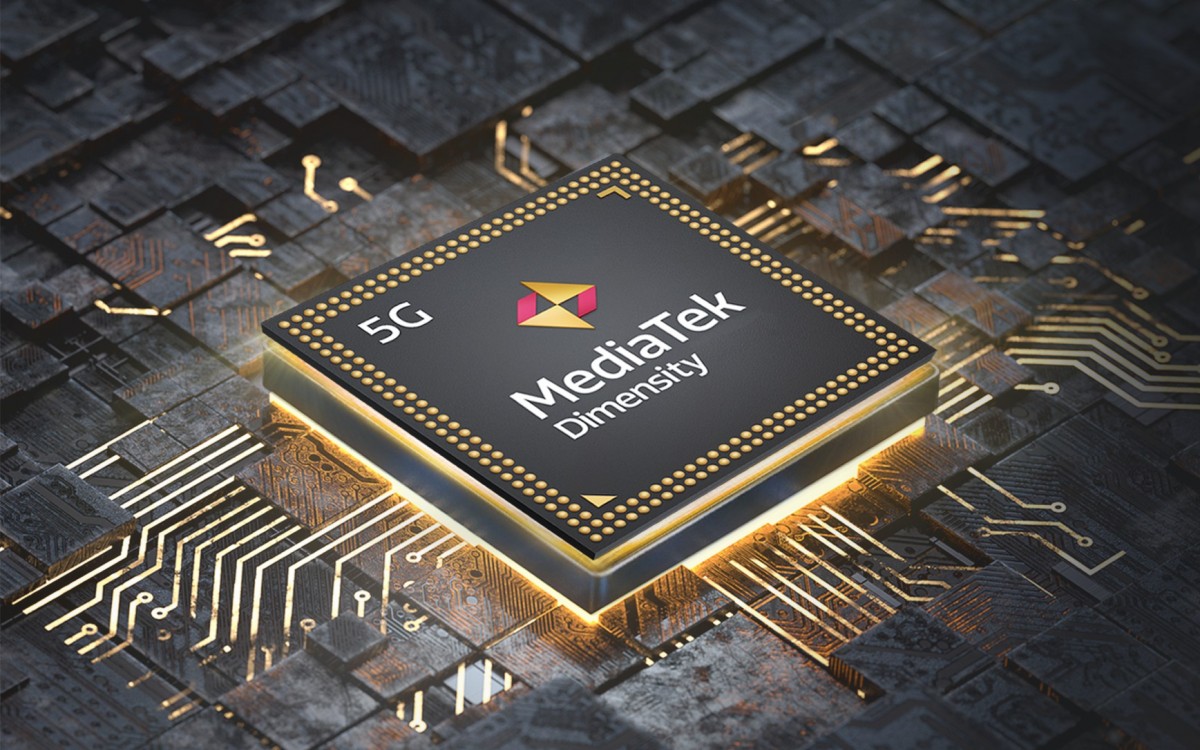
MediaTek is set to make waves next month with the much-anticipated release of the Dimensity 9400 chipset. This launch coincides perfectly with our expected first peek at Qualcomm’s Snapdragon 8 Gen 4. Excitement is building, especially given the recent GFXBench Aztec Ruins 1440p benchmark leak, which showcases some jaw-dropping results.
The leaked benchmarks highlight the Dimensity 9400’s astounding performance. Astonishingly, the new chipset not only surpasses Apple’s A18 Pro by a significant margin but also takes a lead over the M4—one of the fastest SoCs on the market, according to Geekbench 6 results for both single-core and multi-core performance. This unexpected development could have significant implications for the competitive landscape of mobile chipsets.
What’s more intriguing is the smaller performance gap between the Dimensity 9400 and the Snapdragon 8 Gen 3 when compared to the A18 Pro. This observation suggests that the GFXBench Aztec Ruins 1440p benchmark might favor Android chipsets, potentially skewing results.
The upcoming Dimensity 9400 is expected to feature a powerful ARM Mali-G925 Immortalis GPU with 12 cores. A reputable source, Digital Chat Station, recently shared the chipset’s GFXBench performance. The results are impressive: the Dimensity 9400 achieved a remarkable 134 FPS on high graphics settings, totaling 8,591 frames.
In comparison, Apple’s fastest iPhone chip, the A18 Pro, hits 72 FPS, as previously reported. This 86% improvement in speed is noteworthy. Furthermore, MediaTek’s new powerhouse even outperforms Apple’s M4—a desktop-class silicone powering the latest iPad Pro models—by reaching 127 FPS. Although it’s unclear whether the M4 reference pertains to the 10-core or 9-core variant, the significance of Dimensity 9400’s performance remains.
Interestingly, the source suggests that the Snapdragon 8 Gen 3 is also faster than the A18 Pro in the same benchmark, reinforcing the idea that the benchmark may be more favorable to Android chips.
However, it’s essential to take these early results with a grain of caution. A single benchmark can’t definitively determine the superiority of a chipset. Different tasks may reveal strengths and weaknesses for each. Furthermore, the power consumption of the Dimensity 9400 during the benchmark isn’t known, meaning it could have operated without any power constraints—an unrealistic scenario in typical device usage.
To grasp the full scope of the Dimensity 9400’s capabilities, we’ll need more data and comprehensive testing. Until then, this initial glimpse promises an exciting future for MediaTek’s latest offering. Stay tuned for more updates as we gather additional insights.