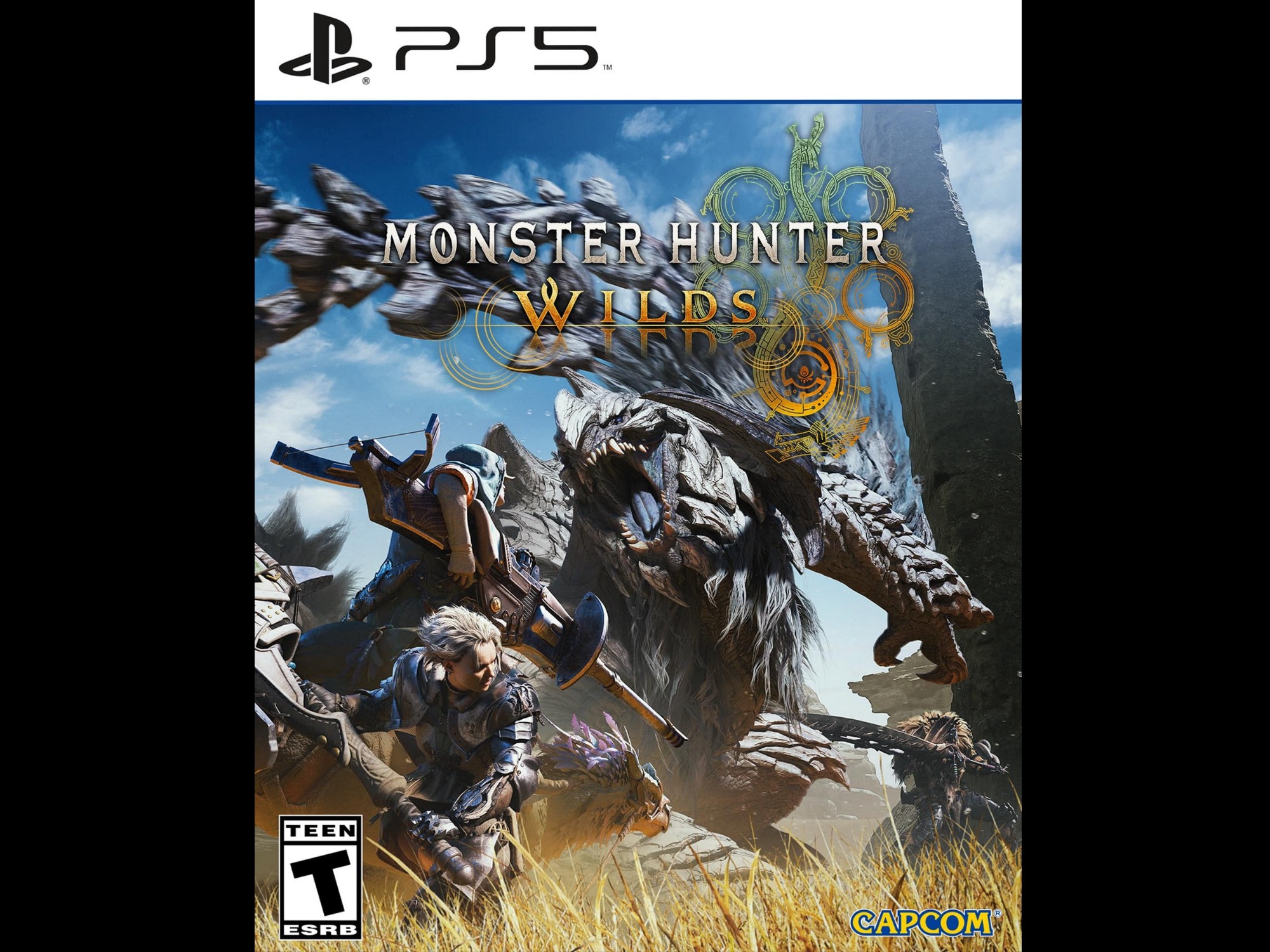
Monster Hunter Wilds is set to make waves as it gears up for its official release on February 28. Gamers are buzzing with excitement, but the journey hasn’t been entirely smooth for this highly-anticipated title. The expansive maps and formidable monsters in Monster Hunter Wilds put significant stress on both the PS5 and Xbox Series X, leading to some performance challenges.
During the open beta phase, players expressed concerns about the game’s performance, noting pixelated textures and muted lighting that seemed to give it a last-generation appearance. However, Capcom was quick to reassure fans that these issues were based on an earlier build, promising better optimization for the final release.
With the countdown to launch rapidly approaching, Digital Foundry has delivered an in-depth technical analysis of the game’s PS5 and Xbox versions. Their findings reveal that, while Monster Hunter Wilds features breathtaking complex environments, the overall sharpness could use improvement, occasionally leaving it with a dated look.
Despite these mixed results, Oliver Mackenzie highlighted the game’s expansive open-world feel as a standout feature. The maps come alive with an endless ecosystem of creatures and flora, providing a deeply immersive experience for players. Animations for both hunters and monsters meet expectations with their realistic depictions.
Digital Foundry’s evaluation included various graphical modes: Prioritize Resolution, Balanced, and Prioritize Framerate. Each mode generally maintains its target framerate, with the Framerate mode offering the smoothest gameplay and a 60fps cap. However, players might notice blurry textures, which could make the 30fps or 40fps modes more appealing for those preferring better visual quality.
Graphical fidelity seems to fall short of its full potential, particularly on the PS5, where the absence of low framerate compensation causes occasional hiccups. Interestingly, VRR on the Xbox Series X offers smoother performance, making it a better option for those prioritizing seamless rendering. Mackenzie also critiqued the game’s inconsistent lighting effects, where certain elements appear striking under sunlight, while other parts of the maps remain dim and grainy.
While some fans may be concerned about these graphical imperfections, the game has indeed improved significantly since its beta version. Although Monster Hunter Wilds may not reach the heights visual aficionados had hoped for, the vast expanses and intricate monster designs promise an experience that fans of the series will be eager to dive into.


