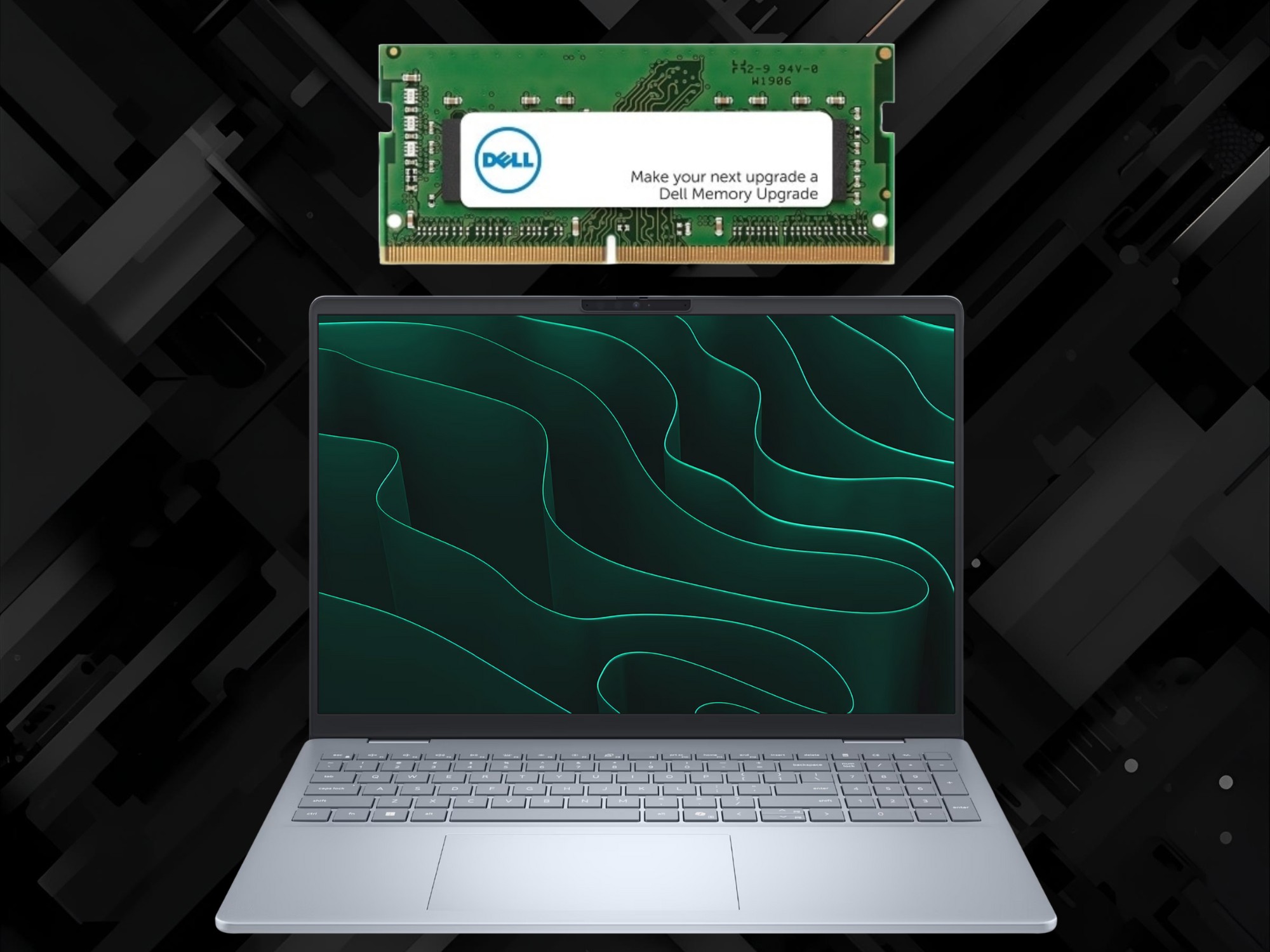
A wave of higher DDR5 RAM prices could soon change what “mid-range” laptop buyers can expect, and not in a good way. According to a new industry outlook from TrendForce, major PC makers such as Dell and Lenovo may increase the number of notebooks shipping with just 8GB of memory in order to keep retail prices from climbing too fast.
That shift matters because 8GB RAM is increasingly a budget-level spec in 2025 and beyond. While it may still be workable for light web browsing and basic productivity, it can struggle once you add heavier multitasking, large spreadsheets, modern office suites, creative apps, or games. In practical terms, shoppers could end up paying mid-range money for performance that feels noticeably more entry-level.
Why more mid-range laptops may come with 8GB DDR5
The core issue is simple: DDR5 memory is getting more expensive, and that cost pressure is squeezing laptop configurations. Many buyers have already noticed that RAM upgrades aren’t the bargain they used to be. Some manufacturers have raised the price of moving up to 16GB or more, making certain “deals” less attractive than they appear at first glance.
With component costs rising, laptop makers have two main options: raise prices across the board or cut specs to hit familiar price points. TrendForce suggests that reducing memory in popular mid-range models could become the go-to compromise—especially on systems that used to feel like the sweet spot for value.
The result could be a worse price-to-performance ratio: laptops that still cost “mid-range,” but no longer deliver the same smooth everyday experience people expect from that category.
Premium laptops get pricier, budget laptops have less room to cut
TrendForce also points out that higher-end business and gaming laptops equipped with 32GB or 64GB DDR5 memory may see inflated MSRPs as the pricing surge rolls through the market. At the other end, budget laptops can’t easily drop lower than 8GB without risking a poor Windows 11 experience. Cut too far, and even basic tasks can start to feel sluggish.
There’s also a design problem: many modern thin-and-light laptops use soldered memory. If a model is built around a fixed RAM configuration, manufacturers can’t simply swap parts to create alternative versions without redesigning the hardware. That makes quick changes harder, especially for ultrathin notebooks.
Software optimization becomes more important as RAM gets tighter
If more laptops arrive with 8GB RAM, optimization will matter more than ever. Buyers are already urging manufacturers to reduce preinstalled bloatware and background processes. Still, some of the heaviest memory use comes from the operating system itself. Windows has steadily become more demanding over time, and that trend becomes more painful when entry-level memory becomes common again in higher-priced laptops.
When could laptop prices and specs shift?
The full impact may not hit every laptop lineup immediately. TrendForce suggests the biggest pricing effects could spread more widely by the second quarter of 2026. Some brands may have enough component inventory to delay changes, while others might temporarily absorb costs to stay competitive—at least until the situation becomes impossible to ignore.
More than laptops are affected
DDR5 shortages and price increases aren’t happening in isolation. TrendForce ties the pressure to massive demand from AI data centers, which are consuming large volumes of memory. The ripple effects could extend beyond laptops, with smartphone makers also expected to adjust their component strategies and inventory planning.
What this means for shoppers
If you’re shopping for a “mid-range” laptop, it may soon be more common to see 8GB DDR5 models positioned as mainstream choices rather than bargain-bin options. For anyone who wants smoother multitasking and longer-term usability, checking whether the RAM is upgradeable—and budgeting for 16GB or more—could become a much bigger part of choosing the right laptop.


