DDR5 RAM prices are starting to cool off, and the biggest signs of relief may be coming from Asia. While shoppers in the U.S. and Europe have recently spotted modest dips and frequent price fluctuations, new market tracking points to much steeper retail drops in China. If that trend spreads, PC builders and upgraders elsewhere could see better deals in the weeks ahead—though analysts warn the current slide may not last.
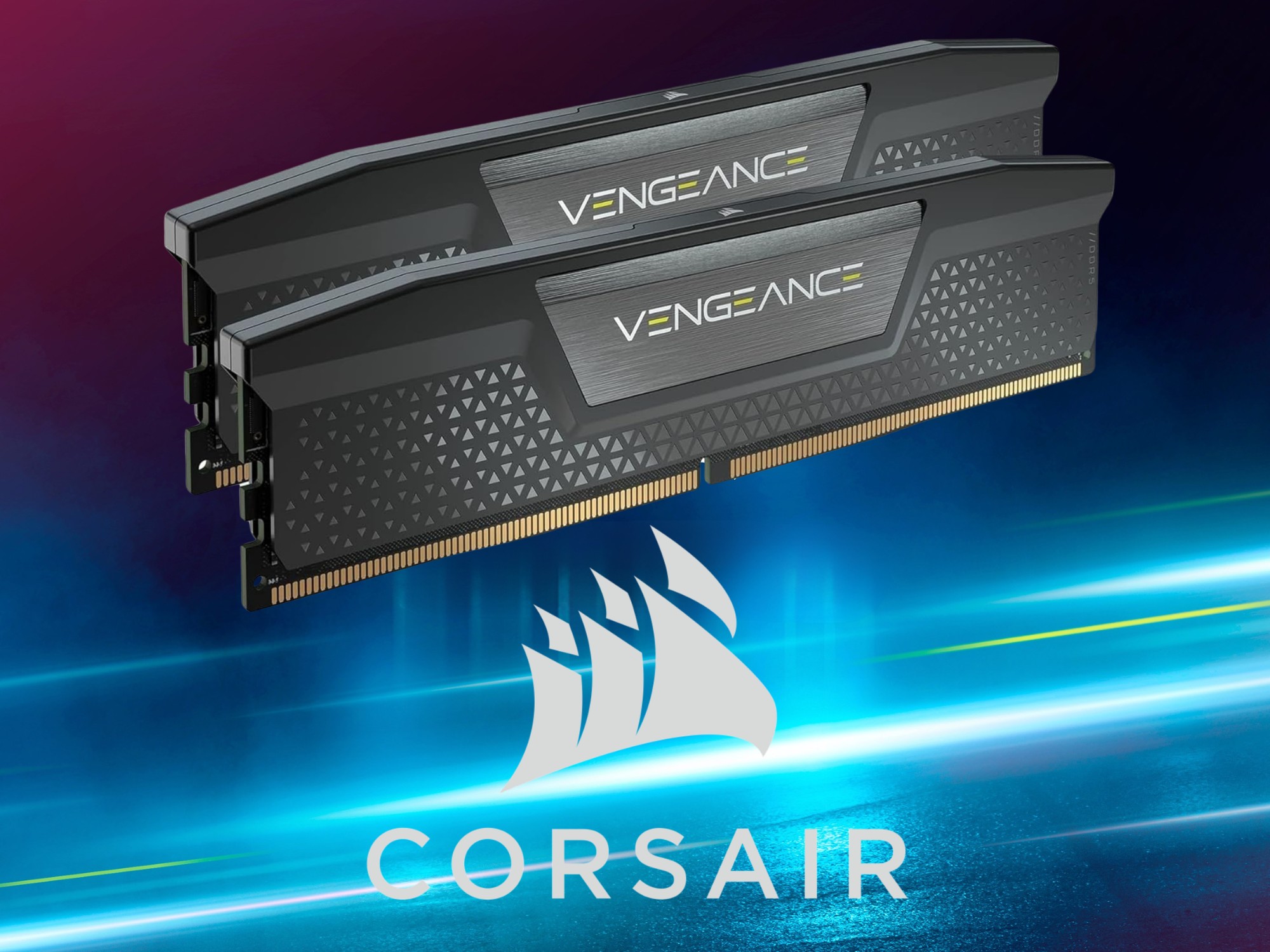
In recent weeks, DDR5 memory pricing has looked less punishing than it did earlier in the year. Some popular kits have briefly hit their lowest points in months, giving budget-conscious buyers a reason to watch for sales. One notable example: a Corsair Vengeance 32GB DDR5 kit was seen dropping to $379.99 during a recent sale period, marking a noticeable improvement compared to its pricing in prior months.
The more dramatic shift, however, is happening in China’s retail market. According to TrendForce’s findings, 16GB DDR5-5600 and DDR5-6000 modules from well-known brands have fallen roughly 25% to 30% from their recent highs. The decline isn’t limited to smaller sticks either. A 32GB module reportedly dropped from around CNY 3,000 to CNY 1,950—about $283 after a rough conversion. For many buyers, that kind of correction feels like the first real “normalization” of DDR5 pricing in a long time.
Even with those retail declines, the biggest DRAM makers don’t appear to be panicking. Recent stock movement for major chip names has dipped, but industry chatter suggests suppliers are not seeing the kind of collapse that would force immediate pricing changes across the board. Taiwan-based sources cited in the report claim contract prices from major memory suppliers have remained stable, which matters because long-term contract pricing often reflects the real health of the market more than short-term retail swings.
A key reason pricing pressure hasn’t vanished is that consumer PC demand is no longer the main force behind the memory market. The real driver is AI. Advanced models running in data centers consume enormous volumes of memory, especially High Bandwidth Memory (HBM), which is crucial for modern AI accelerators. Multi-year, fixed-price agreements—often tied to large-scale customers in the AI ecosystem—help give suppliers predictable demand and reduce the impact of short-lived retail changes.
Still, there are a few developments giving shoppers hope that memory could become more affordable. One is the shifting narrative around major AI buyers. Earlier rumors suggested a massive scramble for global supply, with one high-profile AI company allegedly seeking an extremely large share of total output and being blamed for tightening availability. Newer reports now suggest those orders may be scaling back compared to earlier discussions, which could ease some pressure if it plays out broadly.
Another factor capturing attention is Google’s TurboQuant, an AI optimization approach that’s said to reduce overall DRAM and HBM usage. If AI workloads can achieve similar performance while using fewer memory resources, that could eventually soften demand growth. The catch is that AI models also tend to expand quickly in size and complexity, which could absorb any efficiency gains and keep memory consumption climbing anyway.
For now, TrendForce characterizes the latest DDR5 price drops as a consumer-driven, short-term adjustment rather than the start of a sustained market downturn. The next big question is whether these retail declines—especially the sharp corrections seen in China—will spread to other regions and hold long enough to meaningfully change DDR5 upgrade and PC build costs. Buyers looking to upgrade may want to keep a close eye on weekly pricing, since the best deals could appear suddenly and fade just as fast.