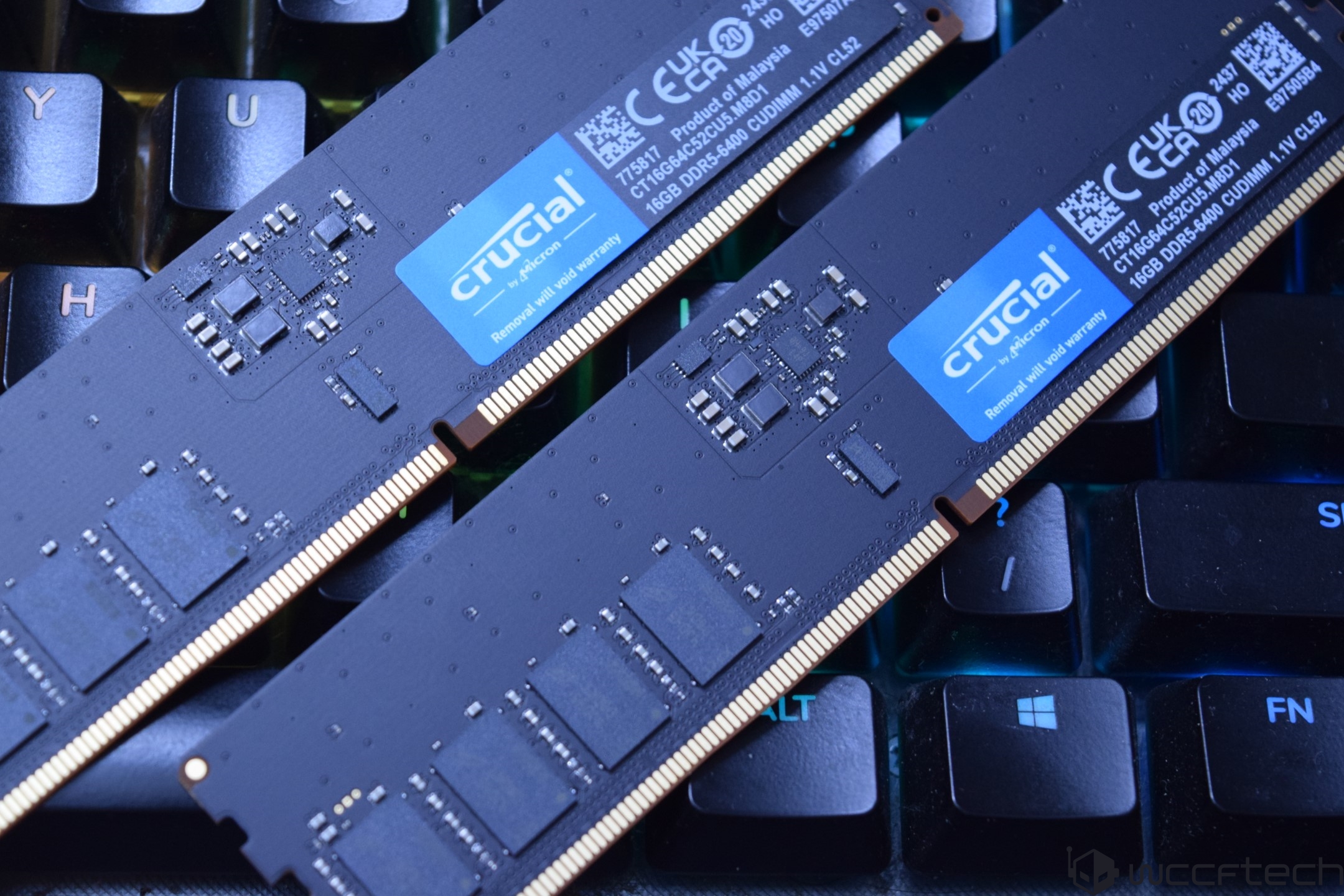
DDR5 memory prices just hit a new peak, and the sting is real for gamers and PC builders. Over the past few months, the cost of popular 16 GB and 32 GB kits has doubled as surging AI demand chokes supply across both consumer and enterprise markets.
The spike began in late summer, when early forecasts pointed to a 30% bump. Since then, the climb has only accelerated—first to roughly 80%, then past 170% on some DDR5 and DDR4 products. Today, many DDR5 kits cost about twice what they did not long ago.
Real-world examples show how quickly things escalated. A 64 GB DDR5 kit that sold for around £255 in May 2023 now sits near £495. One retailer recalls moving a 32 GB DDR5-7600 kit for just $70 a few months back; now even lower-end DDR5-6000 options are hovering around $400. Historical outliers from early DDR5 days aside, the trend is unmistakable: prices are up sharply across the board.
Price trackers tell a similar story:
– 32 GB (2×16 GB) DDR5-4800 kits are roughly $160–$170, up from under $100 in August.
– 32 GB DDR5-5200 kits have climbed to about $200, up from around $110–$120.
– 32 GB DDR5-5600 kits mirror that rise.
– 32 GB DDR5-6000 kits are approaching $250.
At major retailers, single 32 GB DDR5-5600 modules are now commonly over $150. Two-stick 32 GB kits at 5600–6400 MT/s are frequently $400+, with faster sets topping $600. Single 16 GB modules at 4800–5600 MT/s often sit at about $100, while 16 GB kits (2×8 GB) have been spotted above $300.
Why it’s happening comes down to capacity and prioritization. AI workloads are consuming vast amounts of DRAM, pushing suppliers to allocate more wafers toward high-margin, high-bandwidth parts. That leaves fewer mainstream DDR5 kits on shelves and drives prices higher. The pressure isn’t limited to DRAM either—NAND Flash, the backbone of consumer and enterprise SSDs, is expected to follow with price increases of its own.
What this means for builders and upgraders:
– PC component budgets will stretch less, especially if you were aiming for 32 GB and higher capacities.
– Holiday-season sales may be thinner than usual on memory and storage, which could dampen overall PC sales.
– A clear return to normal pricing may take months; near-term relief is unlikely while AI demand remains red-hot.
Smart ways to navigate the DDR5 price surge:
– Delay non-critical upgrades. If your current build is stable, wait out the spike.
– Consider DDR4 if your platform supports it. It’s also trending up, but can still be better value in some cases.
– Target value tiers. 4800–5200 MT/s kits typically offer the best price-to-performance right now.
– Buy only the capacity you actually need. 16 GB can still handle many gaming and everyday workloads; scale up later when prices cool.
– Keep an eye on restocks. Retailers often reprice after new shipments; set alerts and move quickly on fair deals.
– Look at reputable used or open-box options with return policies.
– If you also need an SSD and see a reasonable price today, consider buying before potential NAND hikes push costs higher.
Bottom line: DDR5 prices have doubled in many segments as AI demand squeezes supply, and the ripple effects are spreading. Expect tight availability and elevated pricing through the coming months—and plan your upgrades accordingly to avoid overpaying.