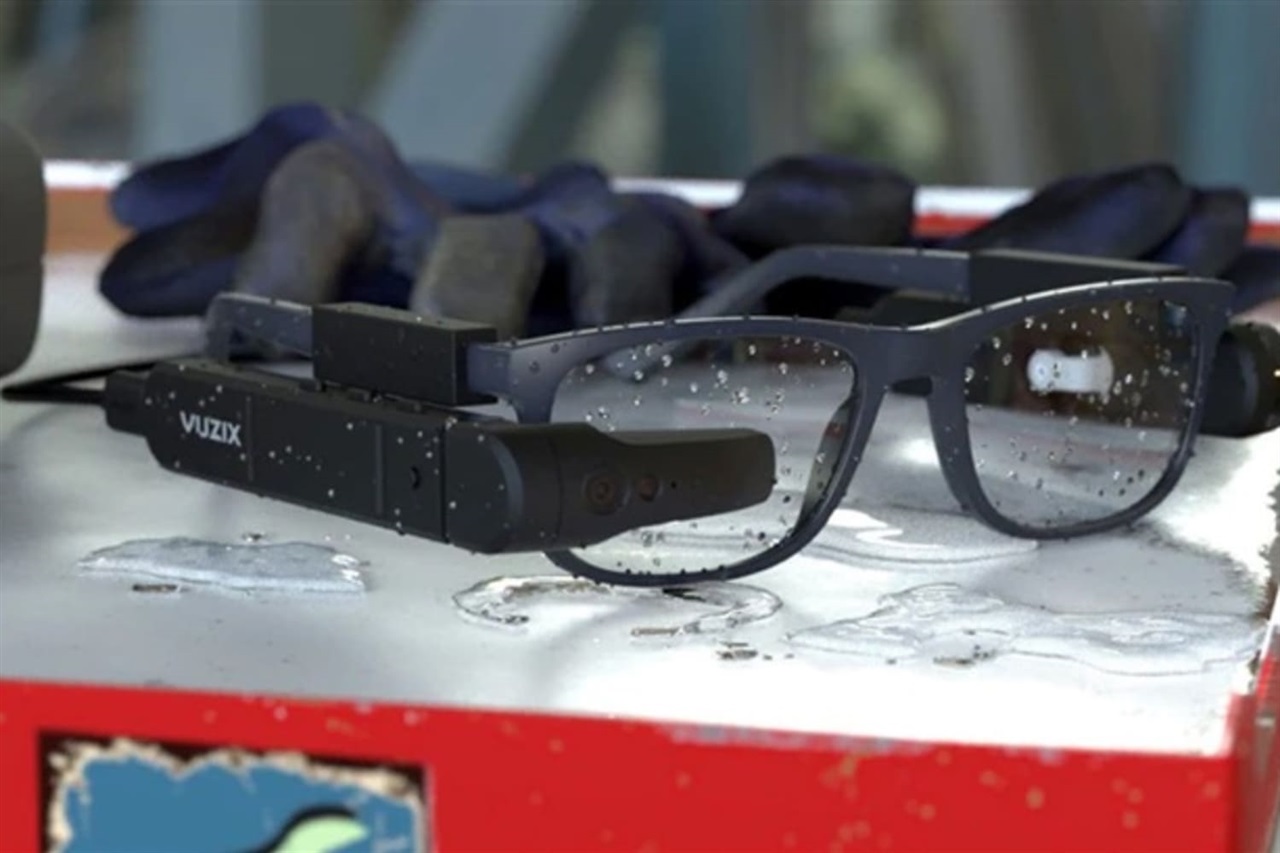
A decade ago, smart glasses were hailed as the next big thing. Between 2014 and 2023, Google Glass set expectations for hands‑free computing, promising to change how we work and live. The idea was bold, but the reality fell short. Early smart glasses were limited by hardware, software, and user experience challenges, which stalled mainstream adoption—especially outside tightly controlled pilot programs.
Fast forward to today, and the landscape has changed. Advances in optics, processors, battery efficiency, connectivity, and on‑device AI are unlocking what those early concepts couldn’t deliver. That shift is opening the door for newer players to make a practical impact where it matters most: the enterprise. Vuzix is positioning its smart glasses squarely at this opportunity, focusing on production lines, logistics, field service, and other industrial workflows where hands‑free access to information can drive real results.
Why smart glasses make sense for enterprise work now comes down to a few clear factors. Modern designs are lighter and more comfortable for extended wear, and the software ecosystem has matured around the actual jobs workers do—not consumer novelties. With real‑time instructions, visual overlays, and remote assistance, teams can complete complex tasks faster and with fewer errors. In manufacturing, that means guided assembly, digital quality checks, and instant collaboration with experts, even across sites. In warehouses, it can translate to more accurate picks, streamlined inventory management, and less time spent juggling handheld devices.
For production leaders, the potential gains touch every stage of operations. Hands‑free workflows help reduce downtime, improve first‑time fix rates, and shorten training cycles by turning step‑by‑step visual guidance into a standard part of the job. Documentation becomes simpler when workers can capture photos or video as they go, reinforcing compliance and traceability without interrupting the task at hand. And because instructions appear in the user’s line of sight, safety and situational awareness can improve compared to looking down at tablets or binders.
Smart glasses are also becoming easier to deploy at scale. Enterprise software now integrates more smoothly with existing systems, while device management, security, and access controls are better aligned with IT requirements. This makes it more feasible for manufacturers to run targeted pilots and then scale up to multiple facilities without building custom infrastructure from scratch.
If you’re considering a rollout, start small and focused. Choose high‑impact workflows with measurable outcomes—think complex assembly steps, visual inspections, or remote troubleshooting. Co‑design with frontline workers to ensure the experience is comfortable, intuitive, and actually helpful. Plan for change management and training, and establish clear metrics like cycle time, error rates, or training hours saved. Address privacy and safety early with transparent policies and appropriate safeguards.
The takeaway is simple: the promise of smart glasses didn’t disappear; it matured. With technology catching up to the vision, enterprise‑grade wearables are ready to make a concrete difference on the factory floor and in the field. Companies like Vuzix are aiming to convert that promise into productivity—turning hands‑free, heads‑up computing into a practical advantage for modern production methods. Businesses that move now stand to gain a measurable edge in efficiency, quality, and agility.