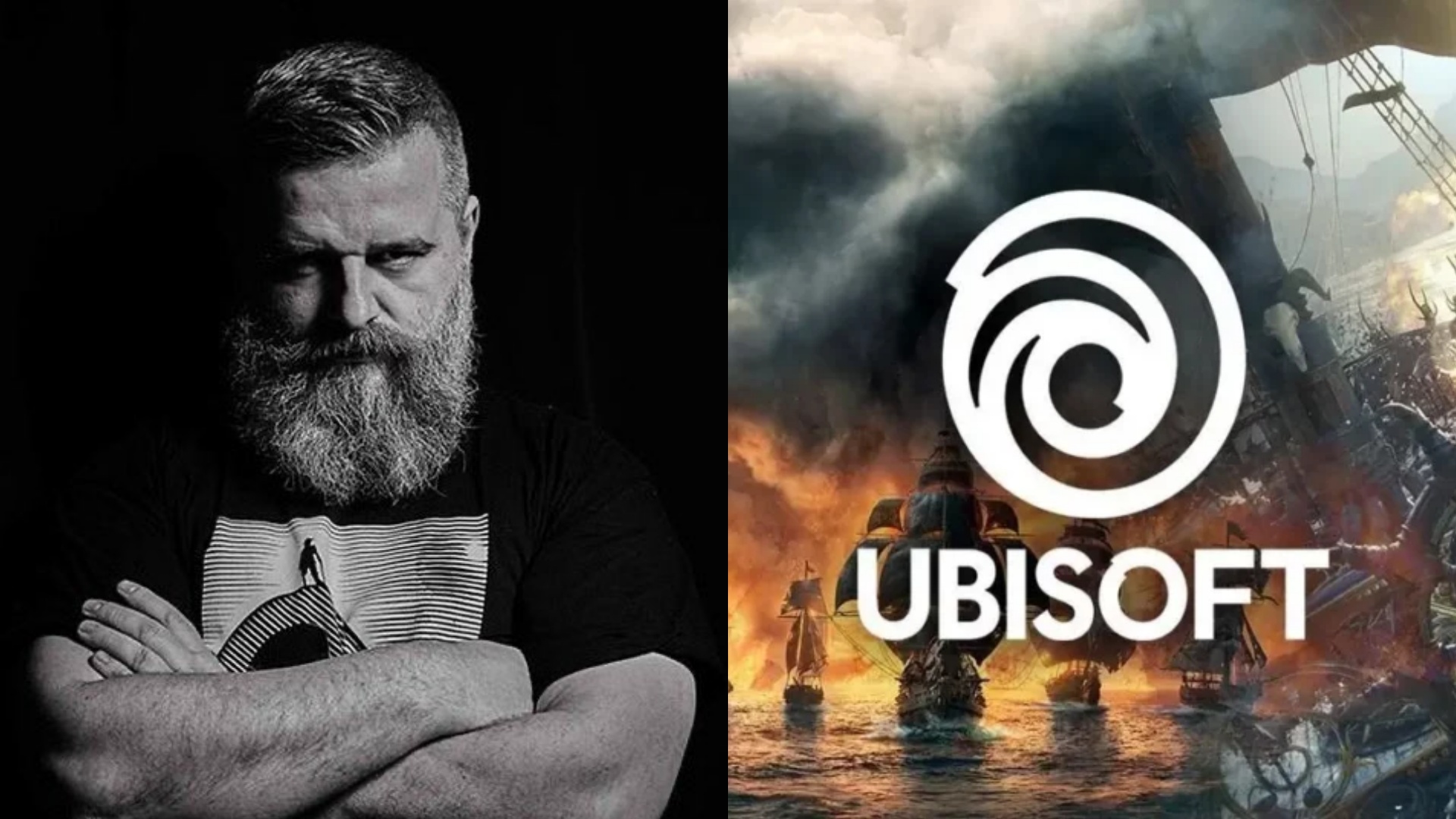
Daniel Vávra, the outspoken creator of Kingdom Come: Deliverance and co-founder of Warhorse Studios, has once again drawn attention across the gaming community after taking aim at Ubisoft’s management and development structure.
His comments came after Ubisoft’s latest financial update and another round of layoffs, which reignited discussion about the company’s size, output, and internal efficiency. Despite recent job cuts, Ubisoft reportedly still employs around 16,000 people. Vávra compared that figure to Warhorse Studios, which operates with roughly 250 employees.
The comparison quickly became the center of debate. In Vávra’s view, a company with Ubisoft’s massive workforce should theoretically have enough talent and resources to support many large-scale projects at once. He suggested that, based on sheer employee numbers, Ubisoft has the manpower equivalent of dozens of studios the size of Warhorse.
Vávra argued that this kind of scale should allow Ubisoft to develop multiple games comparable in ambition to Kingdom Come: Deliverance II on regular multi-year cycles. His point was not simply about headcount, but about how effectively those teams are managed. The implication was clear: large AAA publishers may be suffering from bureaucracy, slow decision-making, and inefficient production pipelines.
The reaction from players has been mixed. Some fans praised Vávra for saying what many gamers have been thinking for years: that modern AAA game development has become too expensive, too bloated, and too focused on corporate structure rather than creativity. Supporters believe smaller studios can often move faster, take bigger creative risks, and deliver more focused experiences.
Others pushed back, accusing Vávra of oversimplifying the challenges of running a global publisher. Ubisoft’s studios work across many franchises, platforms, live-service projects, technology pipelines, marketing demands, and regional offices. Critics argue that comparing a single focused studio to a multinational publisher does not fully reflect the complexity of AAA production.
Some also pointed to controversies surrounding Kingdom Come: Deliverance II, particularly debates over historical accuracy and creative direction. A portion of the audience believes Warhorse Studios has faced its own criticism and is not completely separate from the pressures and compromises that affect the wider games industry.
Vávra is no stranger to controversy. Over the years, he has built a reputation as one of the more direct and provocative voices in game development, often commenting on industry trends, creative freedom, and the state of major publishers. His latest remarks fit that pattern and have once again placed him at the center of a larger conversation about where big-budget gaming is headed.
The timing is also notable because Vávra has recently spoken about stepping away from daily game development duties to focus on a film adaptation of the Kingdom Come series. Even so, his influence in gaming remains strong, especially among players who see Warhorse Studios as an example of how a smaller team can create a deep, ambitious role-playing game without the scale of a massive publisher.
The debate around his comments highlights a growing concern in the gaming world: are major publishers becoming too large and bureaucratic to work efficiently? As development costs rise and layoffs continue across the industry, many players are questioning whether bigger teams always lead to better games.
For Ubisoft, the criticism adds to ongoing scrutiny over its business strategy, release schedule, and ability to manage its many internal studios. For Warhorse Studios and similar developers, the discussion reinforces the appeal of smaller, focused teams that can build strong creative identities and connect directly with their audiences.
Whether players agree with Vávra or not, his comments have touched on one of the most important questions in modern gaming: does the future of great game development belong to massive AAA publishers, or to leaner studios with clearer creative direction?