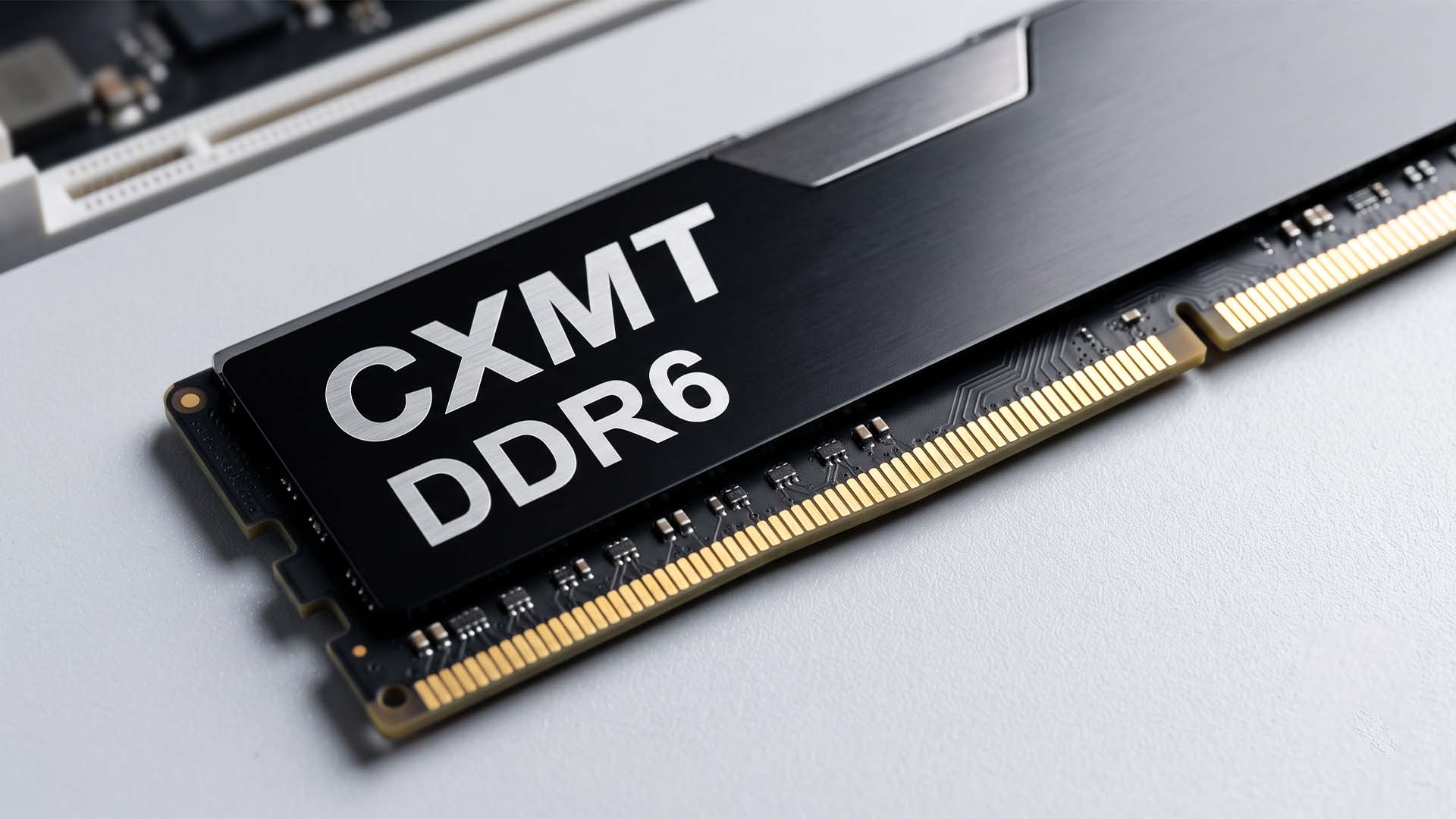
CXMT Accelerates DDR6 RAM Plans as New Manufacturing Method Takes Shape
DDR6 RAM is not expected to reach commercial availability until around 2028 or 2029, but the race to prepare for the next major memory standard is already underway. China’s ChangXin Memory Technologies, better known as CXMT, is moving early to strengthen its position in the global DRAM market before industry giants such as Samsung and SK hynix fully scale their DDR6 strategies.
The shift from DDR5 to DDR6 will not be a simple upgrade. DDR6 memory is expected to use a more advanced multi-layer design, which means manufacturers will need to rethink parts of the production process. For CXMT, the challenge is clear: improve manufacturing capability without hurting yields or raising costs too aggressively.
To support this transition, CXMT has reportedly added Haesung DS to its supply chain. Haesung DS is known for producing package substrates, a critical component in memory manufacturing. The company is said to have passed CXMT’s quality qualification tests for DDR5 package substrates in the first quarter of 2026, putting it in a stronger position to support future DDR6 development.
Current DDR4 and DDR5 memory production typically relies on a cost-effective Reel-to-Reel process. This method works well for simpler single-layer or low-layer substrate designs and has helped keep production efficient. However, DDR6 introduces new complexity. As the number of circuit layers increases, the traditional process can become less efficient and less profitable.
That is where a panel-based manufacturing method could become important. Haesung DS is reportedly preparing to use this newer approach for DDR6 RAM production. The panel method is better suited for multi-layer designs and may help manufacturers maintain stable yields while keeping production lines more efficient.
CXMT’s current DDR5 technology may still trail behind the leading products from SK hynix at similar speeds, but the company appears determined to close the gap in the next generation. By investing early in DDR6-related production technology, CXMT is positioning itself as a serious competitor in the future memory market.
The timing is also important. The global DRAM market has been under pressure due to supply shortages, and many companies are looking for additional suppliers to reduce risk. CXMT’s rise gives customers another option, especially for businesses that want to diversify their memory supply chain.
Apple has also reportedly been exploring a potential partnership with CXMT and is said to be testing the company’s memory chips. If that relationship moves forward, it could give CXMT a major boost and increase the pressure to speed up its DDR6 roadmap.
For now, there is no confirmed timeline for when CXMT’s DDR6 RAM will enter mass production. Still, the company’s supply chain moves suggest that it wants to be ready well before DDR6 becomes mainstream. With Samsung and SK hynix already working on next-generation memory, CXMT’s progress could make the DDR6 race far more competitive than expected.
As DDR6 RAM development advances, the memory industry may be heading toward one of its most important transitions in years. Faster speeds, higher bandwidth, and more complex packaging will define the next era of DRAM, and CXMT is clearly trying to secure a meaningful role before the market fully takes off.