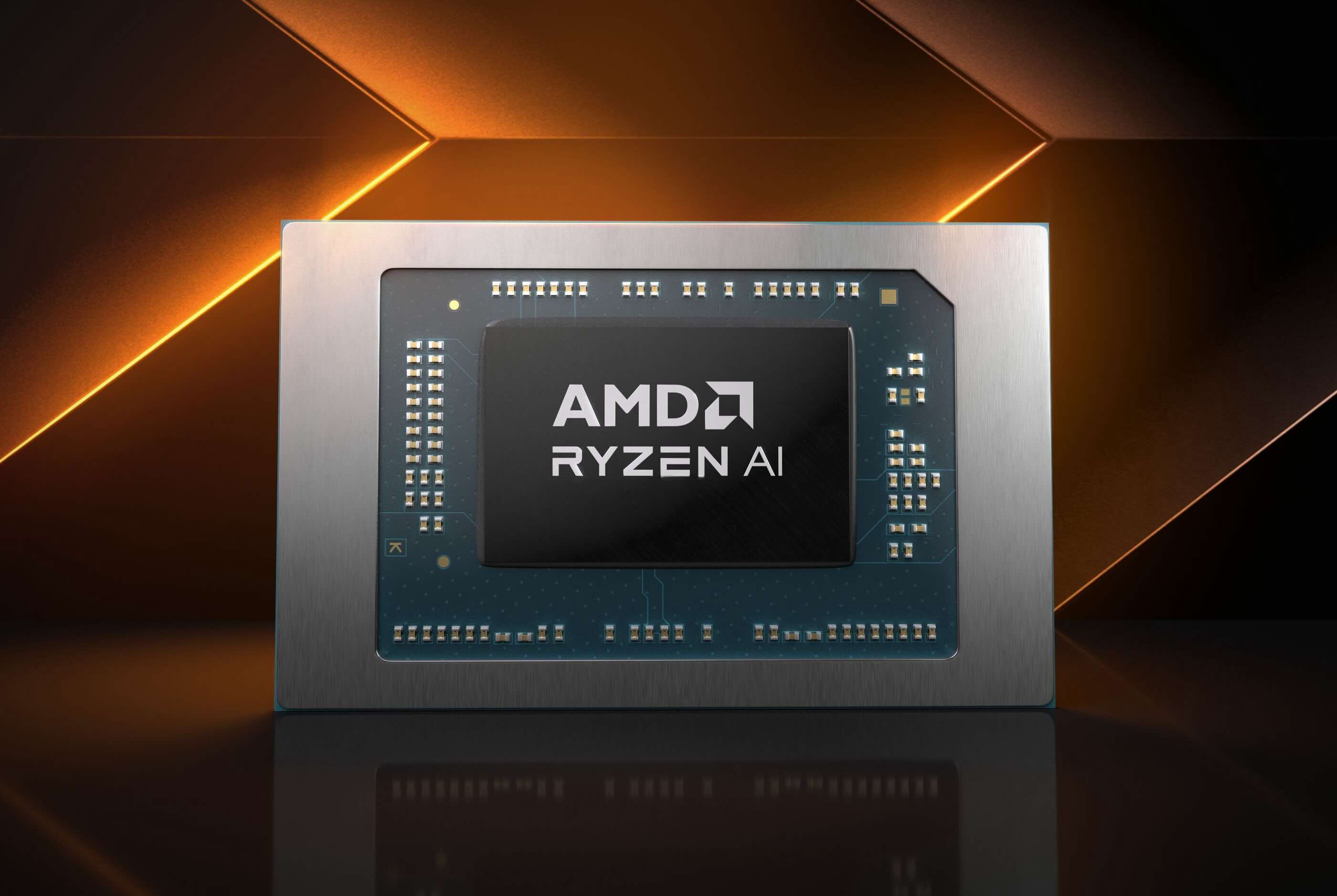
A new Geekbench 6 result has surfaced for AMD’s upcoming Zen 6-powered “Medusa Point” APU, giving an early look at what the company’s next-generation mobile processor lineup could bring when it arrives. Even though this appears to be an engineering sample running at relatively low clock speeds, the results suggest AMD may be preparing a meaningful performance jump over its current Zen 5-based chips.
The leaked processor is listed as a 10-core APU, reportedly using a hybrid configuration made up of 4 high-performance Zen 6 cores and 6 efficiency-focused Zen 6c cores. This setup points to AMD continuing its strategy of combining stronger cores with compact efficiency cores to improve both performance and power management in laptops and portable systems.
What makes this leak especially interesting is the clock speed. The chip reportedly has a base frequency of 2.0 GHz, while the maximum clock speed shown in the listing reaches only 2,152 MHz. For a next-generation processor, that is still quite low, which strongly suggests this is not final silicon. Despite that, the benchmark numbers are already impressive.
According to the Geekbench 6 listing, the AMD Zen 6 “Medusa Point” engineering sample scored 3,329 points in single-core performance and 16,555 points in multi-core performance. Compared with earlier leaked results for the same chip identifier, this new score appears to show around a 5% improvement in single-core performance and roughly a 10% gain in multi-core performance.
That kind of improvement is notable because engineering samples often improve significantly before launch. Firmware updates, higher final clock speeds, platform tuning, and better power management can all help unlock additional performance. If AMD continues refining the chip before release, the final version of Medusa Point could deliver even stronger benchmark numbers.
For comparison, AMD’s current Ryzen AI 9 465 “Gorgon Point” APU, which is based on the Zen 5 architecture and also features a 10-core layout, typically scores around 2,900 points in single-core and about 14,600 points in multi-core Geekbench 6 testing. Based on the leaked result, the Zen 6 Medusa Point sample is already ahead, despite running at modest clock speeds.
Apple’s 10-core M5 chip still appears to hold an advantage in multi-core testing, with scores reportedly reaching around 17,200 points. However, the gap may narrow as AMD moves closer to final production hardware. Since the leaked Medusa Point APU is not yet running at what would likely be its retail performance level, it may still have room to challenge higher-end competitors more closely.
The leak also reinforces expectations that AMD’s Zen 6 architecture will focus on both performance efficiency and scalable multi-core gains. With laptops increasingly relying on AI workloads, integrated graphics performance, and long battery life, the next generation of APUs will need to balance raw speed with smarter power use. Medusa Point appears to be designed with that future in mind.
AMD’s upcoming Zen 6 mobile processors are expected to launch sometime next year. While official specifications, final clock speeds, GPU details, and power targets have not yet been confirmed, this latest Geekbench result offers an encouraging preview. If these early numbers are accurate, Medusa Point could become one of AMD’s most important laptop chip upgrades in years.
For now, the leaked 10-core Zen 6 APU shows that AMD is making steady progress. With higher clocks and final optimizations still likely to come, Medusa Point may deliver a strong generational leap over Zen 5 and become a serious contender in the next wave of high-performance AI-focused laptops.