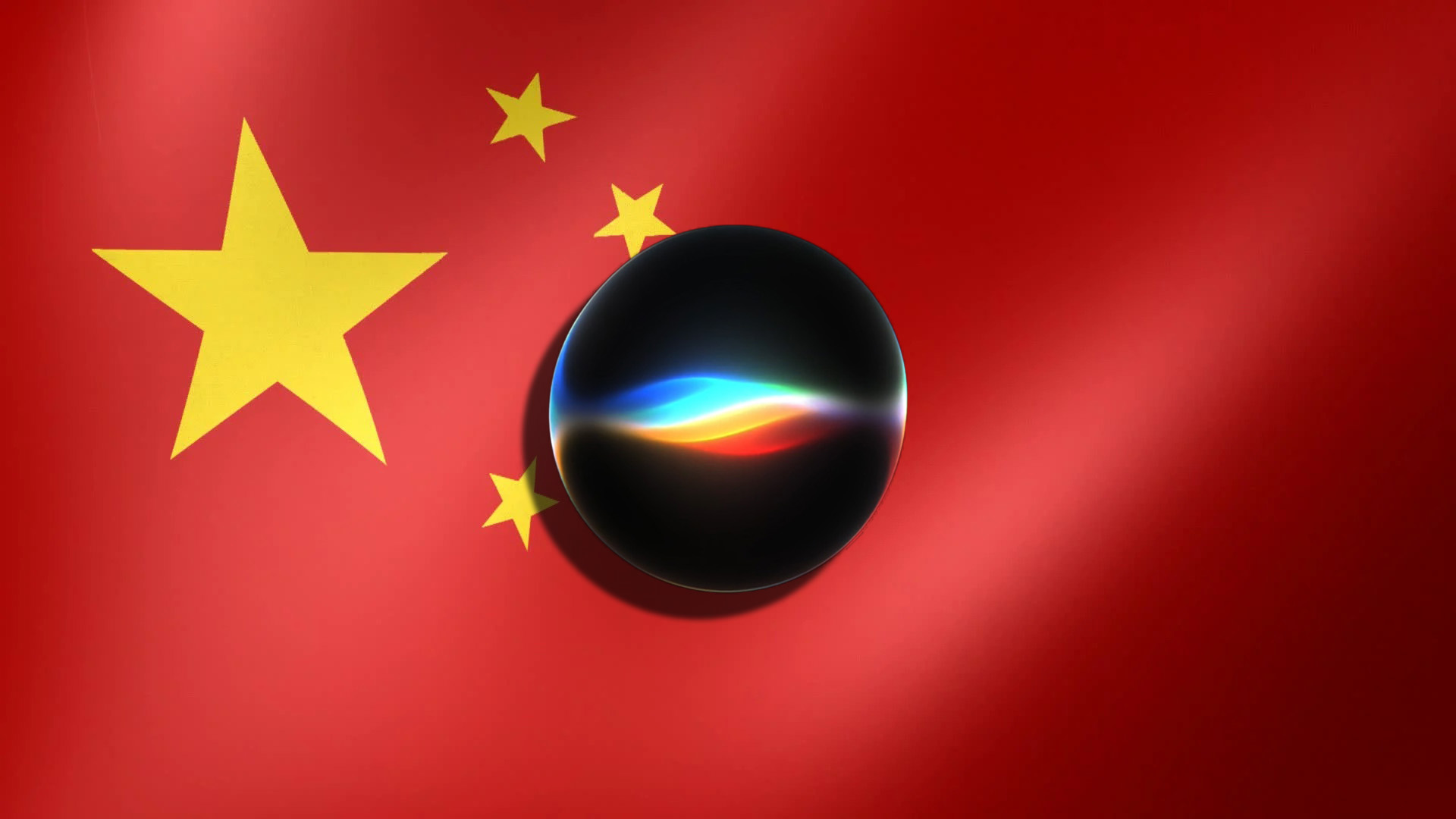
Apple Reportedly Deepens China AI Push With Alibaba Qwen Team as It Eyes Local Memory Suppliers
Apple appears to be accelerating its China-focused strategy on two major fronts: artificial intelligence and hardware supply chain resilience. The company is reportedly strengthening its relationship with Alibaba’s Qwen AI ecosystem while also exploring ways to source memory components from Chinese suppliers for devices sold in the country.
A new claim from AI commentator and former Microsoft executive Robert Scoble suggests that Apple has hired the original Alibaba team responsible for developing an open-source version of Qwen. The move has not been independently confirmed, but it would fit neatly with Apple’s broader efforts to localize Apple Intelligence for Chinese users.
Apple has already been moving closer to Alibaba as it prepares to bring AI features to its devices in China. Because global AI services face regulatory and availability challenges in the Chinese market, Apple needs a local partner that can power advanced generative AI features while meeting domestic requirements. Alibaba’s Qwen family of models appears to be one of the key solutions.
The integration of Qwen into Apple Intelligence is expected to work in a way similar to how Apple currently offers access to third-party AI models in other regions. Instead of forcing users to switch between separate apps or services, Qwen’s capabilities could be available directly through Apple’s system-level AI interface.
That means Chinese iPhone, iPad, and Mac users may eventually be able to use Qwen-powered features for tasks such as text generation, image understanding, image creation, summarization, and contextual assistance inside Apple’s own software experience.
This is especially important for the future of Siri. Apple’s upgraded Siri is designed to be much more aware, personal, and useful than the current version. It can understand what is happening on screen, respond based on personal context, and perform multi-step actions through natural voice commands.
For example, a user could ask Siri about an upcoming concert mentioned in a message and then tell it to add the date to Reminders. Siri could also identify what is shown in a photo, connect that image to relevant personal details, and help with follow-up actions such as finding directions or contacting a friend.
If Apple has indeed hired the original Qwen open-source team, it may be trying to improve the quality, speed, and localization of Siri’s AI features in China. A team with deep knowledge of Qwen’s architecture could help Apple build smoother integration, optimize performance on Apple devices, and better adapt the assistant for Chinese language and cultural context.
At the same time, Apple is reportedly looking at Chinese memory suppliers as part of a wider supply chain strategy. The company has been linked to potential efforts to buy DRAM from CXMT and NAND flash from YMTC, specifically for products sold in China.
This would mark a notable shift for Apple, which has traditionally relied on major global memory suppliers outside mainland China. Using local memory suppliers could help Apple reduce costs, improve supply flexibility, and align more closely with China’s domestic technology ecosystem.
However, the move is politically sensitive. CXMT has reportedly faced scrutiny in Washington over alleged ties to China’s military sector, while YMTC has also been a controversial name in the semiconductor supply chain. Apple is said to be working carefully to avoid regulatory or political backlash if it uses these components in China-market devices.
The combined AI and memory developments point to a clear direction: Apple wants to remain deeply competitive in China by building a more localized version of its product ecosystem. That includes AI models that comply with Chinese rules and hardware supply chains that can better support local market needs.
Alibaba, meanwhile, is preparing to launch Qwen3.8, a next-generation AI model that is expected to be released as an open-weight model. The model is claimed to have 2.4 trillion parameters, positioning it as one of the most ambitious AI releases in the market if those figures and performance claims hold up.
Qwen3.8 is expected to compete with other advanced frontier AI models and could significantly strengthen Alibaba’s role in the global AI race. If Apple’s China AI strategy becomes increasingly tied to Qwen, the launch of more powerful Qwen models could directly improve the capabilities available to Apple users in the region.
The bigger picture is that open-source and open-weight AI models are becoming harder for major technology companies to ignore. They offer flexibility, regional customization, and potential cost advantages at a time when AI is becoming central to smartphones, PCs, apps, and cloud services.
For Apple, the stakes are especially high. The company needs Apple Intelligence to feel seamless and powerful across every major market, including China. Partnering with Alibaba and possibly hiring Qwen talent could give Apple a stronger foundation for Chinese-language AI features, while local memory sourcing could help protect its hardware business in the same market.
Nothing is official yet regarding the reported hiring of Alibaba’s original Qwen team. Still, the pattern is becoming clear: Apple is moving quickly to adapt its AI and supply chain strategy for China, and Alibaba’s Qwen may play a major role in the next chapter of Siri and Apple Intelligence.


