Alibaba Strengthens Full-Stack AI Strategy as Apsara Conference 2026 Opens in Hangzhou
Alibaba Group Holding Ltd. is accelerating its push into artificial intelligence, signaling a stronger commitment to building and deploying AI technologies across the entire digital stack. The company reinforced this strategy during the opening of the 2026 Apsara Conference, held on September 22 at the Hangzhou International Expo Center.
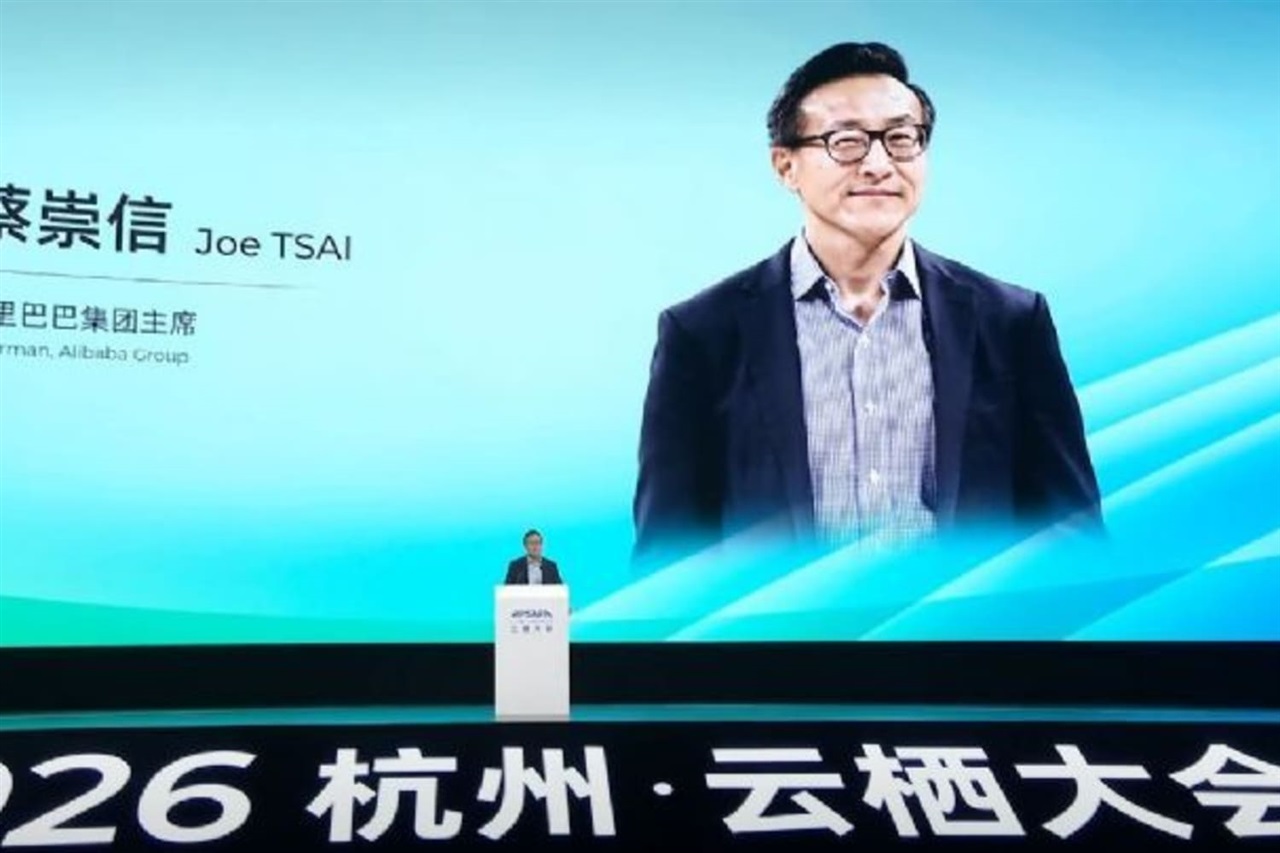
The event marked a major moment for Alibaba’s AI ambitions, with Group Chairman Joe Tsai making a notable appearance at the opening ceremony. His presence underscored the importance of artificial intelligence to Alibaba’s long-term business direction, particularly as global technology companies race to turn AI breakthroughs into practical tools, services, and infrastructure.
According to Tsai, the AI industry is entering a new stage. Rather than remaining focused mainly on frontier research and experimental development, artificial intelligence is now moving toward real-world deployment. This shift points to a future where AI is not just a cutting-edge concept, but a core technology used at scale across industries, businesses, and consumer services.
Alibaba’s full-stack AI strategy suggests a broad approach that spans cloud computing, AI infrastructure, data centers, large-scale models, development tools, and application-level services. By controlling more layers of the AI ecosystem, Alibaba aims to support faster innovation while helping enterprises adopt AI more efficiently.
The company’s cloud business is expected to play a central role in this expansion. As AI workloads require massive computing power, advanced data centers and cloud platforms are becoming essential for training models, running applications, and supporting large-scale commercial use. Alibaba’s continued investment in cloud infrastructure positions it as a key player in the growing AI economy.
The timing of the announcement is significant. Across the technology sector, companies are shifting from AI demonstrations to practical implementation. Businesses are increasingly looking for AI solutions that can improve productivity, automate workflows, enhance customer experiences, and unlock new revenue opportunities. Alibaba appears to be aligning its strategy with this demand by focusing on scalable AI services and enterprise-ready deployment.
The Apsara Conference has long served as a showcase for Alibaba’s cloud and technology roadmap. In 2026, the spotlight is clearly on artificial intelligence and its transition into everyday business use. The company’s message is that AI is no longer confined to research labs or early-stage innovation; it is becoming a foundational layer for the next generation of digital transformation.
For Alibaba, this creates an opportunity to strengthen its position in both domestic and global technology markets. By combining AI development with cloud computing and data center capabilities, the company is working to build an integrated ecosystem that can support everything from model training to real-time AI applications.
As AI adoption continues to expand, Alibaba’s full-stack strategy could become a major advantage. The company is betting that the future of artificial intelligence will belong not only to those who build powerful models, but also to those who can deliver the infrastructure, platforms, and services needed to bring AI into real-world use at scale.
The 2026 Apsara Conference makes one thing clear: Alibaba is no longer treating AI as a future possibility. It is positioning artificial intelligence as a central pillar of its growth strategy and a driving force behind the next wave of digital innovation.