RAM prices have surged in recent months, and it’s not just PC builders and server operators who are feeling it. With AI data centers consuming huge amounts of memory modules, both RAM and storage components have become more expensive across the board. Now that pressure is showing up in an unexpected place: budget smartphones.
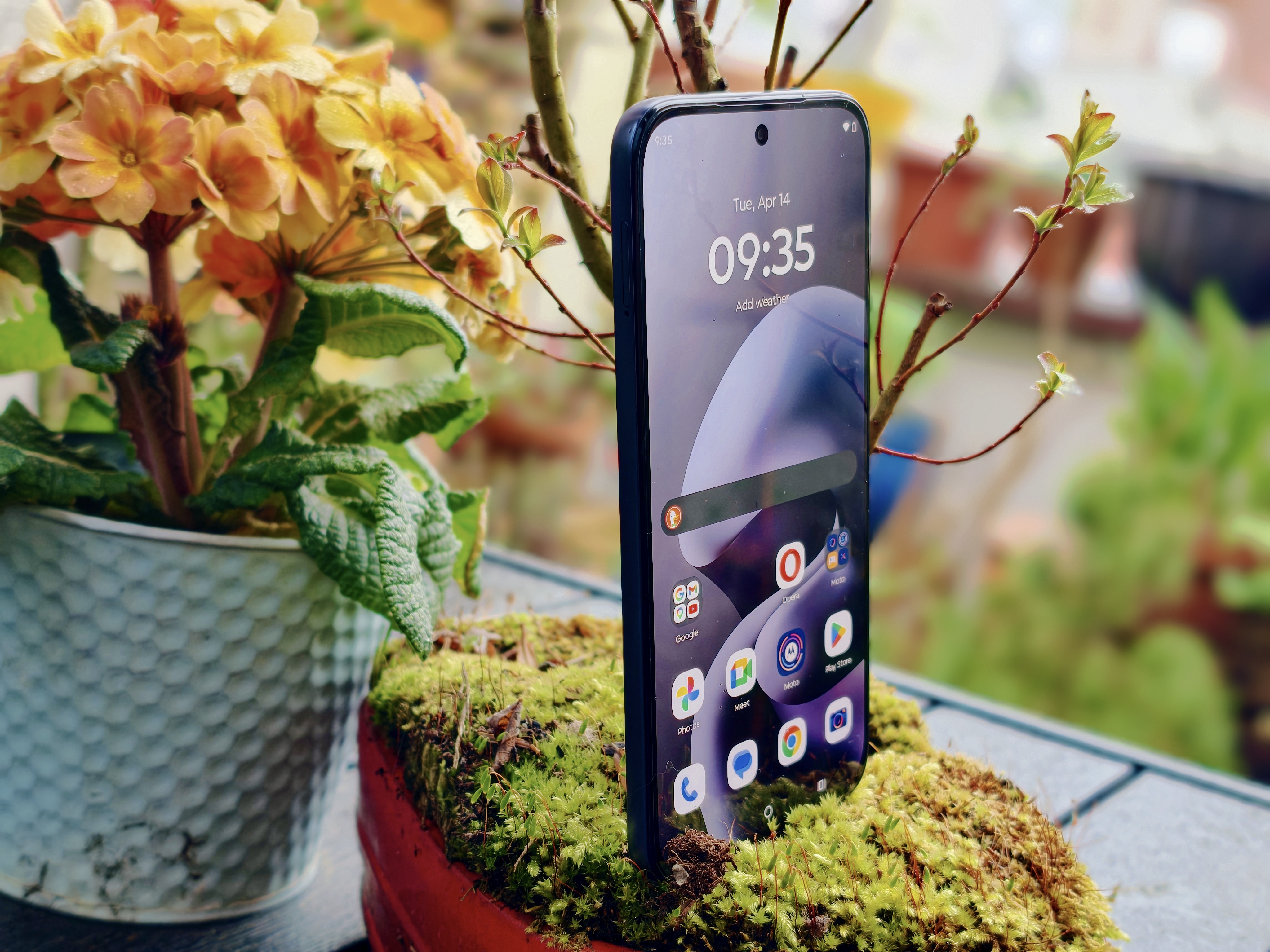
A clear example is the new Motorola Moto G67. On paper, it looks like a surprisingly premium-value phone, thanks to an exceptionally bright AMOLED screen, a modern design, and strong battery life. But one key choice drags the experience down in everyday use: it ships with only 4 GB of RAM.
A bright AMOLED display and a surprisingly premium feel
One of the Moto G67’s biggest selling points is its 6.78-inch OLED display. With a 120 Hz refresh rate, the phone feels smooth when scrolling and navigating menus, and the high maximum brightness helps it stay readable even outdoors in direct sunlight. Colors look vivid, and the overall display quality is the kind of feature that can make a budget phone feel far more expensive than it is.
Motorola also gets the basics right in build quality. The finish is clean and modern, and the leather-like material improves grip and comfort in the hand while giving the device a more upscale look than many phones in the same price range.
The RAM problem: 4 GB that you’ll actually notice
Where the Moto G67 stumbles is memory. Instead of the 8 GB many people now expect even in affordable Android phones, Motorola has gone with just 4 GB of RAM. In real-world use, that decision shows up quickly—especially if you multitask or use heavier apps.
With limited RAM, apps are more likely to refresh when you switch back to them. Background apps don’t stay active as reliably, and moving between a browser, messaging apps, maps, and social media can feel less seamless than it should. It’s the kind of limitation that doesn’t always appear on a spec sheet as a big warning sign, but it can significantly reduce daily comfort.
Better in some ways than before, but a step back in memory
Compared with older models like the Moto G64 (2024), the Moto G67 shows real improvement where it counts for many buyers: the screen and battery experience take a noticeable step forward. But the RAM configuration feels like a backwards move. While the predecessor offered configurations ranging from 6 GB to 12 GB of RAM, the Moto G67’s 4 GB can feel restrictive by comparison, especially as Android apps continue to grow more demanding.
Camera performance stays in the “good enough” category—solid for everyday shots, without standing out as a highlight. On the software side, Motorola continues to deliver a clean, familiar interface that’s close to stock Android, which many users prefer for its simplicity and speed.
Verdict: A great screen overshadowed by a memory shortfall
The Motorola Moto G67 gets a lot right for the money: a bright 120 Hz OLED display, a comfortable design, and battery life that should satisfy most people. But the 4 GB RAM limit is hard to ignore, and it keeps the phone from feeling as smooth and capable as its other features suggest.
If you care about smooth multitasking, keeping multiple apps open, or running more demanding applications, you may want to consider alternatives with 6 GB or 8 GB of RAM. But if your priority is a bright, attractive display at a low price—and your usage is mostly basic apps, calls, messaging, and casual browsing—the Moto G67 is still worth a closer look.