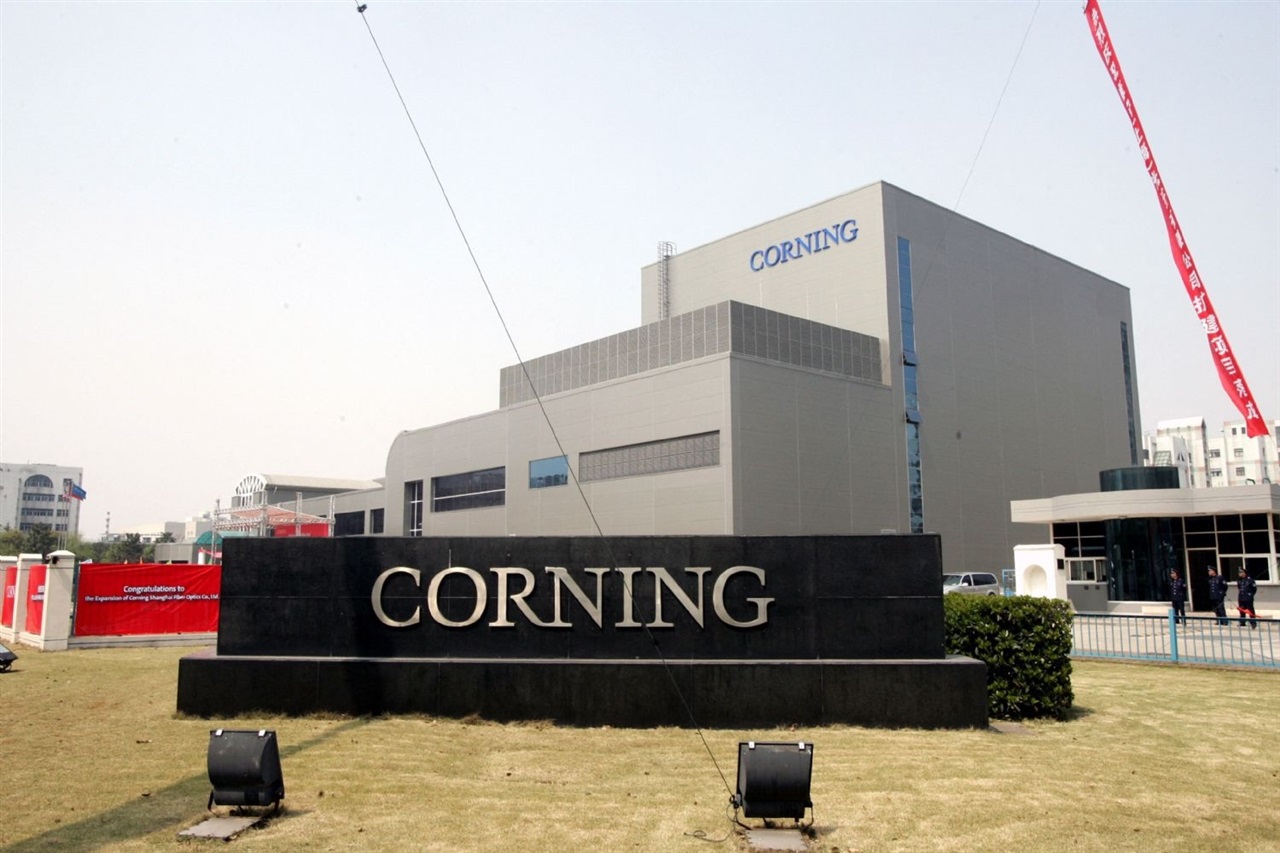
Corning Incorporated kicked off 2026 with a stronger-than-expected first quarter, reporting higher core sales and improved earnings as the company continues to reshape its business for long-term growth. The update signals momentum across key end markets while showing that Corning is pushing ahead with a broad portfolio and operating model overhaul designed to make the company more resilient, more scalable, and better positioned for demand shifts in areas like advanced materials, industrial applications, and next-generation connectivity.
In its first-quarter 2026 results, Corning pointed to growth in core sales and a meaningful lift in profitability, reflecting both healthier demand trends and the impact of internal execution. While the company acknowledged that market conditions can remain uneven across industries, the overall tone of its report emphasized progress—particularly as restructuring initiatives begin to take clearer shape and move from planning into action.
A major theme in Corning’s latest outlook is restructuring, not as a short-term cost-cutting move, but as a deeper redesign of how the company operates. Management outlined plans to expand platform-based businesses, a strategy that typically focuses on building scalable, repeatable systems that can support multiple customers, markets, and product lines more efficiently. By strengthening these platforms, Corning aims to speed up innovation, improve operational consistency, and support future growth without relying on disconnected business units working in silos.
Alongside platform expansion, Corning is also moving forward with segment realignment. This kind of structural change is often intended to better match how customers buy, how products are developed, and how revenue is generated. For investors and industry watchers, segment realignment can be an important signal: it suggests the company is trying to ensure its reporting structure reflects how the business truly runs—and that leadership is prioritizing clarity, accountability, and strategic focus across its portfolio.
Corning also highlighted upgrades to its long-term strategy, indicating that the company is not only responding to near-term performance but also refining the way it plans for multi-year growth. The combination of better first-quarter results and continued operational restructuring suggests Corning is working to strengthen its competitive position while building a more adaptable model for the years ahead.
The Q1 2026 update reinforces Corning’s broader message: the company is pursuing growth and profitability at the same time, using restructuring and portfolio refinement to support stronger execution. As the operating model evolves, the market will be watching how quickly these changes translate into sustained margin improvement, better efficiency, and continued core sales growth through 2026 and beyond.