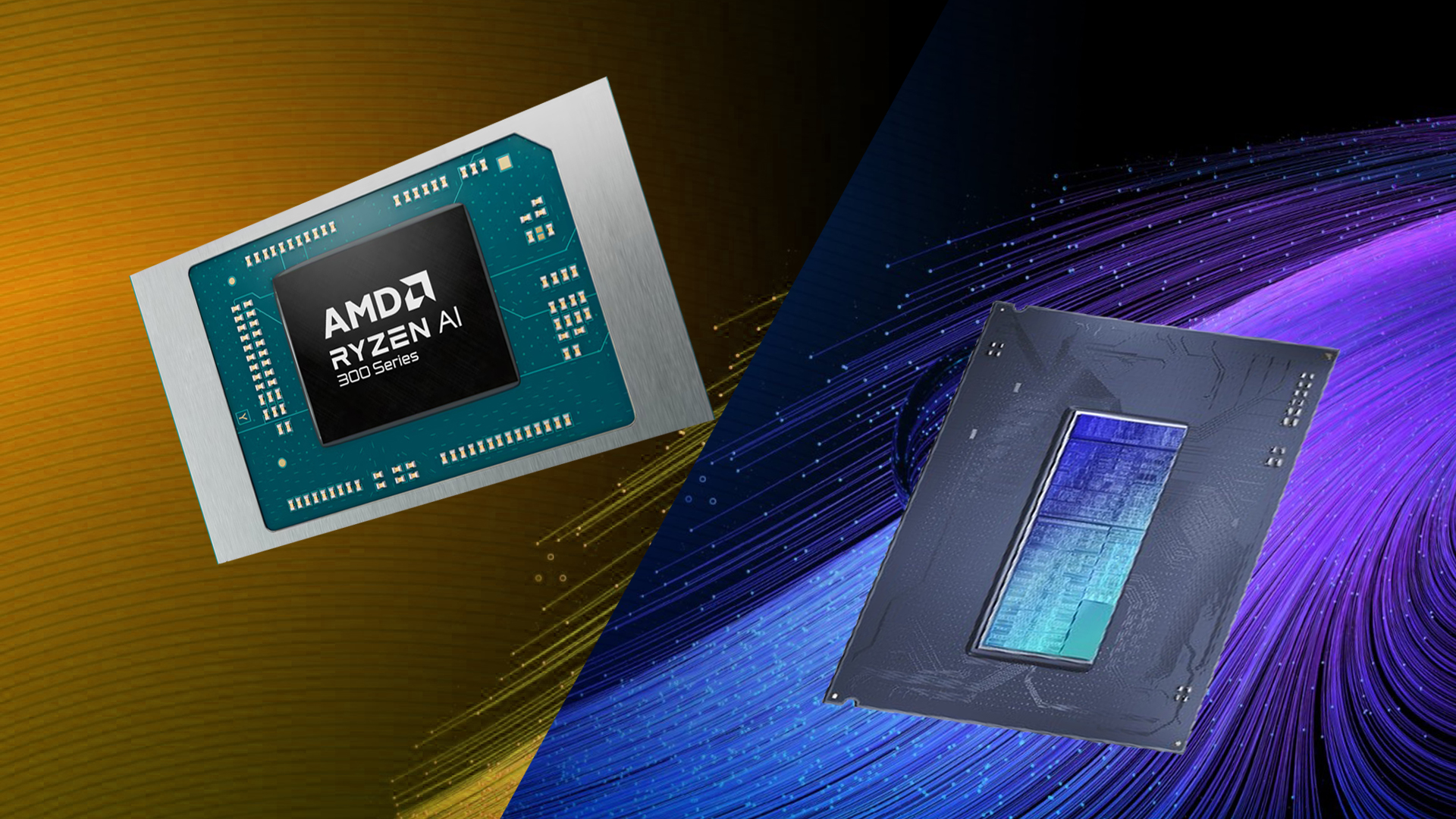
Intel’s Core Ultra 200H processors shine in performance and excel in thermal management. When tested against AMD’s Krackan Point, these entry-level processors offer competitive results, particularly the Core Ultra 5 225H.
The Arrow Lake desktop processors may not have dazzled in gaming against AMD’s counterparts, but the laptop versions, including the powerful Arrow Lake-H, are making waves. Thanks to the Battlemage architecture, their integrated graphics, featuring the Arc 140T and Arc 130T, provide commendable gaming capabilities even in entry-level models like the Core Ultra 5 225H.
This processor impressively competes with AMD’s budget and mid-range chips, such as the Krackan Point. Prominent in various laptops, including the Ideapad Pro 5, it also offers an AMD variant with the Ryzen AI 7 350. This 8-core/16-thread APU, built on Zen 5 architecture, was compared in benchmarks by tech reviewer “Geekerwan.”
In these assessments, the Core Ultra 5 225H consistently matched the Ryzen AI 7 350. It excelled in some areas, albeit marginally, with Cinebench R23 illustrating its strength at higher wattages but showing the Ryzen performing better at lower wattages. Overall, the 225H boasted a 2.5% lead over the AMD chip in performance, with both providing comparable gaming outputs. When averaged across various games, the Arc 130T stood head-to-head with the RDNA 3.5-based Radeon 860M.
Thermally, the 225H has a notable advantage, staying cooler under peak loads compared to the Ryzen AI 7 350, which hit higher temperatures. While both processors are ideal for budget laptops, insights into their multi-core capabilities would have been enlightening given the 225H’s higher core count, despite many being efficient cores.
The Core Ultra 5 225H surpasses the Ryzen AI 7 350 in thermal efficiency, positioning a 14-core/14-thread processor against an 8-core/16-thread APU. The Intel chip employs hybrid architecture without hyperthreading, contrasting with AMD’s mix of Zen 5 and Zen 5c cores, bolstered by SMT. These promising budget options are well-suited for mini PCs, affordable laptops, and gaming handhelds, though widespread adoption, particularly for game consoles, remains limited to custom Ryzen Z2 chips.