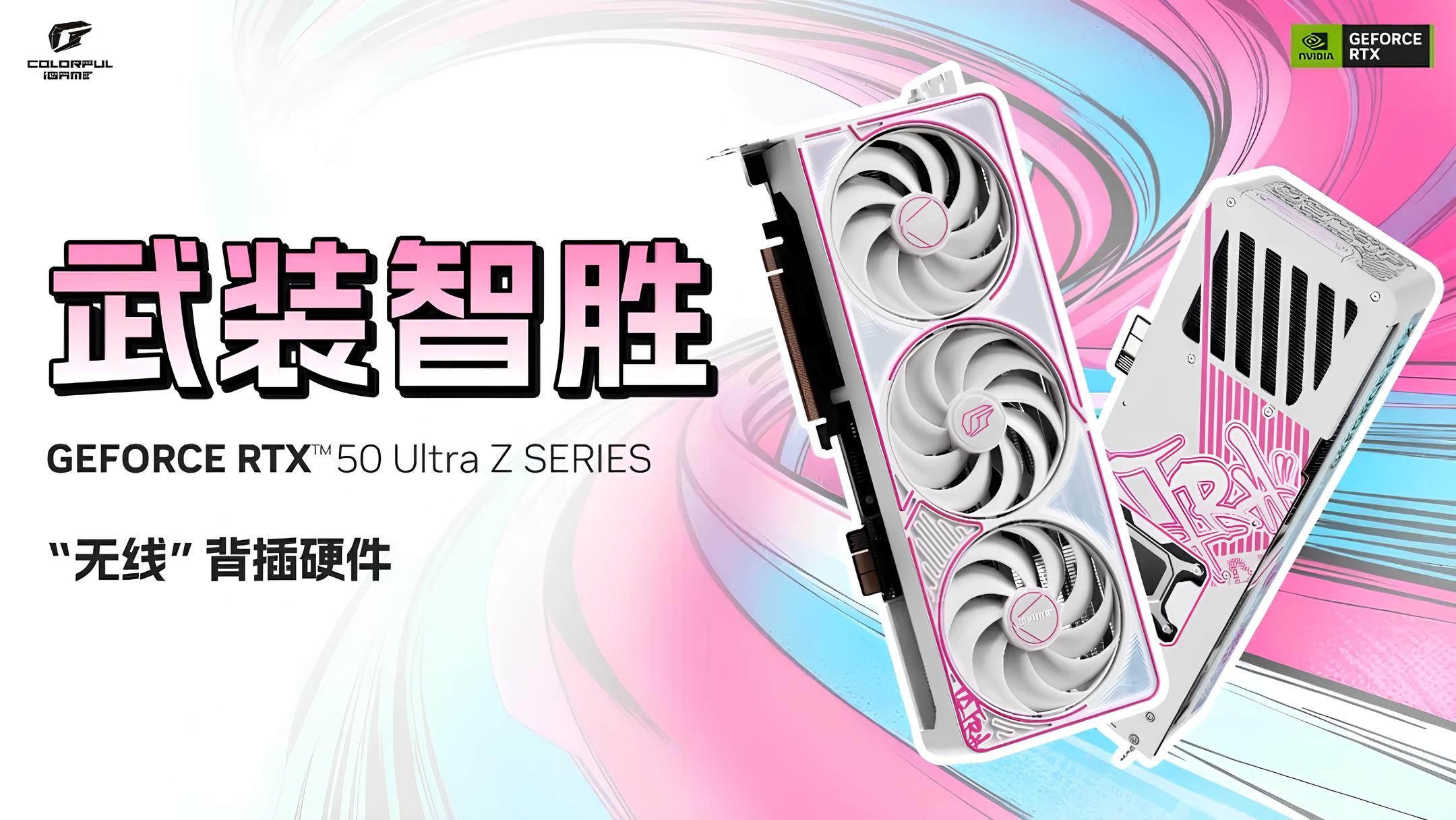
A major Chinese graphics card brand is preparing a fresh take on Nvidia’s RTX 50-series partner designs, and it’s doing something you don’t often see: adding support for a power interface that’s typically associated with a different motherboard maker.
Colorful has introduced its new RTX 50 “Ultra Z” series, starting with models based on the GeForce RTX 5060 lineup and the RTX 5070 family. The big talking point is power delivery. These Ultra Z cards are expected to include a detachable GC-HPWR connector designed to work with ASUS BTF motherboards, which route GPU power through a cleaner, cable-hiding setup.
What makes this especially interesting is that Colorful doesn’t make BTF motherboards of its own. Even so, the company is positioning the Ultra Z series as compatible with ASUS BTF boards by including the GC-HPWR interface on the graphics card side.
At the same time, Colorful appears to be taking a practical, wide-compatibility approach rather than locking these GPUs to one ecosystem. To ensure the cards still work in standard PC builds, the Ultra Z models also include traditional power connector options. In other words, buyers can use the BTF-style GC-HPWR connection when pairing the card with a compatible ASUS motherboard, or stick with regular GPU power cabling when installing the card in a conventional system.
Early listing details suggest the RTX 5070 Ti Ultra Z OC has shown up with an additional 12V-2×6 connector, giving users two different ways to supply power. There’s also talk that an RTX 5060-series Ultra Z model could potentially be powered via the GC-HPWR setup or through 8-pin PCIe power connectors, depending on the configuration.
This dual-connector strategy gives builders more flexibility and may help address ongoing concerns around high-power GPU connectors and heat management. Some users may wonder what happens if both power options are connected at once. While specifics depend on the exact board design and power routing, the idea of sharing load across interfaces could theoretically help reduce stress and improve connector temperatures. That said, reports of connector melting on newer midrange cards are already relatively uncommon compared to the most power-hungry flagship models.
For users building a clean-looking PC with an ASUS BTF motherboard, the GC-HPWR option is the obvious draw because it’s designed to deliver up to 600W and helps eliminate visible front-side GPU power cables. For everyone else, the inclusion of standard connectors means these Colorful Ultra Z cards remain practical upgrades for typical gaming PCs too—similar in concept to recent dual-interface designs seen in other cable-management-focused GPU approaches.
If these listings and early details hold true, Colorful’s RTX 5060 and RTX 5070 Ultra Z series could become an appealing choice for PC builders who want forward-looking cable management without sacrificing compatibility with mainstream components.